The Cellular Rev Limiter: A New Discovery in NAD+ regulation
Source PublicationCell
Primary AuthorsJia, Zhang, Yang et al.
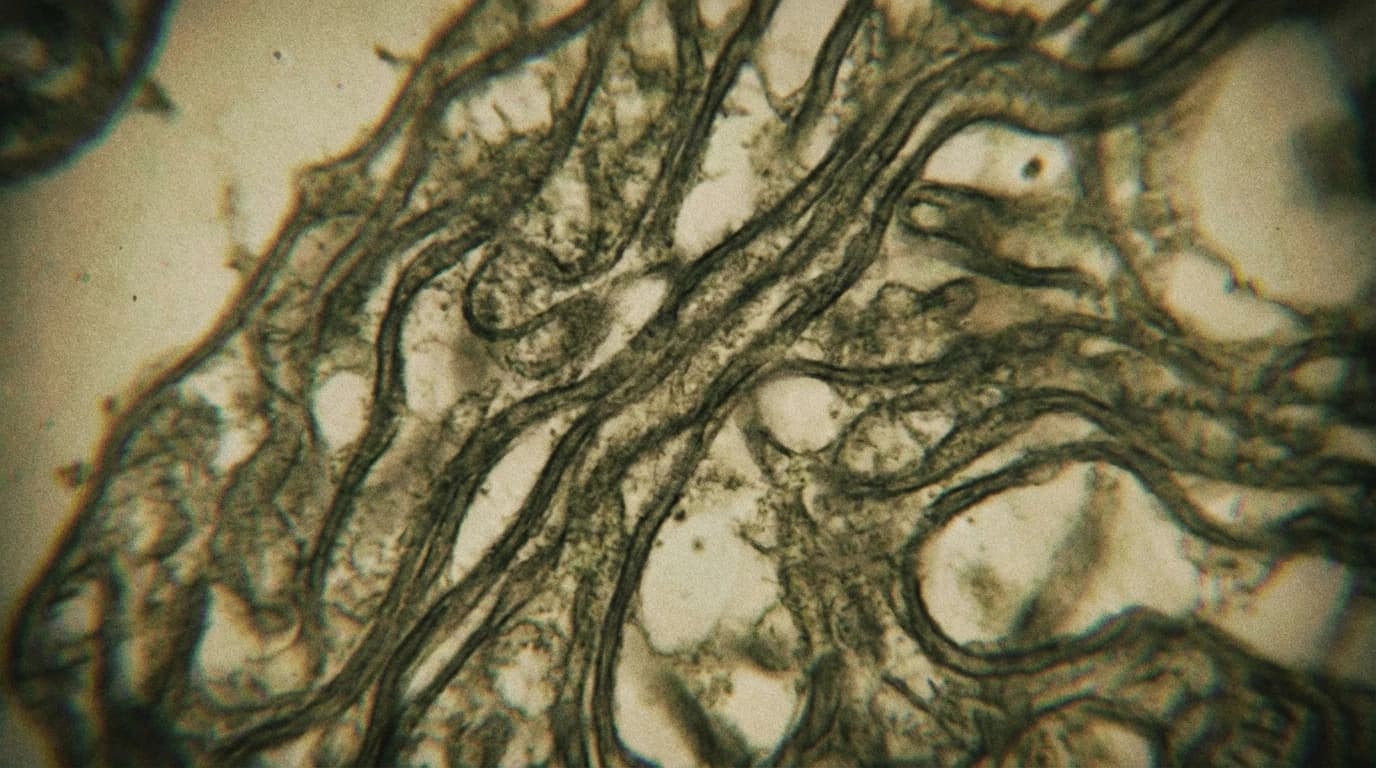
The Hook: The Cellular Rev Limiter
Imagine your cell's mitochondria are a high-performance sports car engine. In this scenario, the molecule nicotinamide adenine dinucleotide is the accelerator pedal, driving the chemical reactions that keep you alive.
If you keep the pedal floored indefinitely, the engine will eventually overheat and fail. Until now, scientists did not fully understand how the cell lifts its foot off the gas to prevent this metabolic burnout.
It turns out, life comes with a built-in safety mechanism. A newly identified protein acts as an automatic rev limiter, cutting the throttle before the engine takes damage.
The Context: The Mystery of NAD+ regulation
Proper NAD+ regulation is essential for almost every biological process. It helps convert our food into usable energy and dictates how cells organise their internal resources.
However, the exact way mitochondria break down and control this molecule has remained frustratingly unclear. Researchers knew the chemical degraded over time, but the specific off-switch hiding inside the mitochondria eluded them.
Finding this switch matters deeply. Sustained metabolic overactivation can damage cellular structures, leading to a host of biological problems.
The Discovery: Finding the Hidden Brake
Using computer-based screening, researchers hunted for proteins capable of binding to this vital molecule. They found a surprising candidate called SELENOO, or SelO for short.
The team observed that SelO acts exactly like that automatic rev limiter. It chops the molecule into two smaller pieces, NMN and AMP, effectively lifting the foot off the accelerator.
To execute this, SelO uses manganese ions and a highly specific chemical tail containing selenocysteine. The researchers measured that this mechanism kicks in specifically when the mitochondrial pH rises.
A higher pH is a direct signal that the cellular engine is running hot. By sensing this environmental change, SelO steps in to protect the system from burning out.
The Impact: What This Means for Metabolic Health
This discovery provides a clear mechanical explanation for how mitochondria protect themselves. The study measured how SelO directly interacts with enzymes responsible for fat utilisation.
Because this exact process exists in both bacteria and mammalian cells, it suggests a deeply ancient survival mechanism. It shows how life learned to self-regulate energy production billions of years ago.
Future research may explore whether tweaking this pathway could help treat conditions where cellular energy goes awry. Potential areas of interest include:
- Metabolic disorders involving abnormal fat processing
- Conditions linked to severe mitochondrial dysfunction
- Cellular damage caused by chronic metabolic overactivation