The Biology of Exercise and Depression: How Running Calms Your Brain's Bouncers
Source PublicationNeuropharmacology
Primary AuthorsWu, Liu, Xiao et al.
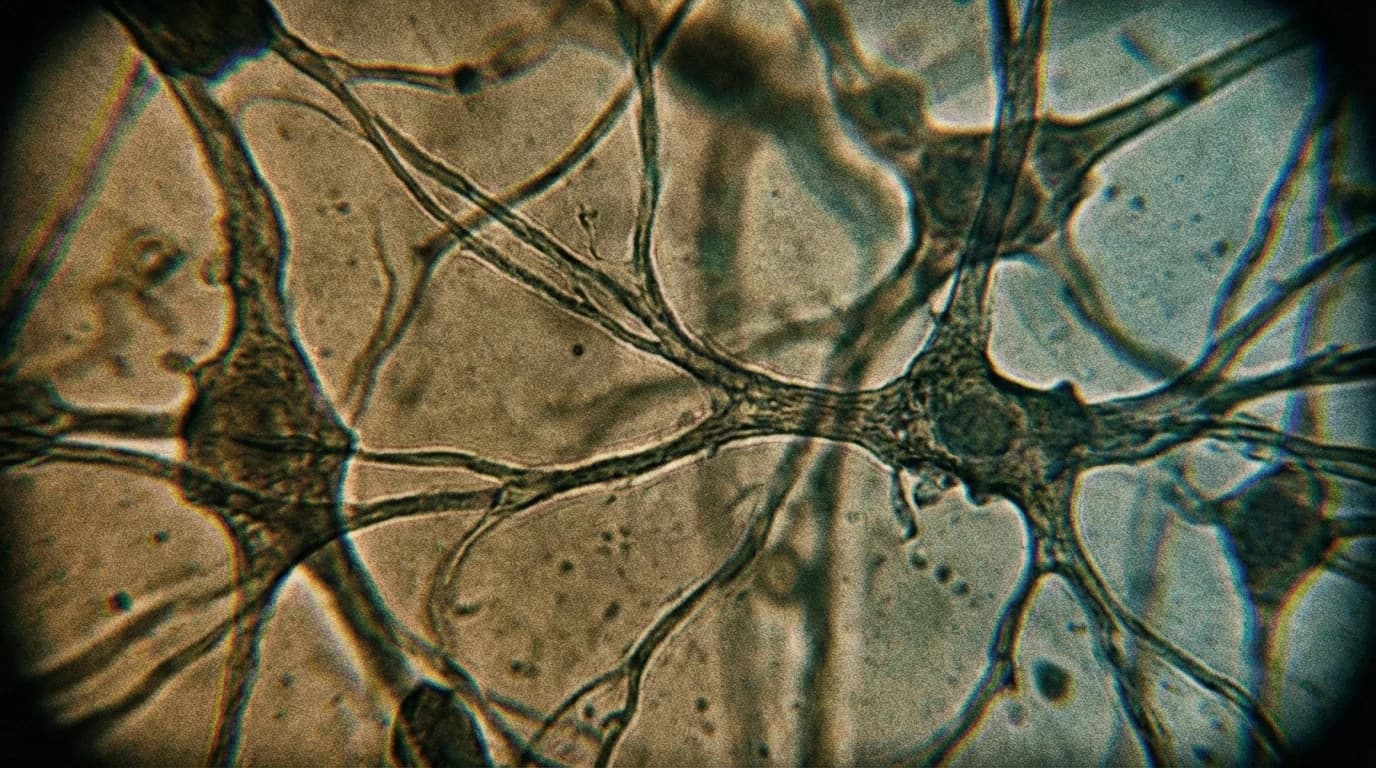
The Hook: Brain Bouncers and VIP Synapses
Imagine your brain's medial prefrontal cortex is an exclusive nightclub. The excitatory synapses—the connections between your neurons—are the VIP guests keeping the party alive.
Chronic stress acts like a terrible DJ who ruins the vibe. This prompts the club's bouncers, which are non-neuronal cells called microglia and astrocytes, to aggressively throw the VIP guests out onto the street.
When those connections disappear, mood plummets. But a recent study on rats suggests that going for a run acts like the club owner stepping in, calming the bouncers down, and letting the guests back inside.
The Context: The Physical Roots of Exercise and Depression
We have known for decades that physical activity boosts mood. The link between exercise and depression is one of the most reliable findings in mental health research.
However, the exact biological mechanics remain tricky to pin down. Scientists know that depression shrinks certain parts of the brain and reduces the number of active synapses.
Researchers wanted to know exactly how physical activity stops this structural decay. They suspected the brain's support cells, the microglia and astrocytes, might be the main culprits behind the missing connections.
The Discovery: Treadmills and Brain Scans
To test this, scientists studied rats exposed to chronic, unpredictable stress. This stress model reliably mimics human depressive behaviours, such as anhedonia—a loss of interest in things they usually enjoy, like sugary water.
Half of these stressed rats were then put on a six-week treadmill running programme. Afterward, the researchers measured the volume of the rats' brain regions and counted the microscopic connections between their neurons.
They found that the stressed rats had lost significant volume in their prefrontal cortex. Their brain's bouncers—the glial cells—had changed shape and were making direct contact with synapses, likely removing them.
But the rats that ran on the treadmill showed a very different picture. The researchers measured the following changes:
- Improved mood-related behaviours, such as actively seeking out sweet water again.
- Restored brain volume, particularly in a specific subregion called the anterior cingulate cortex.
- A recovery in the number of dendritic spines, the tiny protrusions that help neurons communicate.
Most importantly, the treadmill programme reversed the aggressive behaviour of the glial cells. The brain scans showed these bouncers were no longer latching onto the synapses.
The Impact: A Cellular Shield
This study measured physical changes in rat brains, so we cannot definitively say human brains react exactly the same way. Still, it provides a highly detailed map of how physical activity protects our neural wiring.
The findings suggest that running does not just flood the brain with feel-good chemicals. It may actively protect the physical structure of the brain by keeping overly aggressive support cells in check.
Understanding this cellular defence system could eventually help scientists design better, highly targeted treatments for mood disorders. For now, it provides an excellent reminder that physical activity does more than just tire out your muscles.
Going for a jog might literally rebuild your brain from the inside out. It is a biological reset button that keeps your neural networks safe from the effects of stress.