The Atomic Musical Chairs Powering Better Pyrochlore Electrolytes
Source PublicationSpringer Science and Business Media LLC
Primary AuthorsAjayraj, Anantharaman
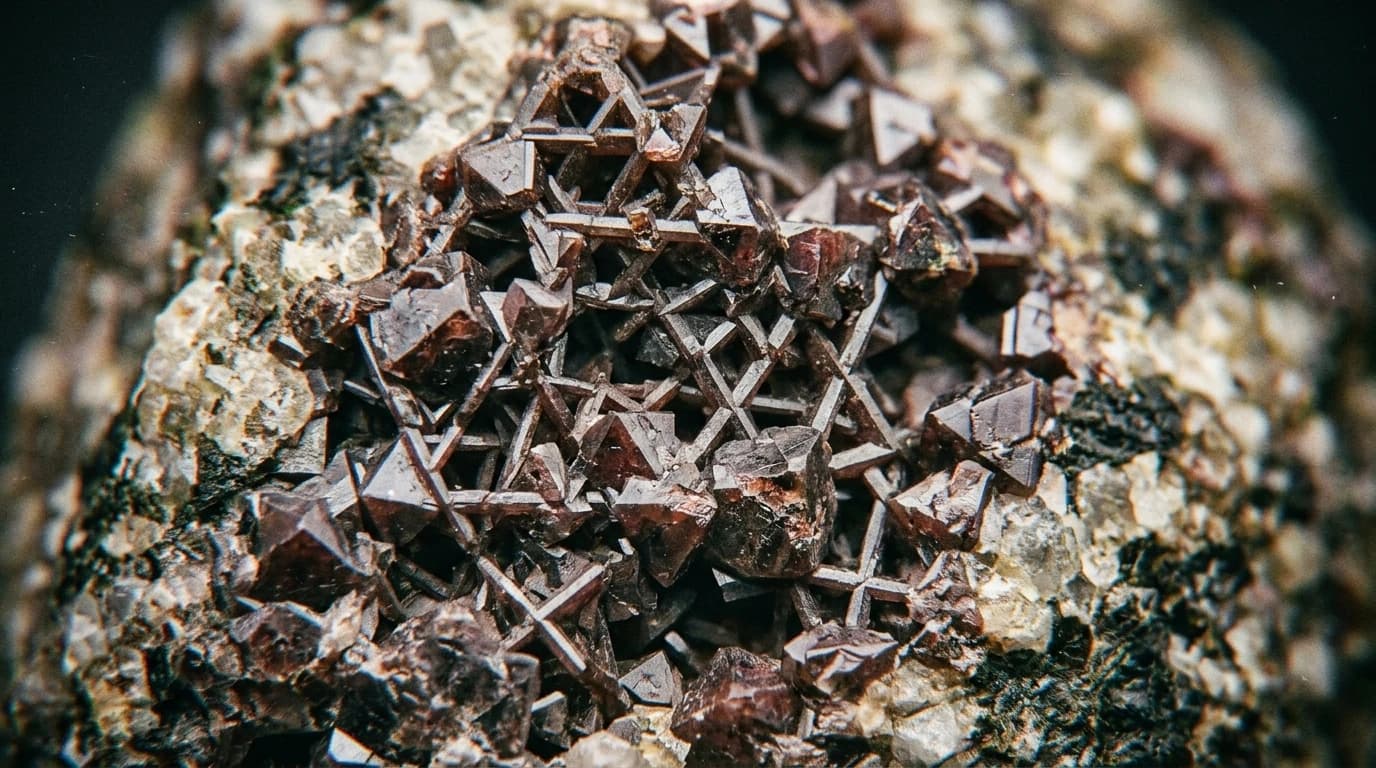
The Search for Better Pyrochlore Electrolytes
Imagine a game of musical chairs where every seat is occupied. No one can move. To get people circulating, you need to pull a few chairs away. In the world of fuel cells, those 'chairs' are oxygen atoms, and their absence creates the flow of energy.
Solid Oxide Fuel Cells (SOFCs) produce clean electricity but usually require blistering heat to function. To lower that temperature, scientists are hunting for better materials to act as the electrolyte—the material that lets oxygen ions zip through the system.
Researchers recently turned to a specific crystal structure known as pyrochlore. In a preliminary study posted to Springer Science and Business Media LLC, a team used computer simulations to 'dope' these crystals with different elements. By swapping out atoms, they created 'vacancies'—the empty chairs that allow ions to hop from one spot to the next.
Predicting Performance with Atomic Models
The team identified a specific recipe: mixing Neodymium and Zirconium with Samarium and Molybdenum. This specific blend, dubbed NSMoZO, showed the highest conductivity in early-stage lab tests. The researchers used Density Functional Theory to calculate the exact energy needed to create these vital gaps.
This work, which is currently awaiting peer review, suggests that calculating 'defect formation energy' can predict how well a material will perform before it is even synthesised in a lab.
- Doping at the 'B-site' creates the initial oxygen vacancies.
- Adding a second dopant at the 'A-site' helps organise and stabilise the structure.
- The result is a material that conducts ions at 750°C with high efficiency.
If these findings hold up after formal review, this method could speed up the search for materials that make hydrogen power more practical for everyday use.