Genetics & Molecular Biology17 March 2026

The Asian Exception: Why Clostridioides difficile RT027 Lacks Its Usual Bite

Source PublicationEmerging Microbes & Infections

Primary AuthorsWang, Lin, Luo et al.
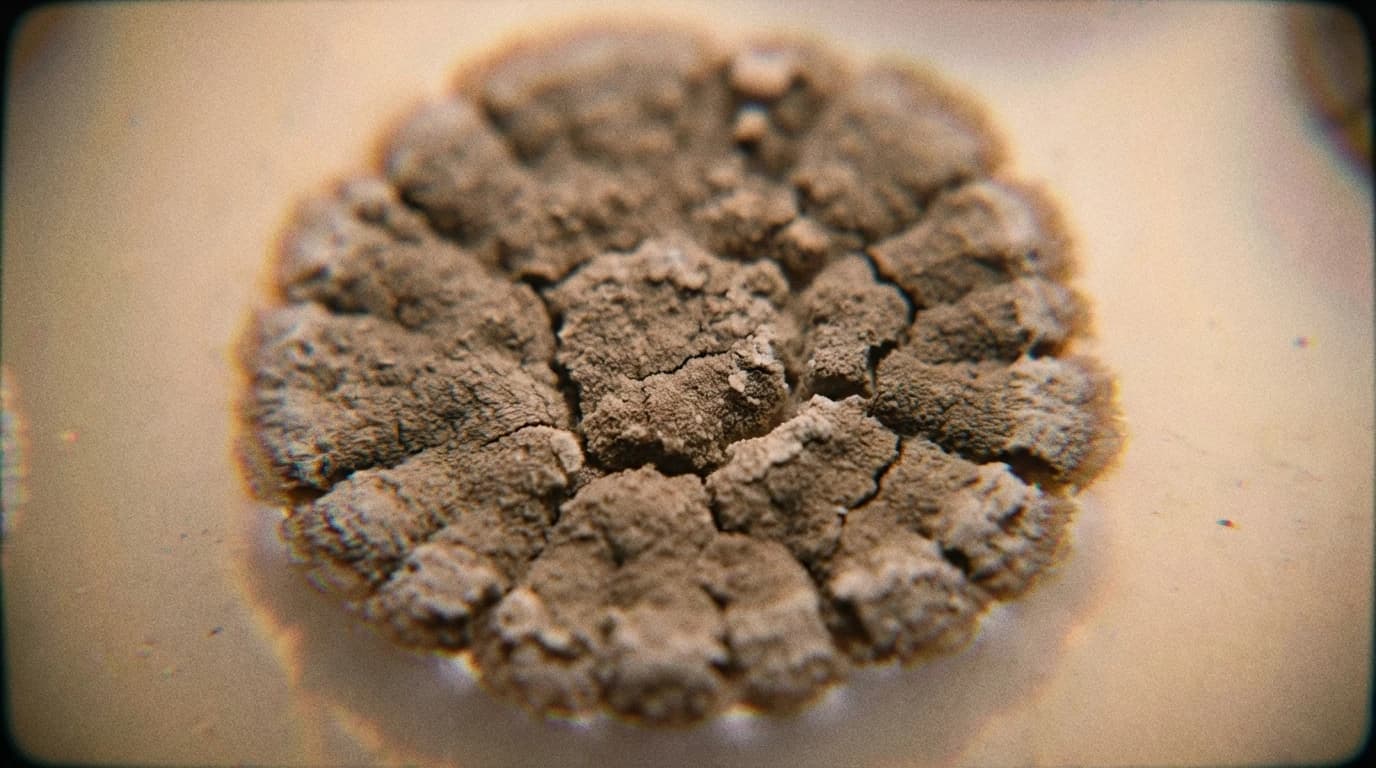
Visualisation for: The Asian Exception: Why Clostridioides difficile RT027 Lacks Its Usual Bite
Visualisation generated via Synaptic Core

These results were observed under controlled laboratory conditions, so real-world performance may differ.

Researchers have finally established why the hypervirulent Clostridioides difficile RT027 causes severe outbreaks in Western hospitals but remains relatively benign in China. By combining comparative transcriptomics with genomic profiling, scientists have revealed that the Asian lineage possesses the genetic hardware for high virulence but actively suppresses its expression.

The Global Threat of Clostridioides difficile RT027

For two decades, Clostridioides difficile RT027 has driven severe hospital-acquired infections across North America and Europe. Yet, clinicians in Asia consistently reported a strange anomaly. Infections in China were rare, and severe cases were almost non-existent. Genomic sequencing confirmed that the Chinese isolates possessed the exact same genes for toxins and antibiotic resistance as their deadly Western counterparts, leaving the molecular mechanism behind this geographical discrepancy unclear.

Reading the RNA, Not Just the DNA

To solve the mystery, researchers deployed a more rigorous approach: comparative transcriptomics paired with pan-genome profiling. Instead of relying solely on standard DNA sequencing to identify the genetic blueprint, they measured the actual RNA output to see which genes the bacteria actively expressed. The results showed a clear evolutionary divergence. The Chinese isolates form a distinct sublineage closer to the FQR1 group, separating them from the highly virulent FQR2 lineage common in the West. More importantly, the transcriptomic data measured significantly reduced expression of binary toxin genes (cdtAB, cdtR) and downregulated flagellar pathways. Phenotypic laboratory tests confirmed what the RNA data suggested. The researchers observed:
  • Impaired sporulation and severely reduced motility.
  • Lower overall cytotoxicity compared to standard reference strains.
  • Reduced transcriptional activity in CRISPR-Cas elements.
Despite these reductions, the production of the primary TcdB toxin and cellular adhesion remained comparable to reference strains.

What Remains Unanswered

While this multi-omics approach successfully explains the biological mechanism behind the attenuated virulence in laboratory settings, it does not solve the underlying ecological puzzle. The study does not identify the specific environmental pressures in Asia that drove this genetic downregulation in the first place. Furthermore, the sample size is restricted to 11 isolates collected entirely from Shandong, China. This limits our ability to confirm if this behavioural shift is uniform across the entire Asian continent or merely a localised phenomenon.

Future Clinical Implications

This discovery suggests that managing outbreaks requires more than just identifying the genetic blueprint of a specific strain. It demonstrates the necessity of understanding regional evolutionary trajectories and real-time gene expression. While it remains to be seen exactly what caused this sublineage to silence its own virulence genes, the data provide a rigorous biological explanation for an epidemiological anomaly. It proves that possessing the genetic hardware for destruction does not guarantee the software will run it.

Cite this Article (Harvard Style)

Wang et al. (2026). 'Genomic and phenotypic insight into <i>Clostridioides difficile</i> RT027 isolates from China reveals diverse virulence associated with clinical symptoms. '. Emerging Microbes &amp; Infections. Available at: https://doi.org/10.1080/22221751.2026.2637287

Source Transparency

This intelligence brief was synthesised by The Synaptic Report's autonomous pipeline. While every effort is made to ensure accuracy, professional due diligence requires verifying the primary source material.

Verify Primary Source
What are the characteristics of Clostridioides difficile ribotype 027?GenomicsTranscriptomicsHow does C. difficile RT027 in China differ from other regions?