The Algorithm Beating Traditional Models at Wheat Yield Prediction
Source PublicationTheoretical and Applied Genetics
Primary AuthorsLokeshwari, Jha, Praveenkumar et al.
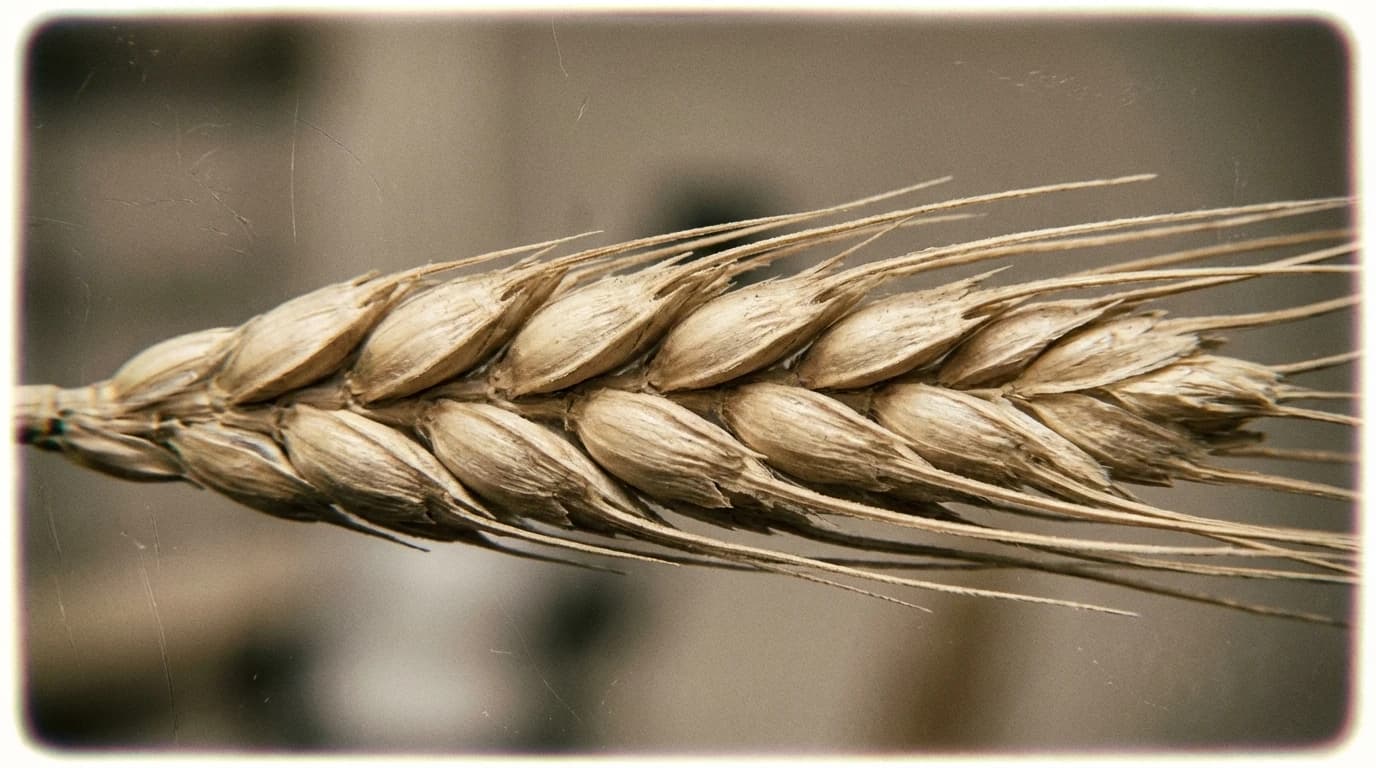
Researchers have successfully combined deep neural networks with genetic algorithms to improve wheat yield prediction, a notoriously difficult task because plant growth responds to erratic weather variables. Accurately forecasting harvests relies on capturing subtle physical changes in the field without destroying the crops.
These results were observed under controlled laboratory conditions, so real-world performance may differ.
The Context Behind Wheat Yield Prediction
For decades, estimating a harvest required either tedious manual sampling or relying on algorithms that struggle with complex environmental data. Traditional machine learning models like Random Forest Regression (RFR) and Support Vector Regression (SVR) often hit a performance ceiling. They struggle to fully process the non-linear relationships found in dense, multi-layered sensor metrics.
Agronomists require a rapid, non-destructive method to monitor crops in real time. This demand is driving the shift towards proximal sensing technologies, which scan fields using active light sensors rather than physical sampling.
Building a Better Neural Network
The research team gathered data from 3,350 diverse wheat plants across two locations during the 2020-2021 winter season. They captured proximal sensing data using handheld and vehicle-mounted sensors, focusing on three primary metrics:
- Normalised Difference Vegetation Index (NDVI)
- Canopy temperature (CT)
- Plant height (PH)
To process this vast dataset, they built a deep neural network (DNN). They then applied a genetic algorithm (GA) to optimise the network's learning architecture.
Comparing the Algorithms
When tested against standard baseline models, the new GA-optimised DNN was consistently more accurate across both irrigated and rainfed test plots. Comparative analysis demonstrated that the GA-DNN successfully outperformed traditional machine learning models, specifically Least Absolute Shrinkage and Selection Operator (LASSO), Support Vector Regression (SVR), and Random Forest Regression (RFR).
Rather than hitting the performance ceilings typical of these older algorithms, the GA-DNN effectively integrates the proximal sensing data into a deep learning framework to deliver superior field-scale forecasts.
The data showed that NDVI measurements taken across five distinct growth stages offered the strongest predictive signals. Specifically, the model achieved R² values of 60 per cent or greater under irrigated conditions, and 50 per cent or greater when rainfed.
Current Limitations
Despite its high accuracy compared to traditional methods, this system does not yet solve the problem of universal generalisation. The model was trained exclusively on a specific subset of 3,350 wheat germplasm lines in Indian agriculture over a single winter season.
Consequently, its predictive power could falter if applied to entirely different global climates or alternative growing conditions. While the study introduces a pioneering framework, further trials are required to confirm its robustness beyond these specific regional and seasonal constraints.
Future Outlook
This computational approach suggests that breeders might soon select the best genetic variants of wheat long before the actual harvest. By scaling this method, agricultural scientists could streamline pre-harvest evaluations.
The integration of proximal sensing with deep learning offers a rigorous framework for genotype selection. If the model proves robust across subsequent trials, it may equip researchers with a highly efficient tool for managing agricultural outputs amidst shifting climates.