The 481-Metre Alaska Megatsunami That Shook the Earth for 36 Hours
Source PublicationScience
Primary AuthorsShugar, Barnhart, Berdahl et al.
"It is like dropping a brick into a bathtub; the water does not just splash once, it sloshes back and forth from edge to edge for ages."
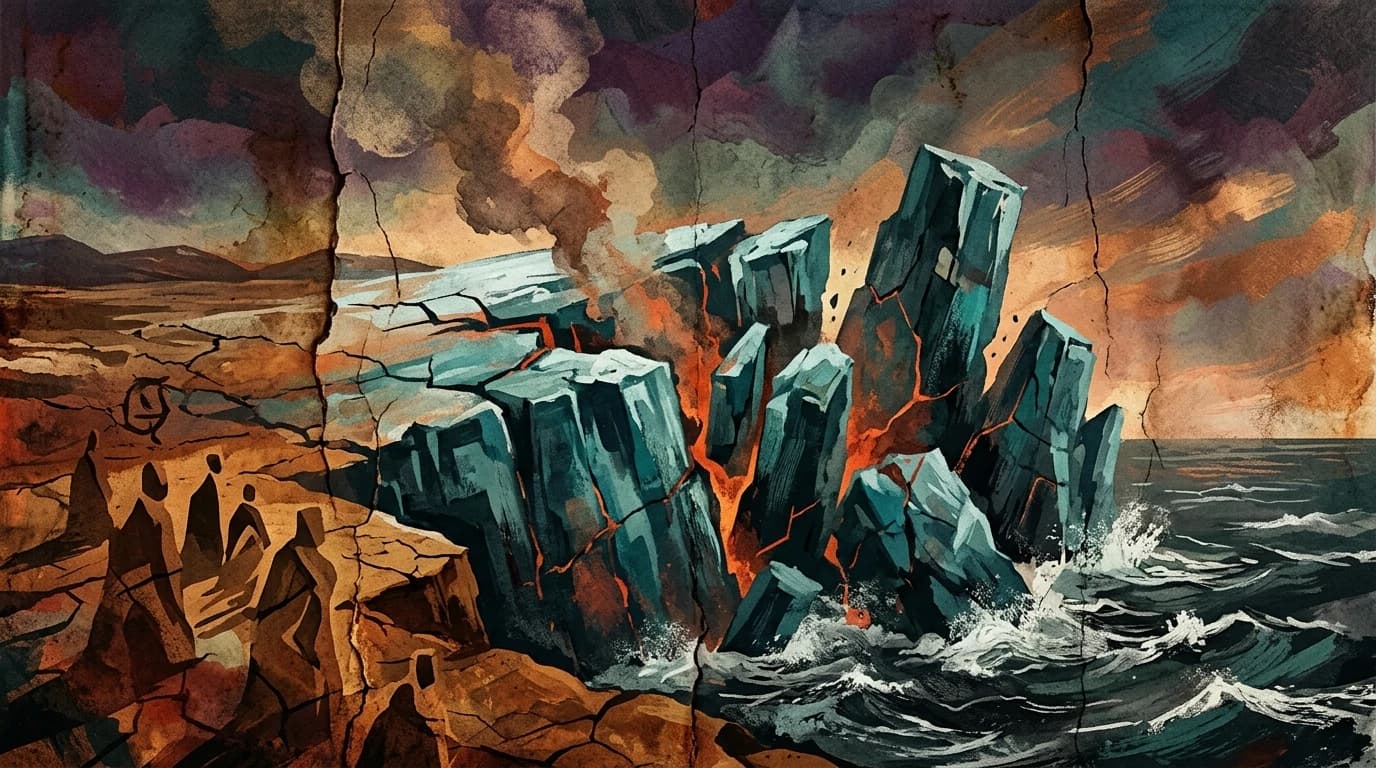
Did you know a wave taller than the Empire State Building recently shook the entire planet? On 10 August 2025, a colossal landslide plunged into a narrow fjord, triggering a terrifying 481-metre Alaska megatsunami. 🌊
As climate change forces glaciers to retreat, the steep rock walls they once supported become highly unstable. Without the ice holding the mountainsides together, gravity eventually wins. When these giant slopes collapse into deep water, the displaced energy creates hyper-fast waves.
How the Alaska Megatsunami Rang the Earth
Scientists analysed seismic data and found the slide dumped over 64 million cubic metres of rock. The sheer force of this event was staggering:
- An initial 100-metre wave blasted forward at over 70 metres per second.
- The impact produced global seismic waves equivalent to a magnitude 5.4 earthquake.
- Trapped water sloshed back and forth—an effect called a seiche—ringing the planet for 36 hours.
Predicting the Next Giant Wave
This near-miss suggests that warming temperatures could make coastal landslides more frequent. Because popular cruise ships regularly organise trips to these scenic centres, researchers warn of rising risks. Monitoring micro-earthquakes on unstable slopes may help us predict future collapses before they happen. By watching these tiny tremors, we can protect travellers.