Scrutinising the Zinc Role in Brain Function and Regenerative Medicine
Source PublicationMolecular Neurobiology
Primary AuthorsUmesh, Sadanandan, Marabanahalli Yogendraiah et al.
Zinc drives neuronal repair and regulates cellular dynamics. While established as an essential nutrient, current analysis highlights its dual nature as both a stabiliser and a potential toxin. Researchers are moving beyond viewing zinc solely as a dietary requirement, treating it instead as a manipulatable variable in neuroregeneration strategies.
These results were observed under controlled laboratory conditions, so real-world performance may differ.
Mechanisms Behind the Zinc Role in Brain Function
The Zinc role in brain function is foundational. As the second most abundant transition metal in the central nervous system, it governs neurotransmission and synaptic plasticity. These processes are the bedrock of learning and memory. The data confirms that zinc homeostasis is strictly gated; the body works hard to keep levels precise. Dysregulation is not merely a side effect but a contributor to the onset of pathologies such as Alzheimer's disease and Parkinson's disease. At a cellular level, zinc influences the PI3K/Akt and MAPK signalling pathways. These pathways control whether a stem cell proliferates, differentiates, or survives.
Physiological levels of zinc support axonal sprouting and synaptic connectivity. However, the margin for error is slim. Excessive release triggers excitotoxicity and oxidative stress, accelerating cell death rather than preventing it. This duality presents a significant challenge for therapeutic development.
Pathological Excess vs. Engineered Biomaterials
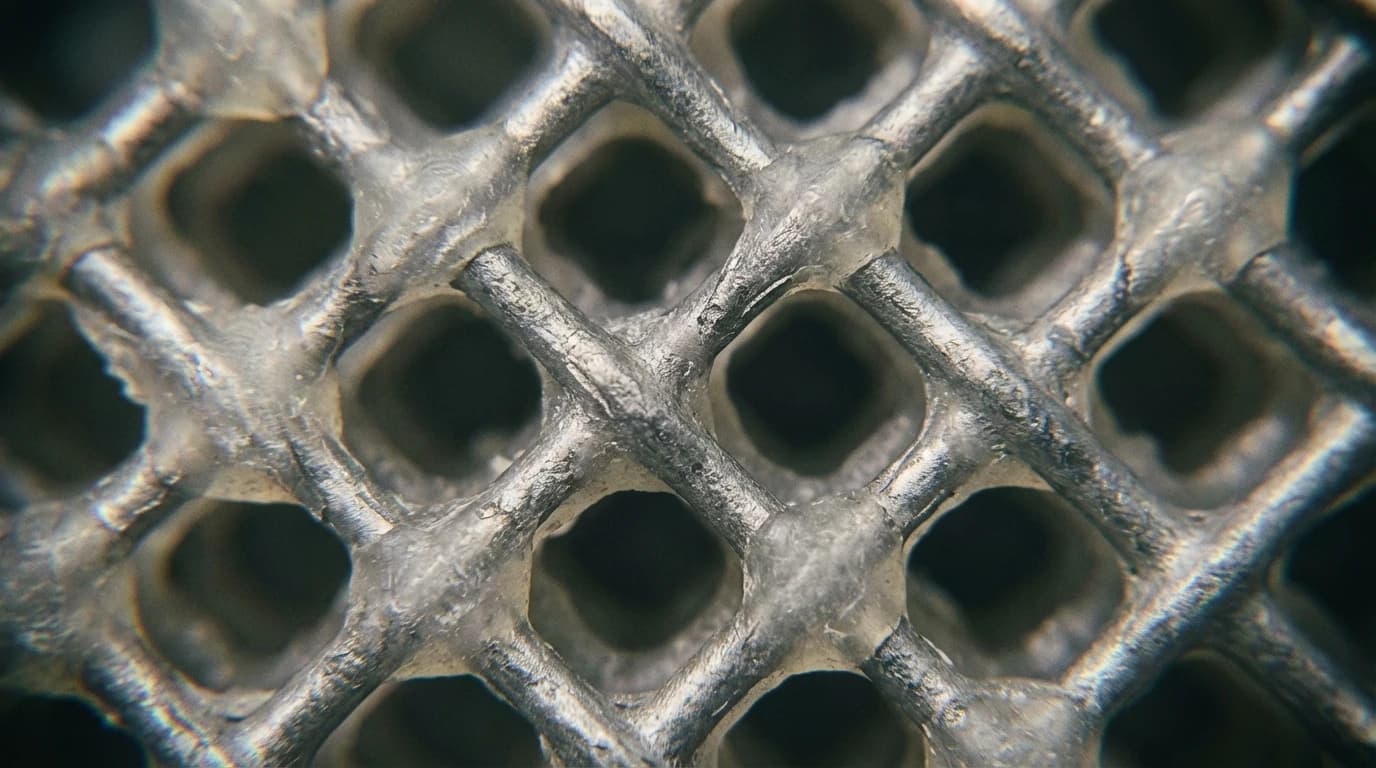
A technical distinction must be drawn between pathological zinc release and the application of zinc-enriched biomaterials. In a dysregulated biological state, excess zinc exacerbates oxidative stress. In contrast, the new method of using zinc-enriched scaffolds for tissue engineering seeks to harness specific properties to enhance neurite outgrowth and cell adhesion. While pathological levels accelerate damage, these engineered environments aim to promote network repair by incorporating zinc into the structural matrix. The success of these materials in experimental models suggests that controlled incorporation can support neurogenesis, distinct from the uncontrolled flooding seen in neurodegenerative conditions.
Nanomedicine and Future Implications
Beyond regeneration, zinc oxide nanoparticles (ZnO NPs) are being tested for anticancer properties. In human cancer cell lines, these particles induce DNA damage and apoptosis by generating reactive oxygen species. While effective in these isolated cellular models, the translation to complex biological systems requires rigour. The evidence supports the potential of zinc in treating neural injury, but the gap between efficacy in a petri dish and clinical application remains significant. Current findings justify further investigation, yet they do not yet guarantee a therapeutic strategy ready for human trials.