Regenerative medicine for brain injury: Why new neurons need a support crew
Source PublicationScientific Publication
Primary AuthorsCruz EM, Soares LC, Greene G, Messore F, Abuelem M, Li M, Andersen C, Domocos M, Vitiello E, Razak RA, Lawston M, Moser G, Vasaturo-Kolodner T, Barkat M, Bill RM, Mann E, Zhou L, Salman MM, Bayley H, Molnár Z, Szele FG.
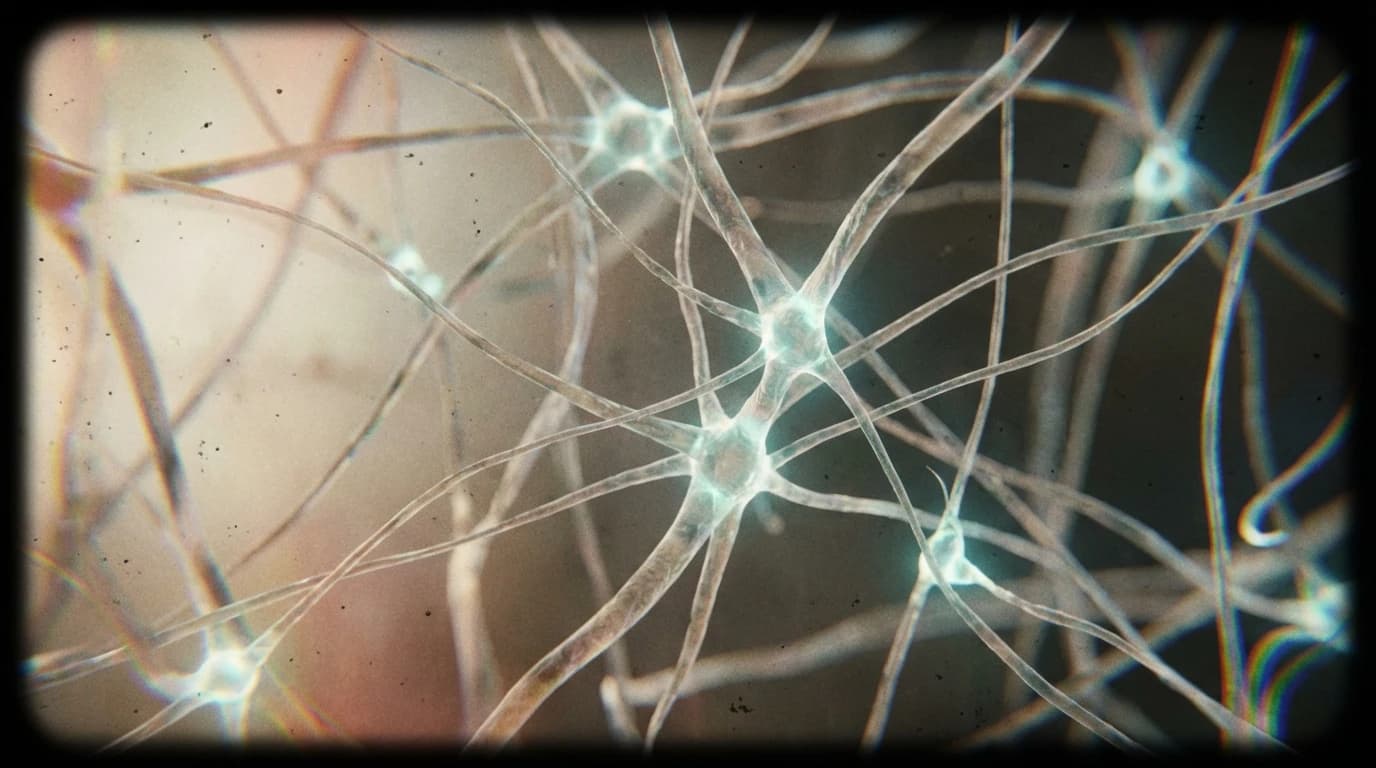
The Empty Kitchen
Imagine dropping a world-class chef into an empty room with no ingredients, no sous-chefs, and no gas supply. They will not cook a single meal. Eventually, they will just pack up and leave.
For years, scientists have tried treating damaged neural tissue using a similar approach. They implant fresh, healthy neurons into a damaged area, hoping the cells will simply get to work.
But neurons are demanding divas. Without a dedicated support crew, they struggle to survive, let alone fix the damage. This missing support system is a major hurdle in regenerative medicine for brain injury.
The Context: Hostile Environments
When a brain suffers trauma, the local environment becomes incredibly harsh. Blood supply drops off, and neural connections wither away.
Researchers know that implanting human neural cells into damaged rodent brains can sometimes help. The new cells occasionally adapt and ease some physical deficits.
Yet, these implants often fail to organise properly. They lack a reliable blood supply and miss out on vital support cells called astrocytes.
Astrocytes are the brain's site managers. They release growth factors, help wire up synapses, and encourage new blood vessels to form.
The Discovery: Adding the Support Crew
A new lab study measured what happens when you give those demanding neurons exactly what they want. The researchers stopped treating neurons as solo acts.
Instead of growing human neuronal progenitor cells on their own, the team paired them with mouse astrocytes. They used microfluidics to build tiny, 3D biological constructs.
The results inside the lab were highly distinct. Co-cultured neurons matured faster, survived longer, and grew more densely.
The real test was measuring what happened when these 3D structures were implanted into mouse brains. The researchers observed several physical changes:
- The size of the brain lesions shrank considerably.
- Axons—the long cables neurons use to send signals—grew more robustly.
- Astrocytes successfully linked up with the local blood vessels.
Using high-resolution microscopy and light-based tools called optogenetics, the team also spotted physical synapses forming. The new implants were actively talking to the host brain.
The Future of Regenerative medicine for brain injury
This research suggests that we cannot just focus on the neurons themselves. We have to build the entire neighbourhood.
By including astrocytes in the mix, scientists can create implants that are far more resilient. The support cells ensure the neurons get the blood and structural backing they need to thrive.
While this is a lab study involving mice, it hints at a smarter way to design human therapies. Future treatments for severe head trauma or strokes could rely on these pre-packaged, 3D cellular communities.
It turns out, if you want the chef to perform, you have to bring the whole kitchen.