Reduced Gray Matter and the Psychological Readiness for Return to Sport
Source PublicationSports Health: A Multidisciplinary Approach
Primary AuthorsZhang, Xue, Yang et al.
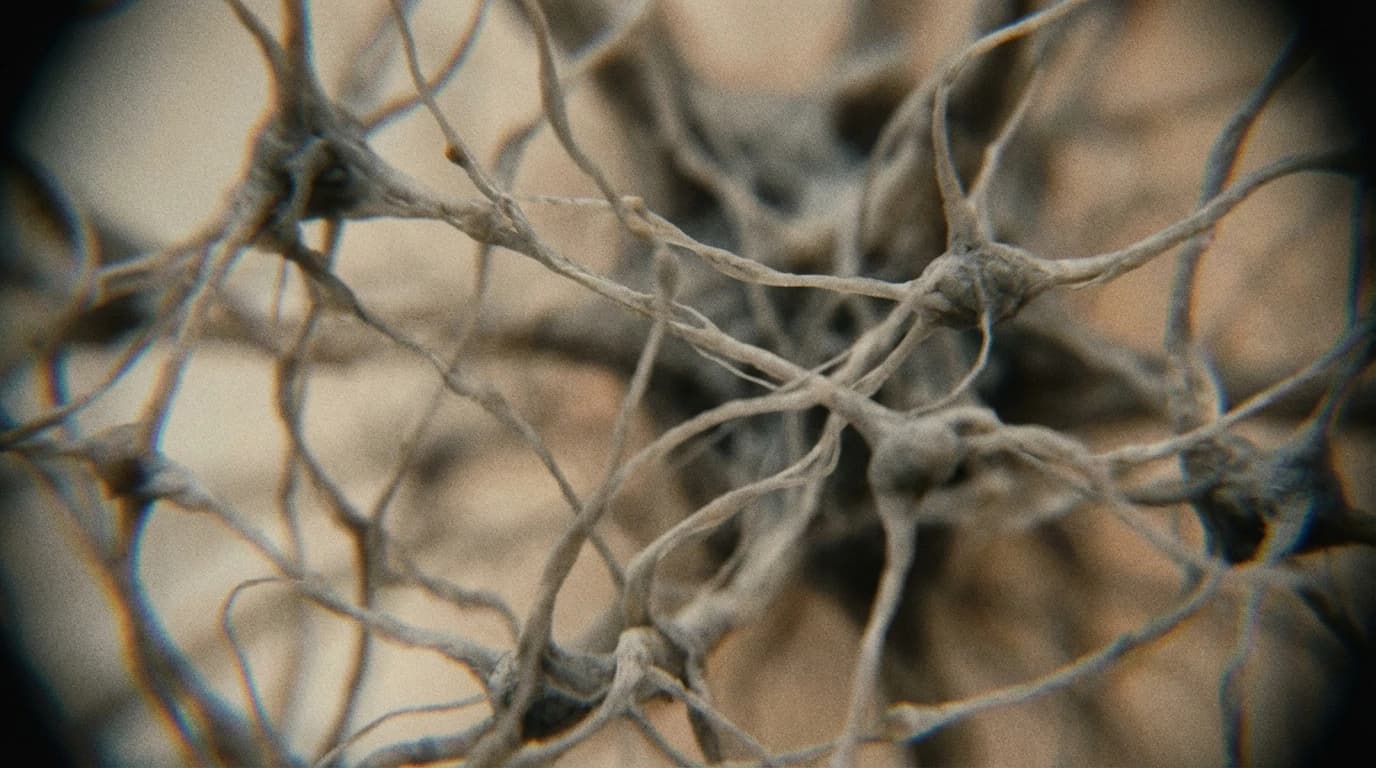
Is there not a strange, brutal elegance to how the body manages disaster? We often imagine our biology as a static blueprint, yet when trauma strikes, the system behaves more like a frantic improviser than a rigid architect. Consider the Anterior Cruciate Ligament (ACL). A simple band of tissue snaps. Surgeons repair it. The knee heals. But upstairs, inside the skull, the architecture appears fundamentally distinct.
These results were observed under controlled laboratory conditions, so real-world performance may differ.
A recent cross-sectional study recruiting 36 patients with ACL reconstruction (ACLR) and 36 healthy controls suggests that the injury is linked to a physical footprint on the brain itself. The researchers collected structural and functional magnetic resonance imaging (MRI) data alongside pain scores. What they measured was not merely anxiety, but distinct structural differences.
The puzzle of neural adaptation
The scans highlighted significantly smaller gray matter volume in the ACLR group. Specifically, the differences were found in the thalamus, the periaqueductal gray (PAG), and the prefrontal cortex. One might ask: why would nature organise a genome to maintain less brain tissue in these vital regions following a joint injury? It seems counterintuitive.
However, look closer at the function of these regions. The thalamus acts as the Grand Central Station for sensory input. The PAG is central to pain modulation. The authors propose that peripheral nociceptive input—pain signals from the knee—could be the driver behind these central changes. The brain is not an isolated commander; it is a reactive landscape. When the 'noise' of injury persists, the hardware responsible for processing it appears to be altered. It is a grim sort of adaptation, where the brain is physically marked by the trauma it monitors.
Gray matter and the psychological readiness for return to sport
This structural variance appears to have functional consequences. The study found that the volume of the thalamus correlated positively with scores on the ACL-RSI scale, a tool used to measure confidence in moving the knee again. Smaller thalamus volume tracked with lower confidence.
Furthermore, the data showed weakened functional connectivity between the PAG and the anterior cingulate cortex (ACC). The researchers propose that this disrupted circuit mediates the relationship between pain and the patient's hesitation. The pain signals from the periphery might trigger a neural remodelling that correlates with fear. It is not just a fleeting thought. It is a wiring issue.
The fear of reinjury is often dismissed as a lack of mental fortitude. This evidence suggests otherwise. It implies that the psychological readiness for return to sport is tethered to tangible biological alterations. The brain has adapted to the injury, but perhaps in a way that creates a barrier to movement.
For rehabilitation, this changes the conversation. Physical therapy restores the muscle. But if the central nervous system has altered its circuitry in response to the knee, we may need interventions that specifically target these neural pathways to help them recover.