Reclaiming the Wild: How Palaeoecology Guides Freshwater Marsh Restoration
Source PublicationJournal of Environmental Management
Primary AuthorsHan, Cong, Li et al.
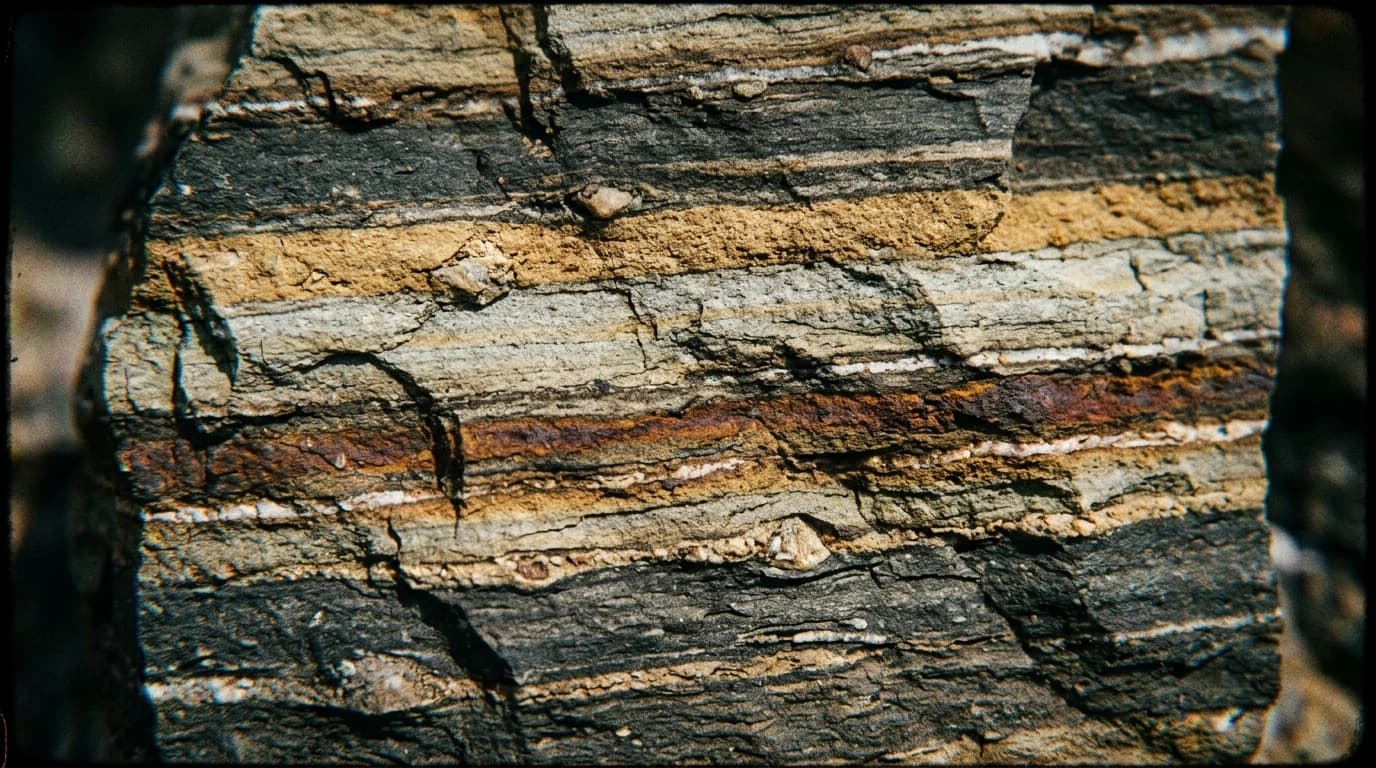
Conservationists lack precise, historical baselines to guide wetland recovery, relying instead on modern, already-degraded reference points. To resolve this, and although currently based on a single-core analysis of the Dongfanghong marsh, researchers analysed a 5,700-year sediment core from the Sanjiang Plain to establish a clear target for freshwater marsh restoration.
The Baseline for Freshwater Marsh Restoration
The study measured diatom assemblages and geochemical markers, including black carbon and heavy metals, across five millennia. The data revealed that the marsh retained its natural state until 1300 years ago, when early metallurgy began. A major ecological shift occurred 700 years ago as agricultural expansion, biomass burning, and coal combustion increased nutrient loading, favouring disturbance-tolerant diatom species. This suggests that modern degraded wetlands are operating far outside their historical boundaries.
Data-Driven Recovery and Future Applications
This historical map suggests that restoring wetlands to their pre-700 BP chemical state could help recover natural ecosystem functions and water quality. Over the next decade, these insights may reshape conservation technology, shifting the focus from passive preservation to active, data-driven management. Future applications include:
- Bio-Indicator Monitoring: Deploying diatoms as highly sensitive biological indicators to track water-quality changes, allowing managers to assess the health of recovering wetlands.
- Targeted Ecological Baselines: Establishing precise geochemical targets (such as pre-700 BP nutrient and heavy metal levels) to design localized, historically accurate restoration goals.
- Adaptive Management Frameworks: Integrating long-term historical data into conservation plans, helping managers anticipate how ecosystems react to cumulative human pressures.
By using deep history as a blueprint, environmental managers can remove the guesswork from conservation, ensuring restored habitats are stable for the next century.