Environmental Science7 May 2026
Quantifying the Knowledge Gaps of Global Change on Terrestrial Organisms
Source PublicationCalifornia Digital Library (CDL)
Primary AuthorsMohr, Ashe-Jepson, Jochum
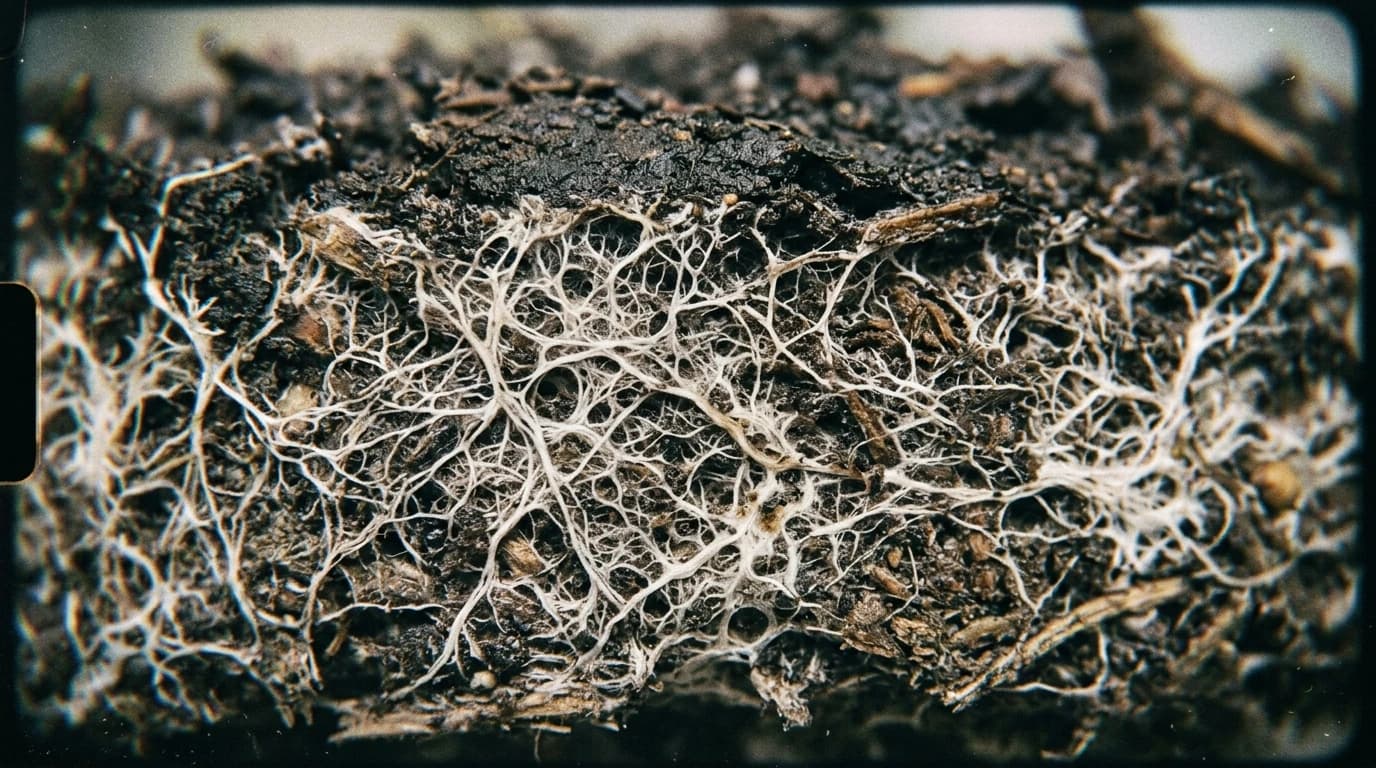
Ecologists have long operated with a vertical bias, prioritising visible surface shifts while the subterranean world remains a statistical black box. This disconnect prevents a coherent prediction of how global change on terrestrial organisms will alter ecosystem stability. Understanding these links is technically demanding because soil and canopy interactions are governed by vastly different biological rhythms.
The Data Deficit of Global Change on Terrestrial Organisms
A systematic literature review has now mapped the structural failures in ecological monitoring. Previous methods often relied on narrow, site-specific observations; this new analysis instead quantifies the systemic neglect of specific biomes and stressors. The researchers measured a significant geographic and taxonomic skew that threatens the validity of current environmental models. The findings reveal several critical research voids that must be addressed:- Tropical zones, wetlands, and deserts are frequently ignored in favour of temperate agricultural land.
- Invertebrates receive disproportionate attention, leaving other essential soil-dwelling groups under-studied.
- Extreme weather events and non-agricultural pollutants are rarely tracked in tandem with biodiversity loss.
- There is a distinct lack of studies that link organism presence directly to ecosystem functioning or future climate projections.
Cite this Article (Harvard Style)
Mohr, Ashe-Jepson, Jochum (2026). 'Identifying knowledge gaps on simultaneous above- and belowground organism responses to global change.'. California Digital Library (CDL). Available at: https://doi.org/10.32942/x25t0f