Precise Nanorod Alignment Boosts Battery Capacity
Source PublicationSmall
Primary AuthorsSu, Cao, Zhang et al.
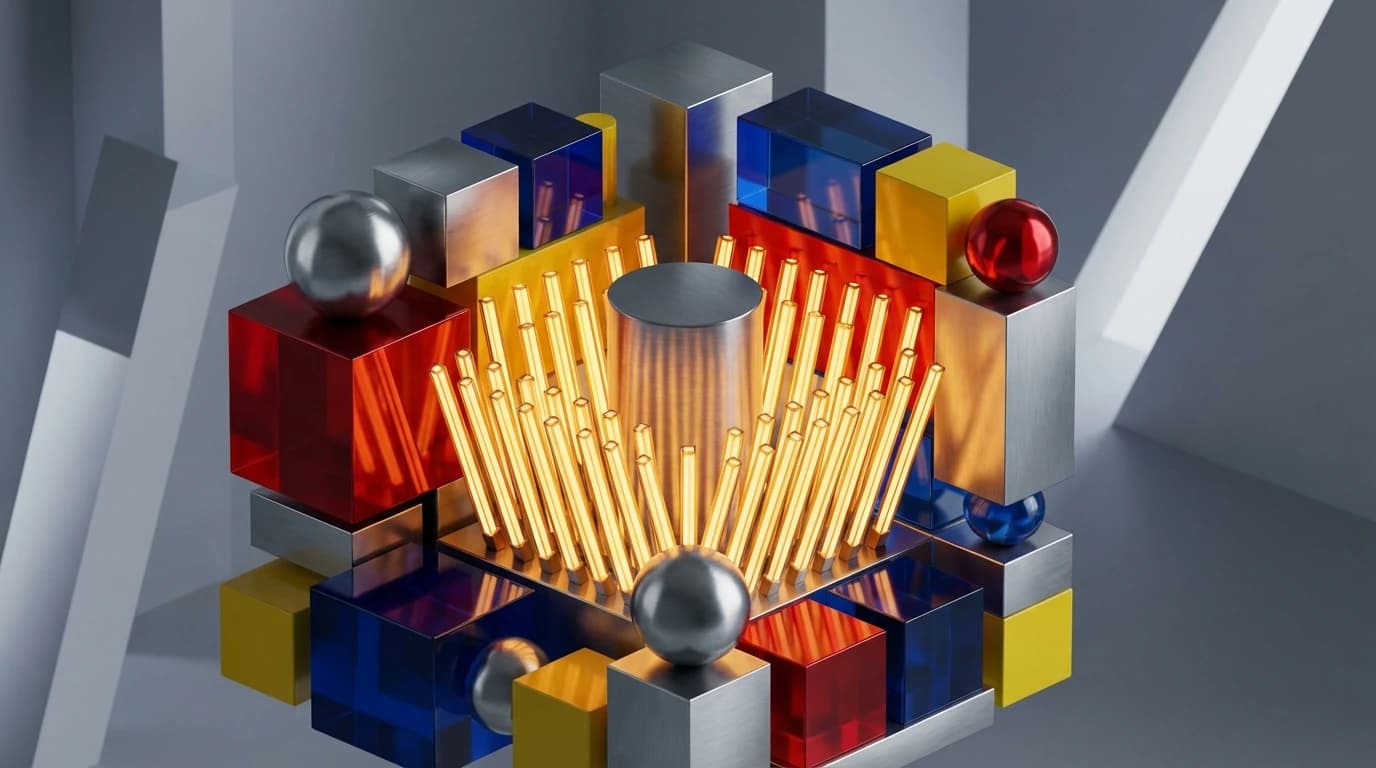
Harnessing the full potential of nanomaterials often requires bridging the gap between tiny, discrete structures and larger, organised patterns. A new study presents a synergistic approach to creating micrometre-scale β-FeOOH nanorod arrays with remarkable precision. By introducing zinc chloride (ZnCl2) and octanoic acid during synthesis, scientists managed to control the chaos of particle growth.
The ZnCl2 plays a dual role: it limits nanorod growth to under 50 nanometres by suppressing Ostwald ripening—a natural process where larger particles grow at the expense of smaller ones—and encourages the rods to line up by compressing the electric layer around them. Meanwhile, octanoic acid modifies the surface chemistry to ensure these rods form large, ordered domains. The resulting parallel-aligned architecture allows for faster charge transfer and greater stability. As a lithium-ion battery anode, this hierarchical material delivered a staggering capacity of 2168.9 mAh g-1 after 850 cycles, far exceeding most reported anodes and offering a blueprint for advanced energy storage.