Powering Up the Brain: How Guanosine Neuroprotective Effects Target Our Mental Centre
Source PublicationSpringer Science and Business Media LLC
Primary AuthorsSantos, Rescaroli, Pires et al.
"Like overclocking only the graphics card in a gaming PC to handle a heavy load, rather than wasting energy boosting the entire system."
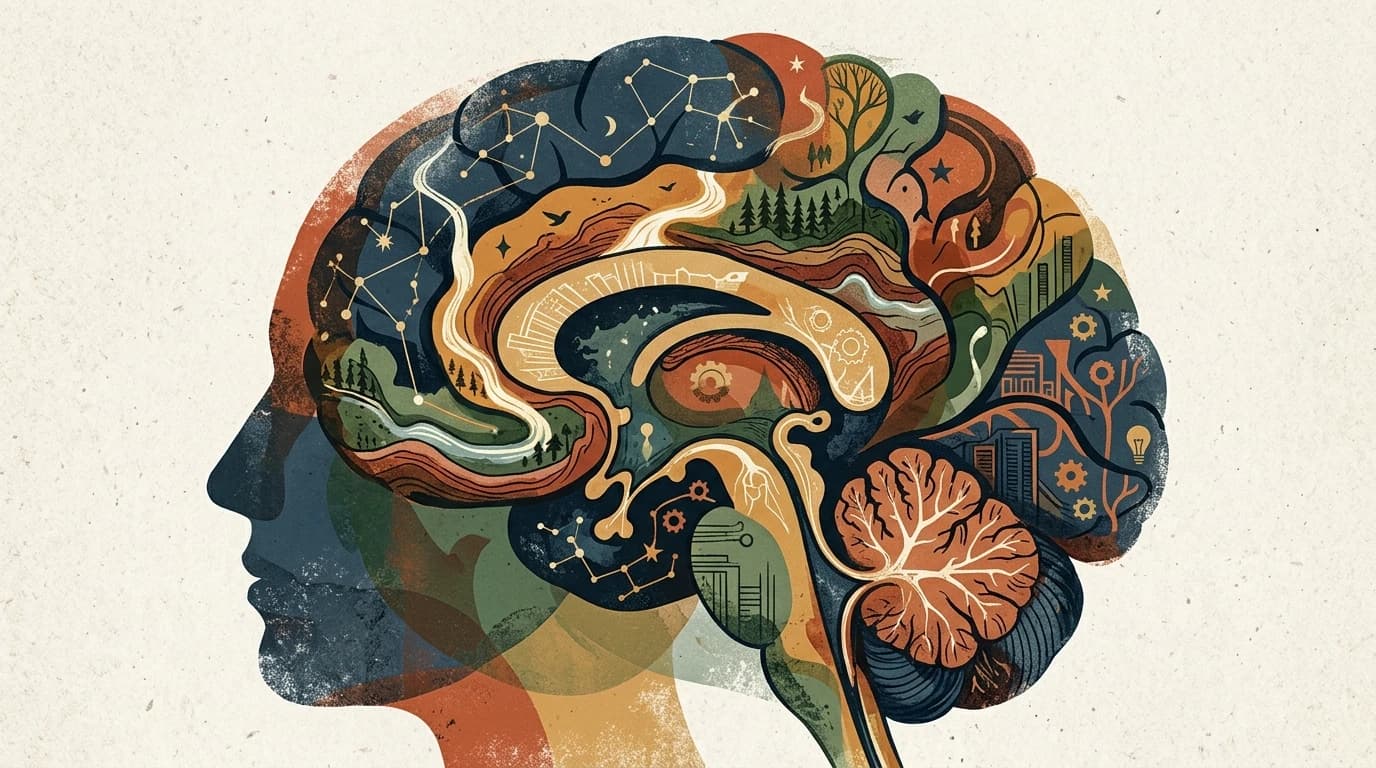
Think of your brain like a high-end gaming PC. When running a demanding game, you do not need to overclock the entire system; you just want to direct extra power to the graphics card to keep the frame rate smooth.
Note: This article is based on a preprint. The research has not yet been peer-reviewed and results should be interpreted as preliminary.
Our brain cells rely on tiny internal power plants called mitochondria to keep us thinking, learning, and reacting. When these cellular engines lose efficiency, it can lead to cognitive decline and neurological disorders. Finding ways to safely boost these power plants is a major focus for modern science.
In a new early-stage study, researchers investigated how guanosine, a natural compound, affects these cellular power plants. They gave young, three-month-old male Swiss mice oral doses of guanosine for 26 days and analysed the energy output in different brain regions.
Exploring Guanosine Neuroprotective Effects
The researchers discovered that guanosine selectively boosted mitochondrial energy production and spare capacity in the prefrontal cortex—the brain's decision-making centre. Surprisingly, the compound had no effect on the hippocampus, which manages memory.
This early-stage study suggests that different brain regions have unique metabolic responses. While the mice did not show any improvements in cognitive performance or behaviour, the localized power boost suggests a highly targeted way to protect vulnerable brain areas.
For science students, this matters because it reveals how we might map out targeted cellular therapies. Instead of using blanket treatments, future research could explore how to protect specific, vulnerable power grids in the brain before damage occurs.