Powering Tomorrow: The Push for Fast-Charging Solid-state lithium-sulfur batteries
Source PublicationAdvanced Science
Primary AuthorsJayasubramaniyan, Li, Kwon et al.
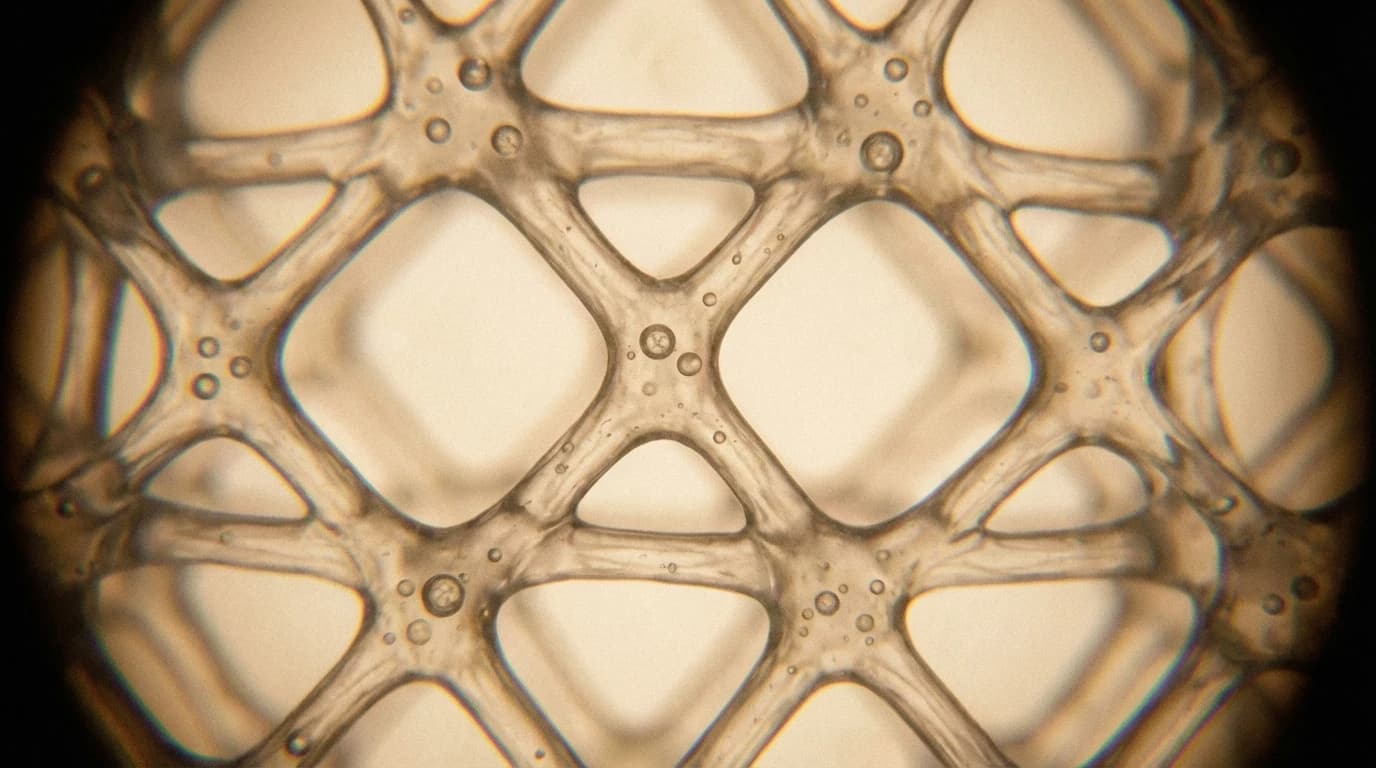
The Push for Fast-Charging Solid-state lithium-sulfur batteries
For years, engineers have pursued next-generation energy storage devices for electric vehicles that can handle rapid charging. Solid-state lithium-sulfur batteries offer massive energy potential, but they frequently struggle during fast charge-discharge cycles due to chemical bottlenecks. A new design framework for polymer-based solid electrolytes addresses these exact laboratory failures, offering a clear route to connect bench-scale advancements with practical applications.
These results were observed under controlled laboratory conditions, so real-world performance may differ.
The Context Behind the Chemistry
The energy storage industry's pursuit of next-generation devices is increasingly focused on polymer-based solid electrolytes. These materials boast distinct advantages, including mechanical flexibility, strong processability, and the ability to adapt to internal battery interfaces.
However, engineering these flexible polymers creates a frustrating trade-off. Researchers note that they currently suffer from constrained ionic conductivity, high interfacial polarization, and a destructive process called 'polysulfide shuttling'.
This chemical leakage degrades the battery over time. It severely impedes the fast charge-discharge cycles required to make high-energy electric vehicle power cells a practical reality.
Engineering High-Rate Power Cells
To fix these internal flaws, materials scientists have outlined a comprehensive new design strategy. The researchers evaluated recent advancements in polymer molecular design and composite engineering. Rather than searching for a single miracle material, they mapped out specific structural modifications to stop degradation at the laboratory level.
The proposed framework combines three main solutions to stabilise the battery:
- Optimising ion transport pathways to increase ionic conductivity.
- Improving chemical selectivity to mitigate destructive polysulfide shuttling.
- Engineering stable electrode-electrolyte interfaces to stop metallic dendrites from forming and short-circuiting the cell.
By applying these structural changes, the study suggests that polymer electrolytes can better support high-power demands. Tweaking the molecular design directly improves the lithium-ion transference number, a critical metric for fast-charging performance.
The Trajectory of Electric Transport
This research shifts the focus from basic chemistry to practical engineering frameworks. By creating a roadmap for adaptive, high-rate power cells, this perspective connects promising laboratory advancements with the real-world demands of electric vehicles.
If these polymer designs scale successfully, the downstream effects on electric transport could be substantial. Overcoming the limits of ionic conductivity and interfacial stability paves the way for energy storage devices that do not have to compromise between high capacity and rapid charging.
While moving from bench-scale prototypes to practical implementation takes time, this comprehensive framework provides the necessary technical directions. It outlines the exact structural steps required to push next-generation, high-power energy storage out of the lab and onto the road.