Ocean iron fertilization: Can We Starve the Carbon Parasite?
Source PublicationNature
Primary AuthorsYu, Moore, Primeau et al.
"Think of ocean iron fertilisation like giving a powerful energy drink to a garden. In the right soil, the plants grow beautifully and store nutrients. But in the wrong soil, greedy weeds grow out of control, stealing all the water and leaving the rest of the garden to wither and die."
The Silent Infection
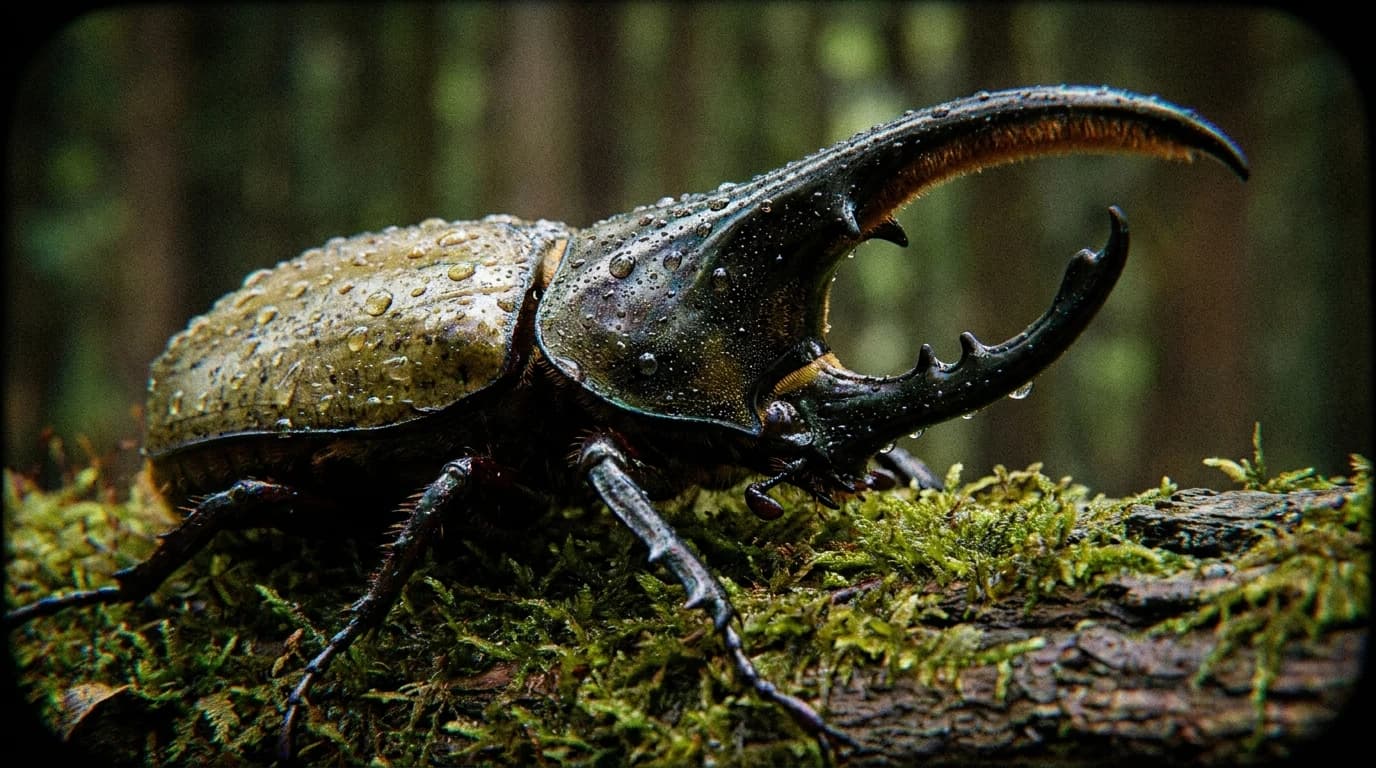
A quiet infection spreads across the globe. You cannot see it, but it is there, suffocating the sky. Excess carbon dioxide acts like a planetary parasite, behaving much like the hidden threat of Chagas disease. It feeds on our industrial habits, multiplying in the atmosphere and trapping heat. Slowly, this invisible villain alters the very fever of our world, bleaching coral reefs and melting ancient ice. The infection is silent. It does not announce itself with a sudden crash, but rather with a creeping, relentless warmth. For decades, the Earth has tried to fight off this fever. The oceans absorb much of the heat and the carbon, acting as the planet's immune system. Yet, the sheer volume of the parasite is overwhelming our natural defences. The skies are saturated. The waters are acidifying. The world needs a way to purge this invisible threat before the damage becomes permanent. We need a way to draw the parasite out of the air and lock it away in hidden compartments deep at the bottom of the sea.
Ocean iron fertilization: The Proposed Cure
Enter a proposed treatment: Ocean iron fertilization. Scientists have long wondered if they could give the ocean a vitamin boost. By scattering iron dust across the sea surface, they hope to trigger massive blooms of phytoplankton. These tiny marine plants breathe in carbon dioxide. When they die, they sink, dragging the carbon into the deep ocean's hidden compartments to harbour it safely away from the atmosphere. It sounds like a perfect plot twist. The villain is defeated by microscopic plants.
A Plot Twist in the Hidden Compartments
But a new modelling study suggests the cure might come with severe side effects. Researchers used a complex computer model to track what happens when we fertilise different parts of the ocean over 60 years. They found that not all waters react the same way.
In the Southern Ocean, the treatment works well. The iron sparks blooms that export carbon deep underwater without causing massive harm to the local sea life. However, in the equatorial Pacific, the story takes a dark turn. The iron causes a massive, greedy bloom of plankton. These plants consume all the surrounding nutrients. As the water flows away from the equator, there is nothing left for other marine life. This nutrient starvation reduces the food supply for larger animals and expands dead zones where oxygen is dangerously low.
Measuring the Risk
The study measured the potential carbon capture and the resulting changes in marine biomass across different ocean zones. It suggests that while this technique could remove a portion of carbon from the atmosphere, the ecological costs in certain regions are simply too high. Furthermore, the models indicate that more than half of the captured carbon could leak back into the atmosphere within a few decades.
This forces us to rethink our strategy. We cannot simply dump iron into the sea and hope for the best. If we are to fight the carbon parasite, we must be careful not to destroy the ocean in the process.