Nanoimprinted Chips Optimise CRISPR/Cas9 Delivery for Potent T-Cell Therapy
Source PublicationNano Letters
Primary AuthorsChen, Zhu, Fan et al.
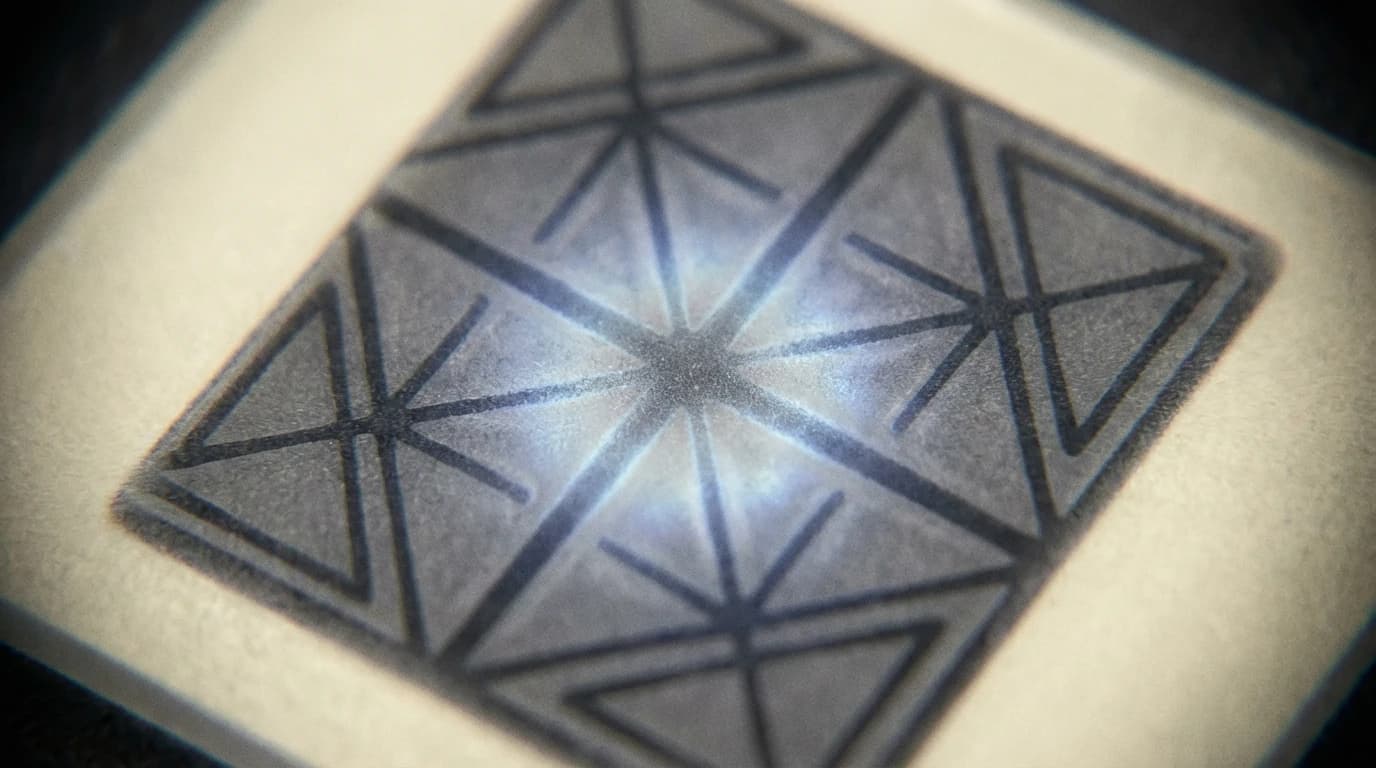
Cytotoxic T cells exhibited significantly amplified antitumor activity after undergoing PD-1 gene disruption via a novel platform. This breakthrough addresses the logistical bottleneck of CRISPR/Cas9 delivery by utilising a Nanoimprinted Photothermal Chip (NPC). While traditional transfection methods often compromise cell health, this approach leverages physics to ensure survival and precision.
These results were observed under controlled laboratory conditions, so real-world performance may differ.
Mechanisms of CRISPR/Cas9 Delivery
The NPC architecture consists of a PEGylated plasmonic gold nanopillar array, fabricated via nanoimprint lithography. This surface serves two distinct functions: it ensures optimal cellular adhesion and acts as a highly efficient photothermal converter. The process is rapid. When exposed to Near-Infrared (NIR) irradiation, the chip generates spatially confined thermal microdomains. These localised heat spikes transiently permeabilise the cell membrane. Consequently, the editing complexes bypass the lipid bilayer and enter the cytosol directly. The study measured synchronous modulation of genome-editing kinetics, confirming that the heat activation controls the timing of the edit.
Measured Outcomes and Viability
Experiments on mouse and sheep cell lines confirmed robust gene knockout. The data indicates high cell viability and preserved editing fidelity, distinguishing this method from harsher techniques like electroporation. Specifically, the disruption of the PD-1 gene in T cells was successful. In the lab, these modified cells displayed a marked increase in their capacity to attack tumours.
Therapeutic Implications
Why does this matter? Immunotherapy manufacturing faces high failure rates due to cell death during engineering. The NPC platform offers a non-viral, physical delivery route that keeps cells alive and functional. While the study was conducted in vitro, the results suggest that NPC could streamline the production of CAR-T and other cell therapies. By eliminating viral vectors, regulatory hurdles may decrease. By increasing viability, production costs could autumn. This represents a shift towards scalable, light-controlled biomanufacturing.