Microbial restoration: Why rebuilding nature requires more than just plants
Source PublicationNew Phytologist
Primary AuthorsCrawford, Dice, Clark
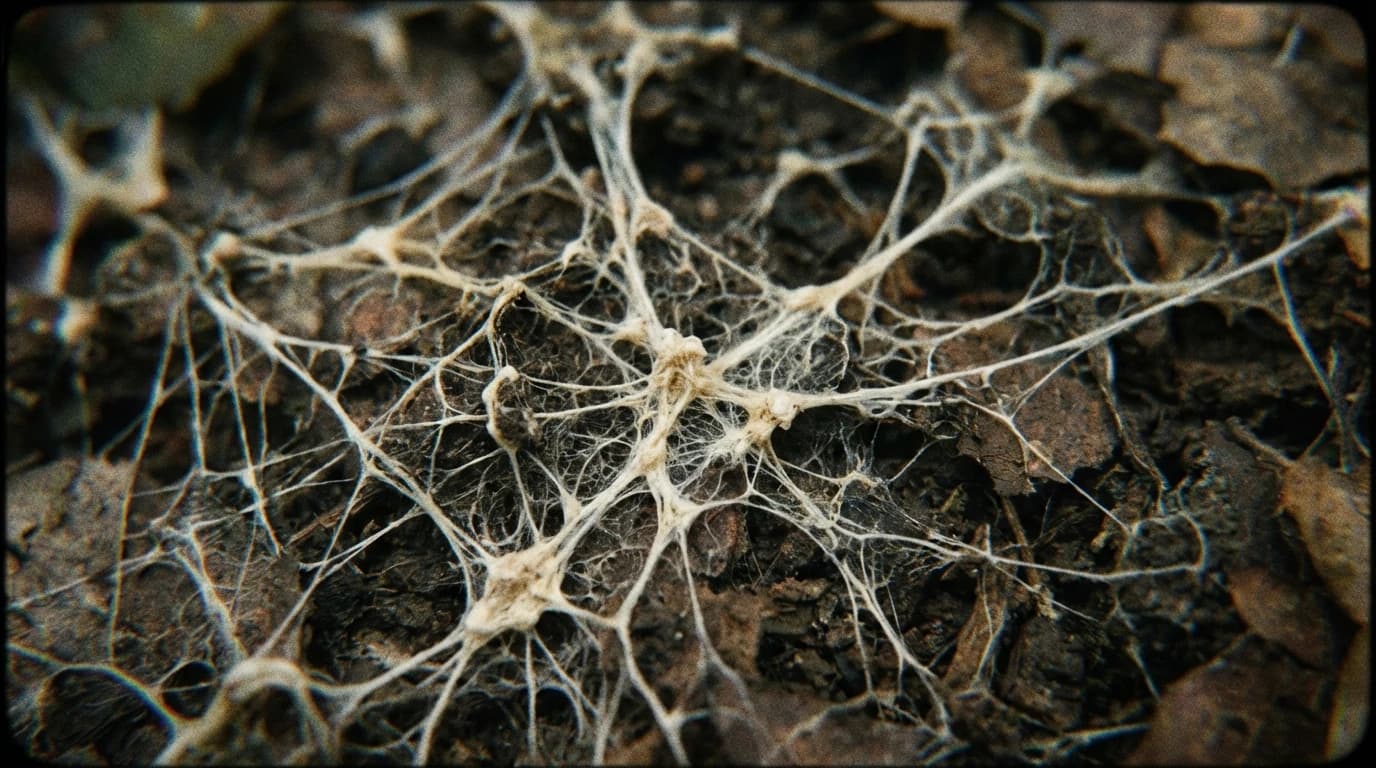
Imagine a grand library that has burned down. You decide to rebuild it. You construct the shelves, paint the ceiling, and fill the aisles with thousands of books. It looks magnificent. Yet, nobody visits. Why? Because you forgot the librarians. Without them, the books are just chaotic piles of paper; nobody can find what they need, and the system collapses.
This is precisely what happens in many conservation projects. We focus on the visible architecture—the trees, grasses, and shrubs—but ignore the invisible librarians underground. This review paper argues that microbial restoration is the missing link in recovering damaged ecosystems.
The mechanics of microbial restoration
For years, ecologists assumed that if you replanted the forest, the necessary bacteria and fungi would simply return on their own. Like magic. But this review highlights a stark reality: they often do not. Anthropogenic disturbance—human activity like mining or intensive farming—strips the soil of its biological memory. The natural recovery of these communities is not guaranteed, even after decades.
If the soil lacks these microscopic partners, then the plants cannot access nutrients. If the plants are starving, then the ecosystem fails to thrive. It is a domino effect. The study suggests that active intervention is required. We cannot just wait; we must reintroduce specific microbial teams.
Think of it like baking bread. If you just mix flour and water, you might get wild yeast, or you might get mould. But if you introduce a healthy sourdough starter, you guarantee a rise. The scientists propose doing exactly this for the soil.
The process works through a specific biological handshake:
- Inoculation: Scientists take soil from a healthy area or cultivate specific beneficial microbes.
- Application: This ‘living fertiliser’ is introduced to the damaged site.
- Connection: Fungi (mycorrhizae) physically attach to plant roots, extending their reach.
- Exchange: The fungi trade water and minerals for sugars produced by the plant.
Risks and unknowns
While the concept is promising, the authors emphasise that this is not a silver bullet. There are risks. If we introduce the wrong microbes, we might accidentally suppress native species or cause unforeseen imbalances. Furthermore, climate change complicates the picture; a microbe that helps a plant today might not survive the warmer soil of tomorrow.
The goal is to shift our logic. We must stop treating microbes as passive bystanders and start viewing them as the site managers. You would not build a skyscraper without an engineer; we should not rebuild a forest without its microbiome.