Chemistry & Material Science4 March 2026
Meet Boranils: The Customisable Glowing Molecules Redefining Chemistry
Source PublicationScientific Publication
Primary AuthorsMarde VS, Mishra AK.
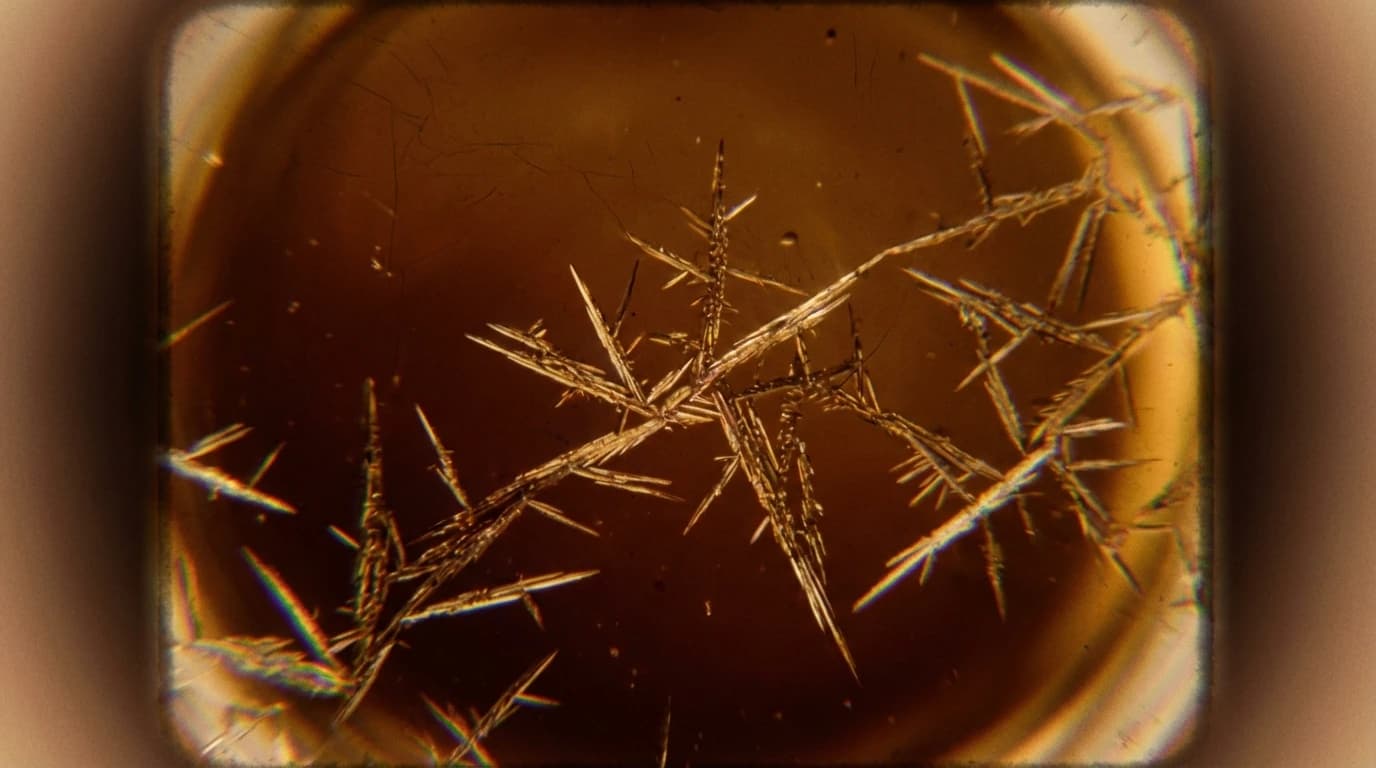
Imagine a smart LED bulb that you can physically snap different filters onto. Need a soft reading light? Add a frosted cover. Want a disco strobe? Snap on a colour wheel.
In the world of chemistry, a class of glowing molecules called boranils acts exactly like that customisable bulb. They are a specific type of boron-based dye that scientists can easily tweak to emit different types of light.
Boranils bypass this headache entirely. Researchers can synthesise a basic boranil molecule and then easily attach new chemical groups to it later. This process is known as 'postfunctionalisation', and it makes these molecules incredibly versatile.
The review measured several specific photophysical properties that scientists can now reliably adjust. These specific light behaviours include:
The review notes that these customisable molecules are already creating new opportunities. They show particular promise in material chemistry, advanced biomedicine, and photocatalysis.
If a medical researcher needs a dye that only glows when it attaches to a specific cellular target, boranils might provide the perfect blank canvas. That infinitely customisable lightbulb is about to make the microscopic world much easier to see.
In the world of chemistry, a class of glowing molecules called boranils acts exactly like that customisable bulb. They are a specific type of boron-based dye that scientists can easily tweak to emit different types of light.
Why Boranils Matter Right Now
For decades, chemists have searched for fluorescent dyes that are easy to build and modify. Many traditional glowing molecules are notoriously stubborn. If you want to change their colour or brightness, you often have to start building them again from scratch.Boranils bypass this headache entirely. Researchers can synthesise a basic boranil molecule and then easily attach new chemical groups to it later. This process is known as 'postfunctionalisation', and it makes these molecules incredibly versatile.
How Scientists Fine-Tune Boranils
A recent scientific review examined how chemists alter the structure of these molecules to change their light-emitting behaviour. By simply swapping out the chemical 'filters' attached to the core molecule, researchers can control exactly how it handles light.The review measured several specific photophysical properties that scientists can now reliably adjust. These specific light behaviours include:
- Intramolecular charge transfer (how electrons move within the molecule).
- Aggregation-induced emission (how the dye glows brighter when molecules clump together).
- Circularly polarised luminescence (how the emitted light twists in a specific direction).
The Future Illuminated
This structural flexibility suggests that boranils could soon become essential tools across multiple scientific disciplines. Instead of relying on a limited catalogue of standard dyes, researchers can custom-build the exact fluorescent tag they need.The review notes that these customisable molecules are already creating new opportunities. They show particular promise in material chemistry, advanced biomedicine, and photocatalysis.
If a medical researcher needs a dye that only glows when it attaches to a specific cellular target, boranils might provide the perfect blank canvas. That infinitely customisable lightbulb is about to make the microscopic world much easier to see.