Marine heatwaves: Seagrass biochemical integrity risks collapse under thermal stress
Source PublicationMarine Pollution Bulletin
Primary AuthorsStipcich, Soru, Ceccherelli et al.
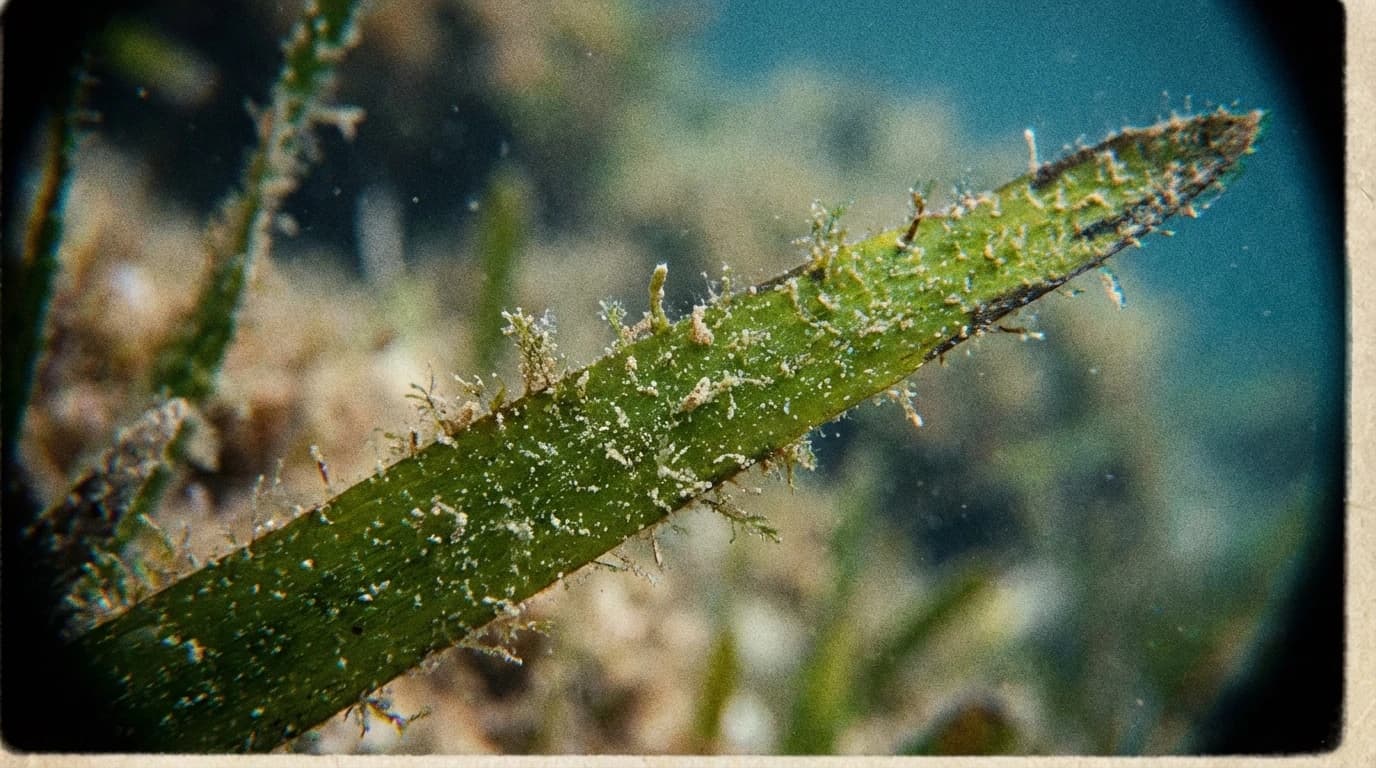
Researchers posit that deep-water seagrasses undergo significant biochemical shifts when exposed to warmer waters. Yet, verifying this in the field has historically proved difficult due to the challenge of isolating temperature from other variables without physically disturbing the subject.
Marine heatwaves and the methodology trap
The study focuses on Posidonia oceanica, a Mediterranean endemic species often found below the summer thermocline. As marine heatwaves increase in frequency, this protective thermal boundary deepens, exposing these plants to unaccustomed heat. The team utilised a field manipulation experiment to simulate this deepening. They measured proteins, water-soluble carbohydrates, and lipids to gauge metabolic response.
A critical technical distinction exists between the stress of translocation (mechanical) and the stress of the environment (thermal). In standard observational studies, the subject remains passive and undisturbed. Here, the researchers physically moved the shoots to simulate depth changes. The text admits that "mechanical and handling stress... produced significant effects on almost all the investigated biochemical variables." This creates a noisy dataset. We must separate the immediate shock of the 'move' from the sustained pressure of the 'heat'. While the handling stress was pervasive, the study maintains that the simulated thermocline deepening triggered distinct, short-term metabolic responses affecting carbon storage.
Implications for the food web
The altered biochemistry suggests consequences beyond the plant's own survival. Changes in caloric content mean the energy available to herbivores may fluctuate. If the nutritional value of P. oceanica drops or shifts, the effects could propagate through the trophic web. The data indicates that thermal stress does not merely threaten the seagrass; it potentially destabilises the energy flow of the entire ecosystem.