Mapping the Two-Engine Architecture of Euonymus chloranthoides organellar genomes
Source PublicationSpringer Science and Business Media LLC
Primary AuthorsYang, Chen, Li et al.
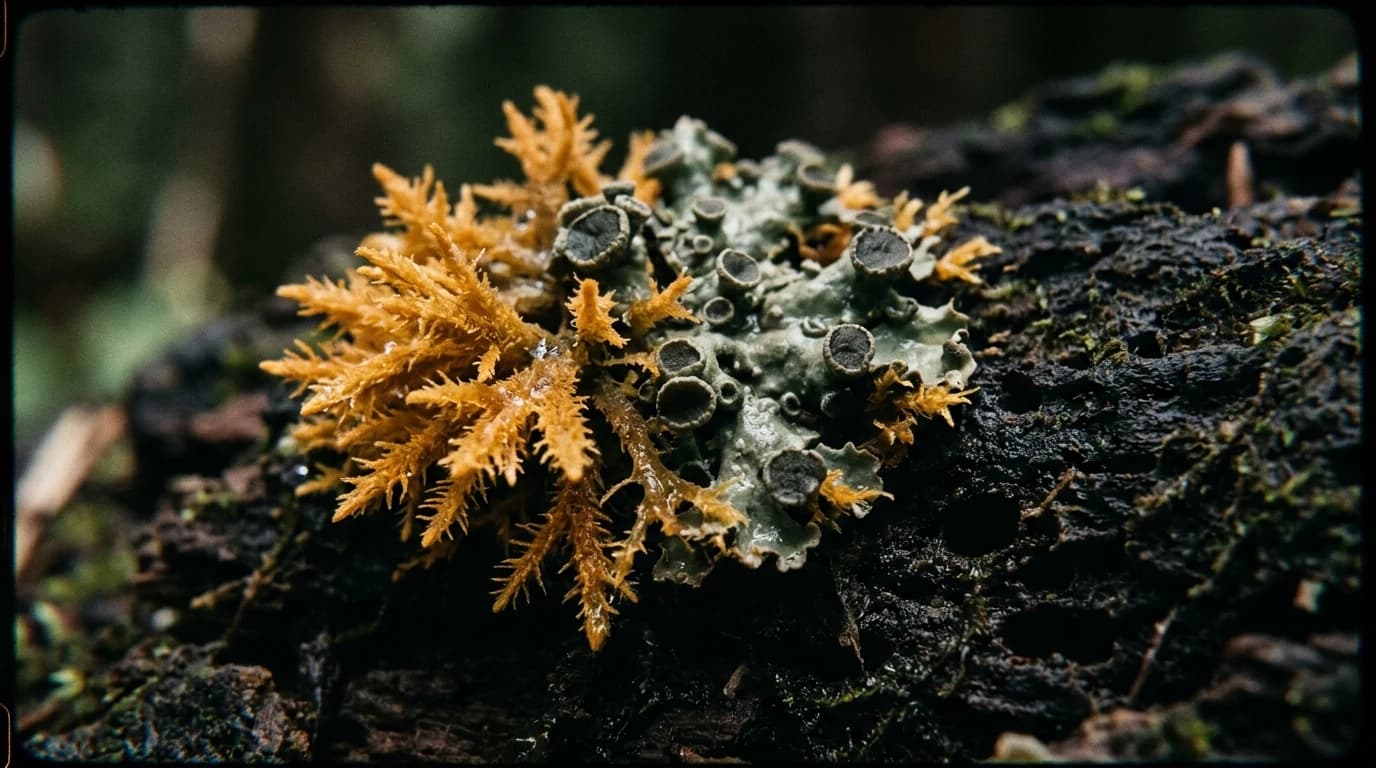
The Architecture of Euonymus chloranthoides organellar genomes
Imagine your house runs on two distinct power sources: a sleek, mass-produced solar panel on the roof and a massive, custom-built steam engine in the cellar that you constantly rewire. In the plant Euonymus chloranthoides, these are the chloroplast and the mitochondrion. Early-stage research, currently awaiting peer review, has finally mapped these internal power plants.
Plants carry separate DNA in their energy-producing centres. While the nucleus gets the fame, these organellar genomes dictate how a plant breathes and eats. Scientists recently assembled these maps for E. chloranthoides, a member of the Celastraceae family, to see how they differ from their relatives.
The study measured a lean, efficient chloroplast genome of 157,967 base pairs. In contrast, the mitochondrial genome is a sprawling 968,269 base-pair giant. This larger system appears far more chaotic, consisting of six different segments that may frequently swap parts through recombination.
The preliminary data suggests a high level of interaction between these two engines:
- 11 DNA segments recently jumped from the chloroplast to the mitochondria.
- Over 500 'editing' sites exist where the plant modifies its mitochondrial RNA.
- Three specific DNA repeats show a 50% chance of rearranging the genome structure.
This characterisation provides a vital resource for plant biologists. It suggests that while the chloroplast remains stable, the mitochondrial genome is a dynamic, shifting entity. If confirmed by peer review, these findings will help botanists organise the evolutionary history of the Celastraceae family and understand how these plants adapt to their environments.