Mapping Methylphenidate Brain Effects: How ADHD Drugs Alter Male and Female Synapses Differently
Source PublicationNeurochemical Research
Primary AuthorsSoares-Couto, Sá, Costa et al.
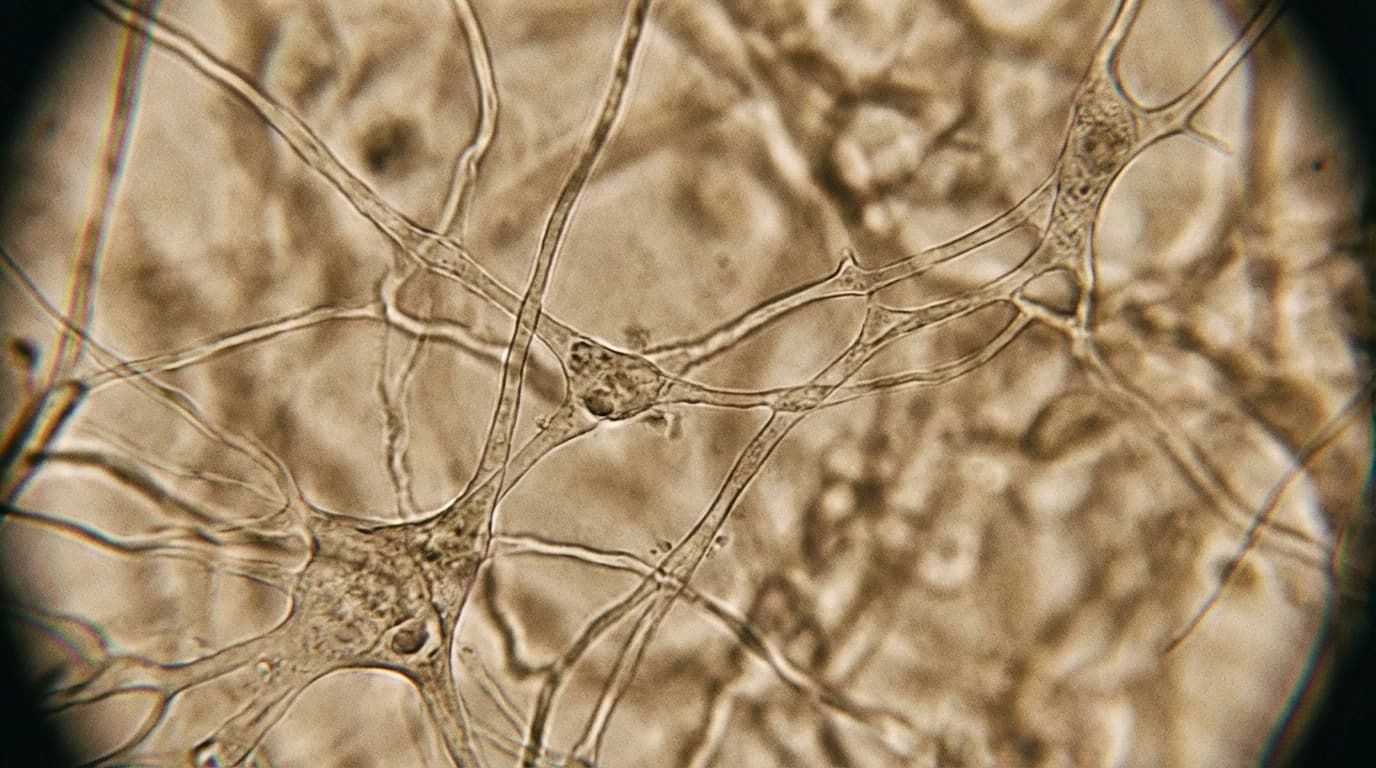
Decoding Methylphenidate Brain Effects in Developing Networks
Scientists have successfully quantified how early exposure to ADHD medication alters specific synaptic proteins, revealing stark sex differences. Mapping these methylphenidate brain effects has traditionally proven difficult. Historically, researchers struggled to isolate these variables because older methods relied heavily on broad behavioural observations or grouped male and female subjects together, masking distinct molecular reactions.
Methylphenidate remains the first-line pharmacological treatment for Attention Deficit Hyperactivity Disorder. However, rising rates of misdiagnosis and recreational misuse mean many healthy young brains encounter the drug unnecessarily. This raises serious clinical questions about off-target consequences for healthy neural architecture.
Medical science requires exact data on how clinical doses influence synaptic plasticity and neuronal growth during early development. The old standard of simply observing hyperactive behaviour fails to capture what happens to the physical structure of a developing brain. By moving from the observation room to the cellular level, scientists can now track exact structural changes.
Measuring Molecular Shifts
Investigators administered clinically relevant oral doses of methylphenidate to young Wistar-Kyoto rats over 15 days. They then measured levels of key structural proteins—including GAP43, PSD-95, and synaptophysin—across five distinct brain regions. They utilised Western blot and immunohistochemistry techniques to achieve a high degree of precision.
This targeted molecular mapping provides a sharp contrast against older pharmacological assumptions. The data reveals that the drug impacts the structural proteins of males and females in entirely different ways.
- In males, the drug reduced GAP43 in the cerebellum and synaptophysin in the hippocampus, proteins associated with neural growth.
- Conversely, males showed increased PSD-95 and GAPDH in the striatum and diencephalon.
- Females exhibited only one significant change: a decrease in PSD-95 within the prefrontal cortex.
What the Data Suggests and What Remains Unknown
These measurements suggest that healthy brains respond to the stimulant in a highly sex-dependent manner. The divergent protein alterations could mean the drug forces male and female neural networks to adapt using entirely different structural pathways. Such findings indicate why future pharmacological research must treat biological sex as a primary variable, rather than an afterthought.
Despite these precise measurements, this specific study does not solve the fundamental translation gap between rodent neurology and human cognitive development. We still do not know if a temporary dip in a specific rat protein correlates to a meaningful cognitive deficit in a human child. Furthermore, the researchers only looked at healthy brains, meaning the findings cannot definitively predict how a brain with an actual ADHD pathology would react.
Additionally, while the researchers measured transient protein fluctuations at postnatal day 30, they did not track long-term outcomes. The scientific community still lacks definitive proof regarding whether these molecular shifts lead to permanent behavioural changes in adulthood. Until longitudinal human trials replicate these cellular findings, clinical applications remain strictly theoretical.