Machine Learning Maps the Genetic Code of a Renal cell carcinoma tumor thrombus
Source PublicationSpringer Science and Business Media LLC
Primary AuthorsMao, Ramirez, Wang et al.
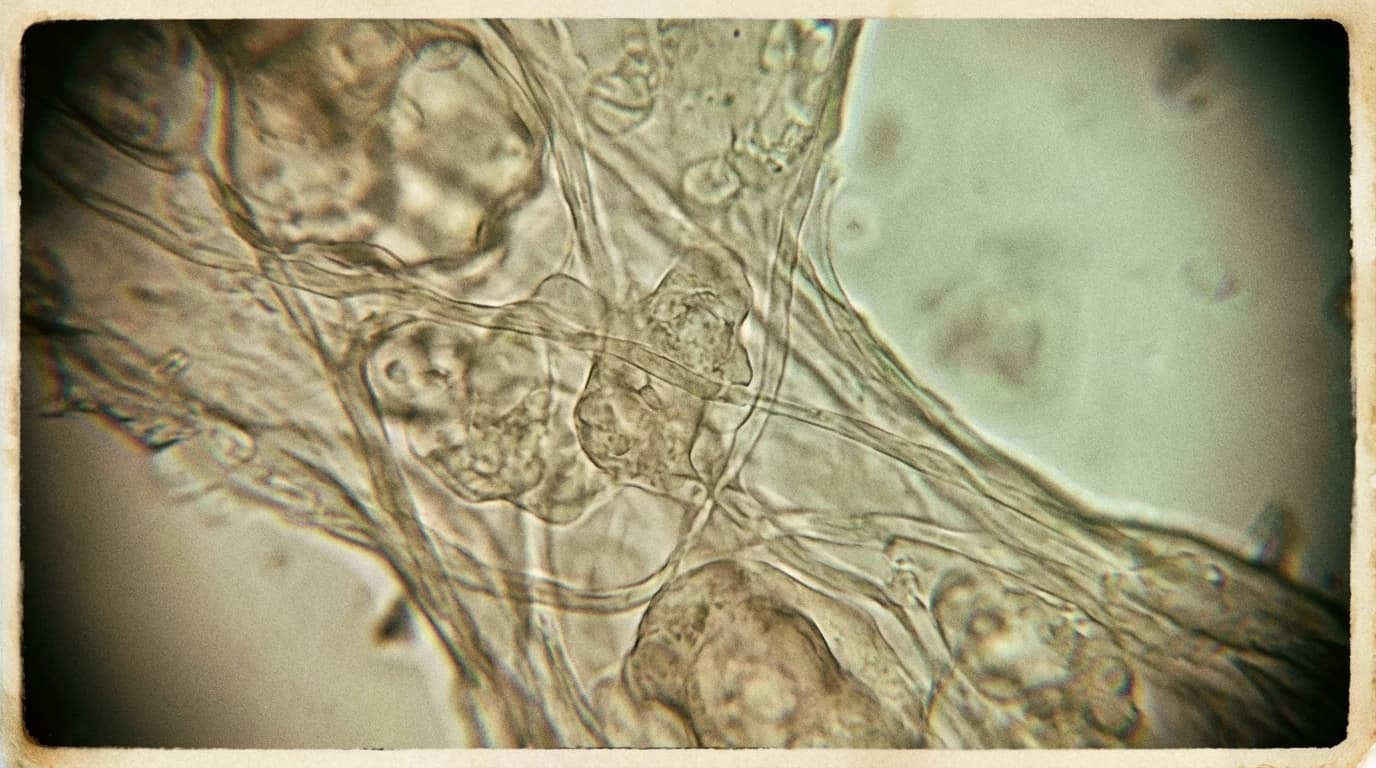
For years, oncologists have struggled to predict exactly why some kidney cancers aggressively invade nearby blood vessels. This dangerous complication, known as a renal cell carcinoma tumor thrombus, severely worsens patient outcomes. Now, a preliminary study introduces a machine learning approach that finally maps the genetic machinery driving this vascular invasion.
The Danger of a Renal cell carcinoma tumor thrombus
When kidney cancer spreads into the veins, it forms a solid mass called a tumour thrombus. This physical extension into the bloodstream is associated with aggressive behaviour and poor clinical outcomes for patients.
Until now, the specific molecular changes that push a standard tumour to become a venous extension remained largely undefined. Clinicians lacked a reliable way to anticipate this behaviour before it happened. By analysing RNA sequencing data from 721 samples, researchers aimed to find the exact genetic differences between standard tumours and those that invade veins.
Machine Learning Meets Genomics
The research team examined three independent groups of patients, looking at the primary tumour, the tumour thrombus, and normal kidney tissue. Because this is an early-stage abstract, the findings represent preliminary, though highly promising, data that requires further validation.
Using artificial intelligence models, the scientists measured 6,317 differentially expressed genes across the samples. They then applied advanced algorithms, including random forest and XGBoost, to distil this massive dataset. The result was a highly accurate 13-gene panel that successfully distinguished standard tumours from those with venous extensions.
The study measured specific biological shifts in the aggressive cells, which included:
- A loss of standard cellular identity in the distal epithelial tissue.
- Significant disruptions to normal cellular ion transport pathways.
- An abnormal increase in mitochondrial activity, specifically oxidative phosphorylation.
Predicting the Next Decade of Treatment
So, what does this mean for the next five to ten years of oncology? If validated by subsequent clinical trials, this 13-gene panel could fundamentally alter how we organise kidney cancer treatment.
Currently, anticipating a renal cell carcinoma tumor thrombus before it develops remains a significant challenge. In the near future, clinicians might sequence a standard biopsy and use this genetic signature to predict the likelihood of a tumour spreading into the veins.
This predictive capability suggests a shift toward proactive intervention. Identifying high-risk patients earlier could inform future translational strategies aimed at mitigating the vascular extension before it progresses.
Furthermore, the biological pathways identified in this abstract offer newly defined targets for drug development. By understanding that these aggressive cells rely heavily on specific mitochondrial processes, pharmaceutical researchers can explore therapies that deliberately target that energy supply.
Over the next decade, these insights could help refine targeted treatments. Instead of relying solely on broad-spectrum approaches, future translational strategies might be tailored to the exact molecular weaknesses of the tumour. Merging artificial intelligence with genomic profiling will likely move from experimental research to standard clinical practice, giving doctors the precise tools they need to anticipate and mitigate aggressive cancers.