Is Your Knee a Toxic Warehouse? Lipid Metabolism in Osteoarthritis Explained
Source PublicationWorld Journal of Orthopedics
Primary AuthorsZhang, Liu, Wang et al.
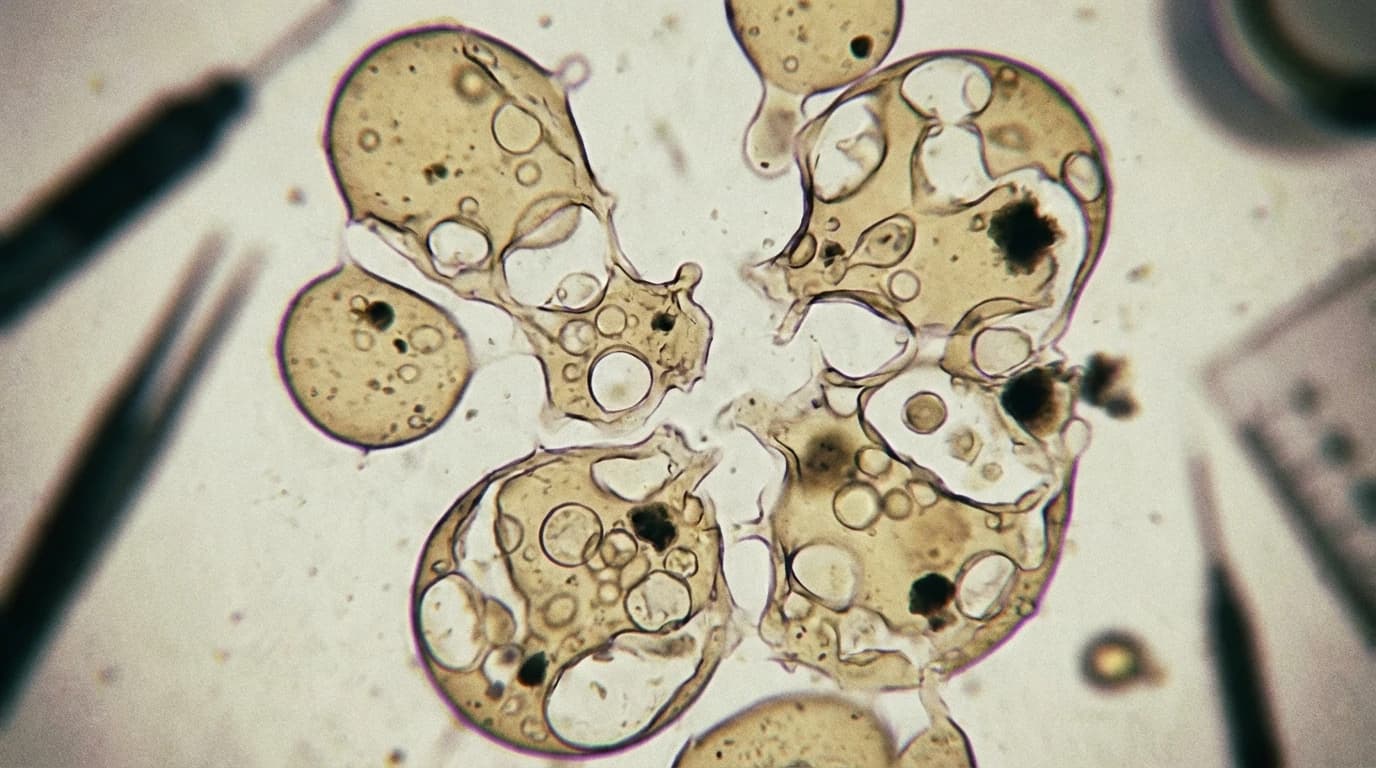
The Warehouse That Never Sleeps
Imagine a massive logistics centre. In a perfect world, trucks arrive, cargo is neatly stacked on shelves, and goods are shipped out when needed. It is a quiet, orderly operation. But picture a scenario where the deliveries never stop. The trucks keep coming. The shelves buckle under the weight. Boxes spill into the aisles, blocking the exits.
Eventually, the warehouse workers panic. They stop managing the inventory and start shouting for help, throwing boxes out of the windows just to clear space. The entire neighbourhood becomes a mess.
This is, essentially, what happens in your body when fat cells malfunction. For decades, scientists viewed adipose tissue (body fat) as a silent storage unit—inert cargo that just sat there. We were wrong. Fat is actually a chatty, biological organ. It constantly sends messages to the rest of the body. When the system gets clogged, those messages turn nasty.
The Role of Lipid Metabolism in Osteoarthritis
The source text identifies a specific mechanical failure: lipid metabolism in osteoarthritis. This refers to how your body creates, stores, and burns fatty acids. In a healthy joint, there is a balance between synthesis (building fat) and catabolism (burning fat).
However, when this balance tips, the 'warehouse' becomes toxic. The review highlights that adipose tissue acts as an endocrine organ. It secretes proteins called adipokines, such as leptin. If lipid metabolism is working correctly, these signals regulate energy. If it is disordered, the fat tissue pumps out inflammatory signals instead.
Think of it as a chain reaction:
- If the fatty acid metabolism is dysregulated, then the fat cells become stressed.
- If the cells are stressed, then they secrete aggressive adipokines.
- If these adipokines reach the joint, then they attack the cartilage, accelerating the breakdown of the knee or hip.
The joint destruction isn't just wear and tear; it is a chemical attack launched from the body's own supply lines.
Plant Compounds as the Clean-up Crew
So, how do we calm the panic in the warehouse? The review suggests that bioactive phytochemicals—compounds found in plants—might act as the new management team. Substances like curcumin (from turmeric), resveratrol (from grapes), and green tea polyphenols appear to have the ability to regulate this chaotic metabolism.
These compounds do not just mask the pain. They seem to intervene at the source. By helping to rebalance the way cells handle fatty acids, they may stop the fat tissue from screaming inflammatory orders at the cartilage. While this is a review of existing data rather than a new clinical trial, it points toward a future where treating arthritis might involve fixing the body's logistics system, not just patching up the damaged building.