Inside the VIP Club: How Science is Beating Primary central nervous system lymphoma
Source PublicationJournal of Oncology Pharmacy Practice
Primary AuthorsHamoud, Samperio, Codreanu et al.
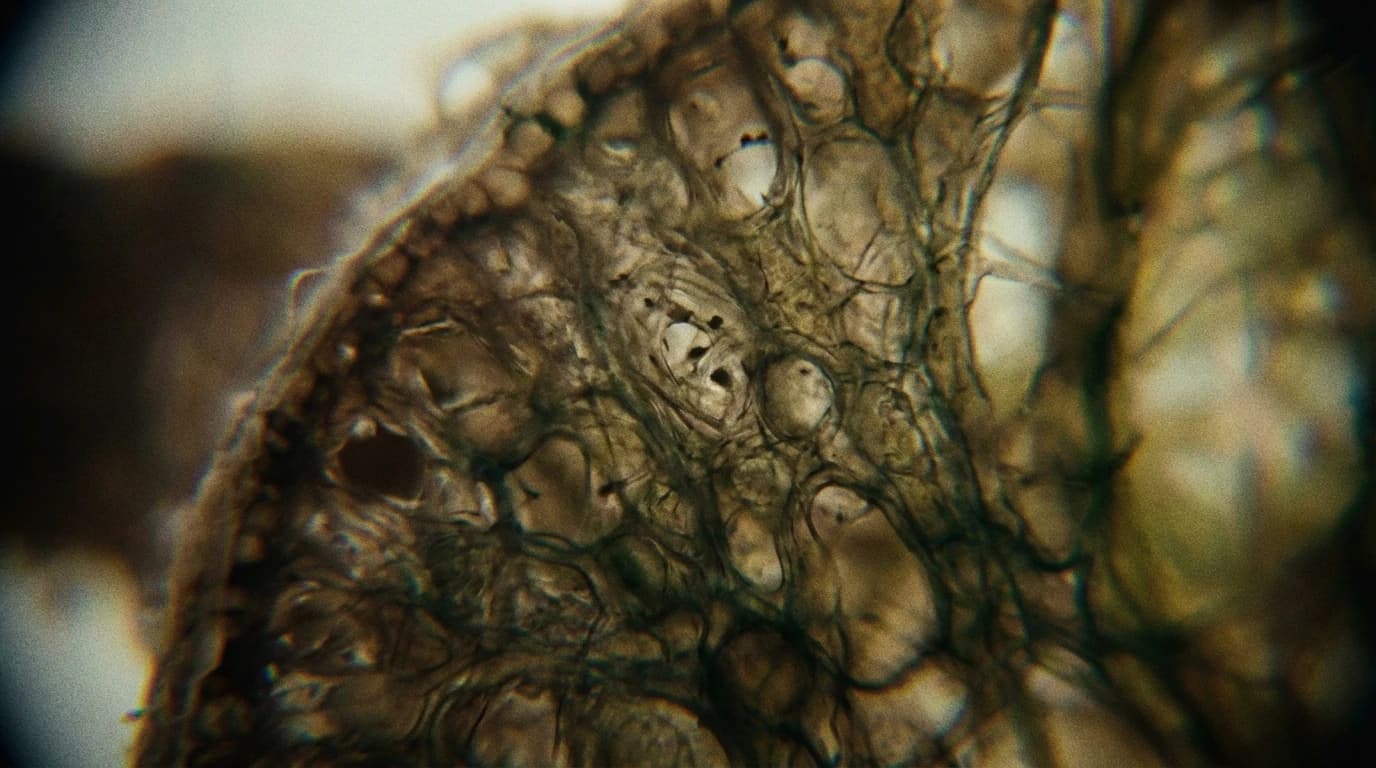
Imagine your brain is an exclusive VIP nightclub. The blood-brain barrier is the ultimate, unbribable bouncer, keeping out toxins and dangerous infections.
But what happens when trouble starts inside the club? That is the exact challenge with Primary central nervous system lymphoma.
This rare, aggressive cancer originates right inside your brain, spinal cord, or eyes. Because the bouncer is so exceptionally good at its job, getting standard cancer drugs inside to break up the fight is incredibly difficult.
The challenge of treating Primary central nervous system lymphoma
For years, oncologists have struggled to manage this specific tumour. When they do manage to sneak drugs past the barrier, the cancer often shrinks quite quickly.
But there is a catch. The rogue cells are notoriously stubborn, and the disease frequently returns to cause more damage.
Doctors have lacked a universally agreed-upon way to keep the club peaceful long-term. They need a reliable strategy that not only clears the room but keeps the troublemakers from coming back.
Reviewing the modern strike team
A recent comprehensive review looked at over two decades of clinical trials and patient data. Researchers evaluated how well modern drug combinations actually perform against the disease.
They measured the success of a heavy-hitting drug called high-dose methotrexate, often paired with an antibody called rituximab. The data showed that this specific combination acts like a highly specialised strike team.
It successfully crosses the barrier and forces the cancer into remission. To keep the disease away, doctors follow up with consolidation tactics. These include:
- Low-dose radiation to the whole brain.
- Stem cell transplants using the patient's own cells.
- Ongoing maintenance therapies to prevent relapse.
Personalised defence for long-term health
The review highlighted a 76-year-old patient who achieved a remission lasting over seven years. This suggests that with the right drug combination, long-term control is entirely possible.
This analysis clarifies that there is no one-size-fits-all approach. Treatment must be highly personalised from the very start.
Doctors should tailor the strike team based on the patient's age, fitness, and how well they respond to the initial drugs. While the cancer remains tough to treat, these optimised combinations mean a durable cure could be within reach for select patients.