How Time Changes Volcanic Island Ecosystems: Nature's Secret Laboratories
Source PublicationScientific Publication
Primary AuthorsVolk, Jagani, Pandey et al.
"Think of a volcanic island like a new block of flats. At first, it is bare and only tough residents move in. Over thousands of years, residents renovate and create highly specialised rooms, much like how old volcanic soil creates unique homes for rare plants."
Have you ever watched hot lava cool down into hard, black rock and wondered how anything could ever grow there? It seems impossible! Yet, over thousands of years, barren rock turns into a lush, green forest.
But do all volcanic island ecosystems grow up the same way? Let's find out!
The Age of the Ground
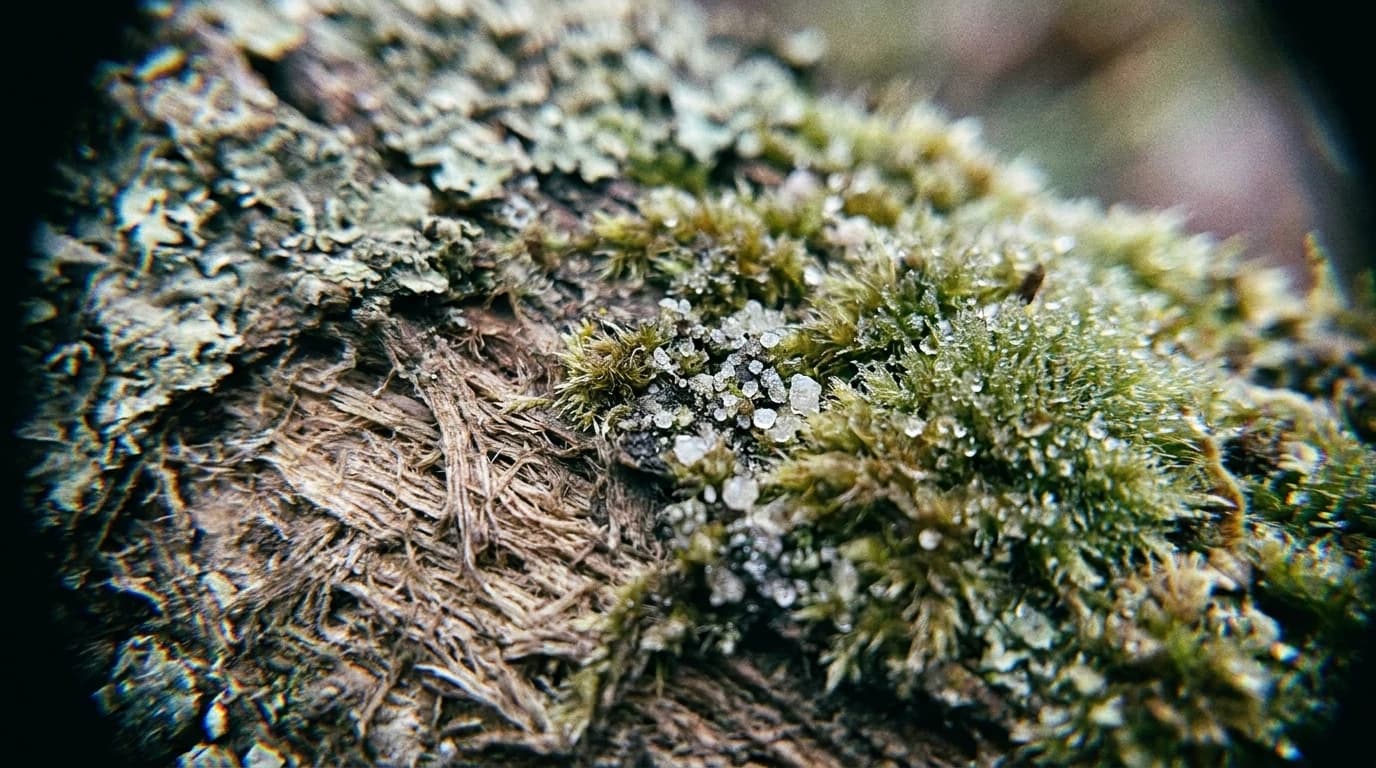
Scientists know that plants slowly move onto new lava flows. When lava first cools, it is tough and unforgiving. Only the bravest pioneer plants, like small ferns and lichens, can survive. As they live and die, they slowly break down the rock into soil. But what happens after 10,000 or even 500,000 years? Does the age of the ground still matter long after the trees have grown?
To answer this, researchers went to La Palma in the Canary Islands. La Palma is a perfect natural laboratory. The southern part of the island is volcanically active, with its last eruption in 2021. The northern part has been quiet for over 560,000 years. The team used aeroplanes with special laser scanners to measure the vertical structure of the forests. They also mapped out 102 different plots of land to count every single plant across two different types of forests.
How Volcanic Island Ecosystems Work Like a Block of Flats
Imagine a brand-new block of flats. At first, the walls are bare. Only a few tough residents move in with basic furniture. This is like young volcanic rock. Over thousands of years, the building weathers. Residents decorate, renovate, and create highly specialised rooms. This is like the old volcanic soil.
The older the ground, the more time nature has to build unique, comfortable homes for rare plants. The environment changes from a basic shelter into a highly customised habitat.
Different Forests, Different Rules
The scientists found that in the Fayal-Brezal forest, the older ground had a totally different mix of plants compared to the younger ground. It also supported more unique species found nowhere else on Earth. The plants literally changed their community structure based on the age of the dirt beneath them.
However, the Canary pine forest did not show these differences. The pine trees grew differently based on the weather and height above sea level, but the age of the soil did not change which plant species lived there.
Why Old Dirt Matters
This study measured clear differences in plant life across different soil ages. It suggests that the age of the ground influences how forests develop, but the effect depends on the specific type of forest. Because older ground can support rare plants, researchers think we should prioritise protecting these ancient soils. They could be secret safe havens for Earth's rarest species.