How the New Human Proteome Map Will Shape Your Future Medical Career
Source PublicationNature
Primary AuthorsYue, Jiang, Li et al.
"If DNA is the architectural blueprint of a house, the human proteome map is the real-time inventory of every brick, pipe, and lightbulb actually installed and operating in the building."
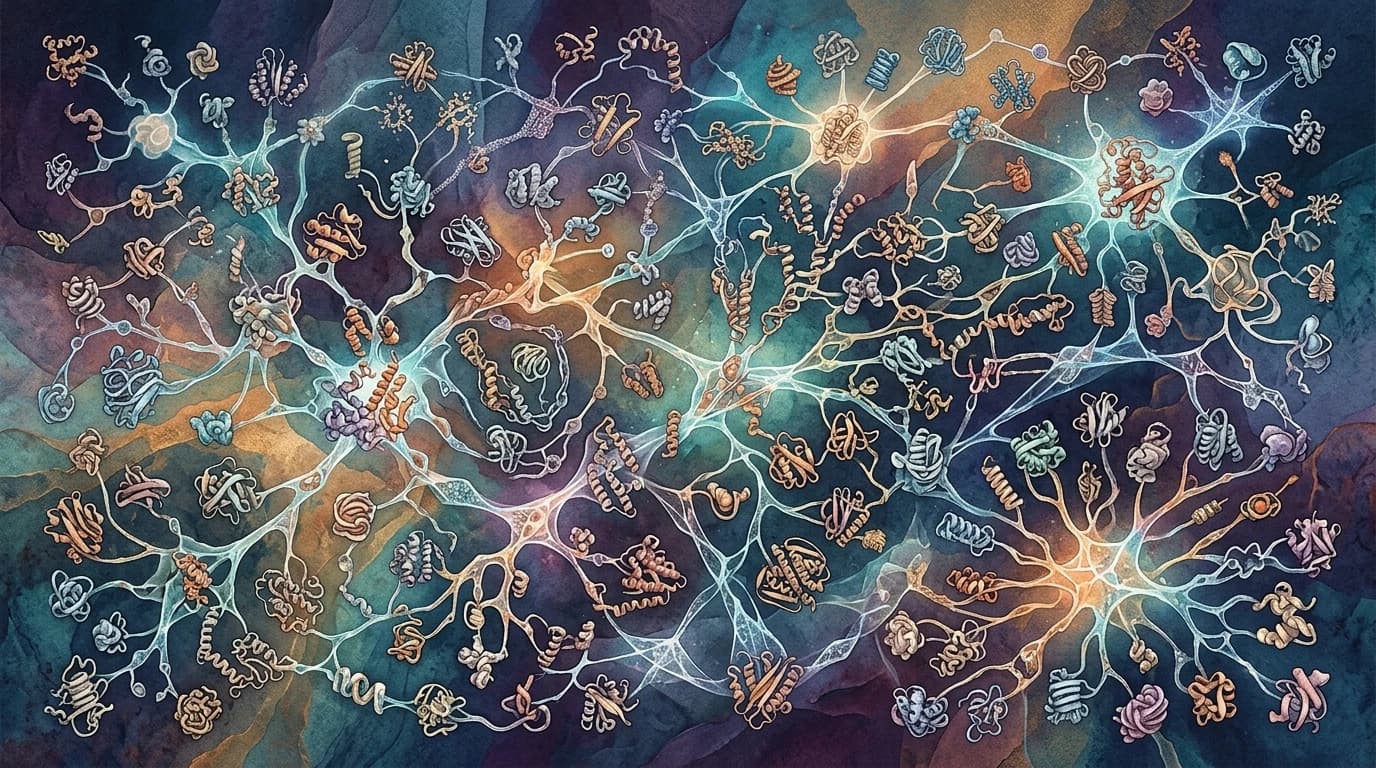
Navigating the Human Proteome Map
Imagine a medical career where you do not just treat symptoms, but navigate the complex molecular landscapes of disease. This future relies on the newly published human proteome map, a comprehensive, lab-based index of the proteins that build and run our cells.
These results were observed under controlled laboratory conditions, so real-world performance may differ.
How the Human Proteome Map Decodes Disease
While DNA provides the genetic blueprint, proteins do the actual work in our bodies. In this laboratory study, researchers analysed more than 13,000 proteins across 2,856 samples using mass spectrometry, spanning 58 tissue types and 25 distinct cancers. By tracking these molecules, the study maps how proteins change from fetal development to healthy adulthood and tumour growth.
Future Careers in Molecular Data
This dataset suggests new pathways for medical science. The quantitative data could help researchers:
- Identify candidate drugs for repurposing against cancer.
- Predict organ-specific toxicity before clinical trials.
- Prioritise therapeutic targets for specific tumours.
When today's high school students graduate university, the medical sector will require professionals who can organise and analyse this molecular data. Studying biochemistry, data science, or quantitative biology now will position you to help navigate these vast proteomic resources and guide future clinical discoveries.