How Tetrapod Metamorphosis Evolution Reshapes Our Understanding of Life's Adaptations
Source PublicationScience
Primary AuthorsPardo, Mann
"Like upgrading a device's software directly at the factory rather than sending a massive, system-rewriting update halfway through its lifespan."
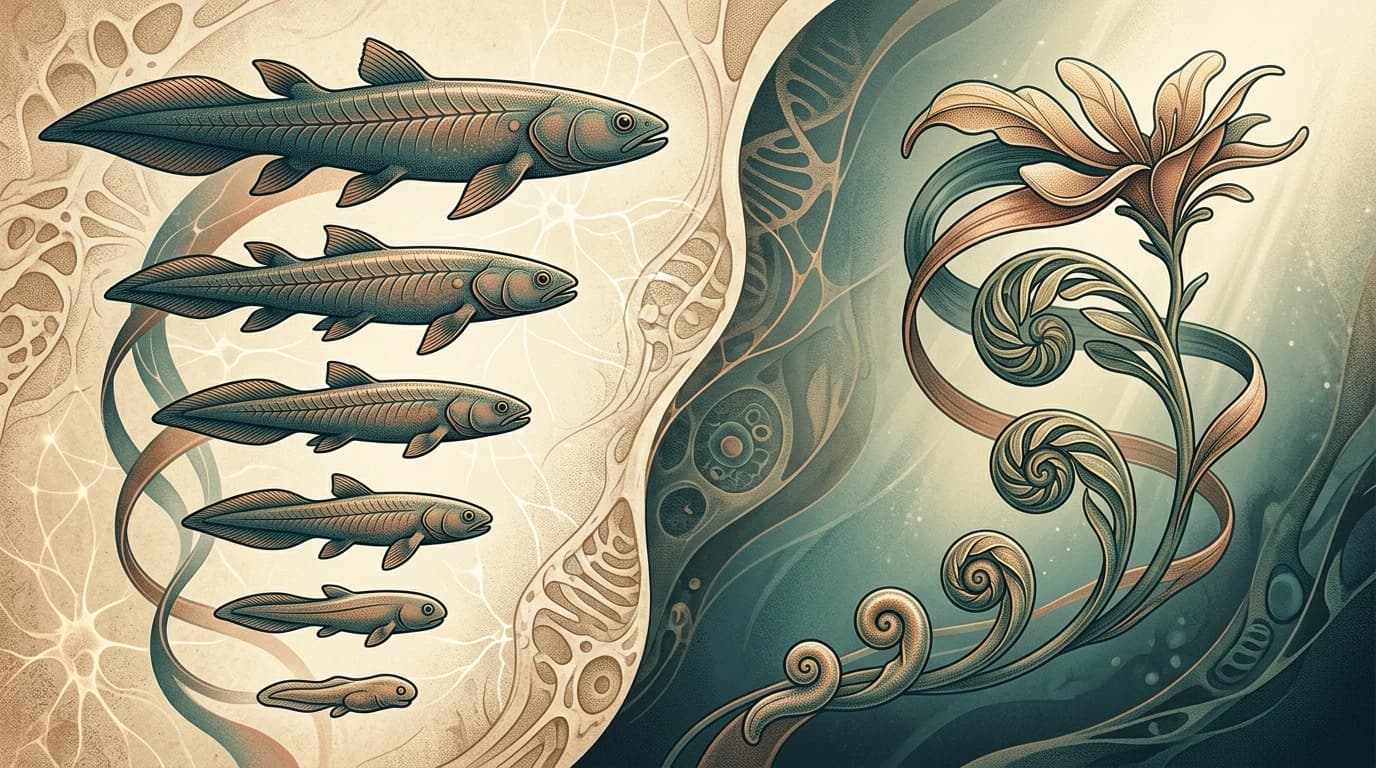
Imagine a world where we can map the entire history of how animals grow and adapt to extreme environments. This future relies on understanding the deep evolutionary pathways that shaped the first land-dwelling creatures.
These results were observed under controlled laboratory conditions, so real-world performance may differ.
For decades, scientists assumed early land-dwelling vertebrates transitioned from water to land via a larval stage. New research into tetrapod metamorphosis evolution has overturned this long-held assumption.
Researchers analysed exceptionally preserved stem tetrapod hatchlings and identified tissue evidence of direct development. While limited to these specific fossil specimens, the evidence indicates these ancient creatures hatched as miniature adults rather than undergoing metamorphosis.
Future Careers and Tetrapod Metamorphosis Evolution
This discovery suggests that metamorphosis is not an ancestral default, but a specialised adaptation that evolved later. By the time you graduate college, evolutionary biologists and palaeo-researchers will use these insights to model how species adapt to radical environmental shifts.
To lead this field, focus on mastering computational palaeontology and evolutionary developmental biology. Acquiring these skills now will prepare you to decode the complex history of life on Earth.