How radiation RNA sequencing exposes hidden cellular shifts
Using long-read sequencing on human blood cells exposed to X-rays, researchers detected changes in alternative RNA messages that standard gene-level counts miss entirely.
Reading level
The full story with proper science words explained.
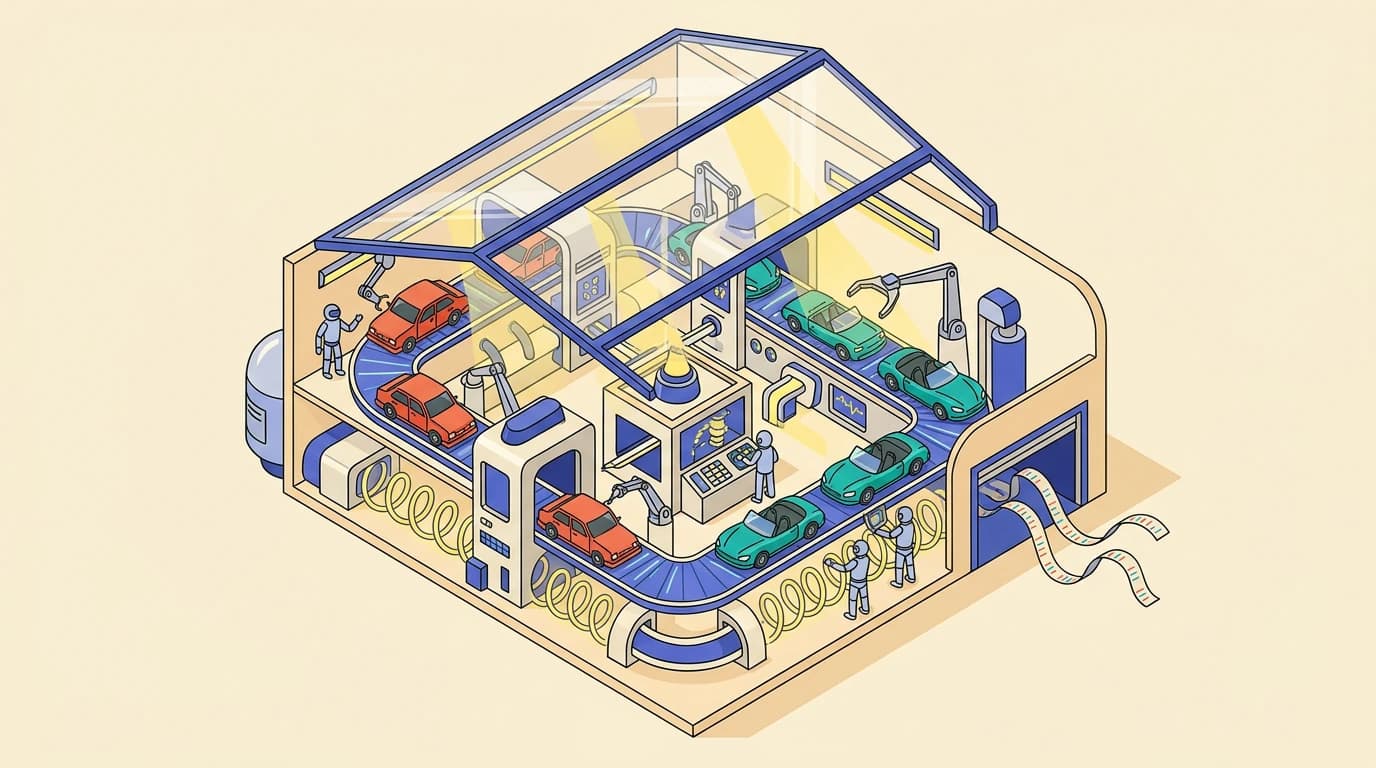
Reading entire molecular messages
What happens inside your blood cells just hours after a blast of radiation? To find out, researchers drew blood from three healthy human donors and targeted their leukocytes, or white blood cells. They zapped these cells outside the body with 4 Gy of X-rays or left them sham-irradiated with 0 Gy as a control.
Instead of relying on standard methods that chop genetic messages into tiny bits, the team used long-read RNA sequencing. This method scans entire, continuous RNA strands at once. It allowed researchers to perform radiation RNA sequencing that reveals not just which genes are active, but the exact spliced versions of the messages they produce.
The hidden reshuffle
Looking only at whole genes paints an incomplete picture. Standard gene-level analysis simply does not capture isoform-specific regulation or the shifted transcript usage sparked by radiation. A gene might produce the exact same total amount of RNA while swapping its active recipes for completely different versions.
Six hours after exposure, the team saw this reshuffle firsthand. While 117 genes ramped up production and 66 dialed down, transcript analysis caught 102 upregulated and 17 downregulated isoforms. For instance, the immune gene IL32 seemed completely unchanged when counted as a single gene. Yet two of its specific transcript isoforms climbed significantly. Other genes, including WDR74 and ITM2B, changed which versions they favoured. The team even discovered entirely new candidate isoforms, such as one from FBXO22 with an altered protein domain architecture.
What we still don't know
Spotting these precise shifts could improve biodosimetry, which estimates absorbed radiation doses to monitor immune health. However, this study only tested blood from three donors at a single radiation dose and one six-hour mark. We do not yet know how these transcripts behave across different doses or longer timeframes, and the new candidate isoforms still need functional laboratory tests.
Science words
- Leukocytes
- White blood cells that help protect the body and react to cellular damage.
- Sham-irradiated
- Treated as an experimental control by going through identical handling without receiving any radiation.
- Long-read RNA sequencing
- A technique that reads full, continuous RNA molecules in one piece rather than fragmenting them.
- Transcript isoform
- Different variations of RNA copied from the same gene via alternative splicing.
- Biodosimetry
- Using biological markers to measure the amount of radiation a person has absorbed.
Check it yourself
This story is based on a real research paper in BMC Genomics by Salah, Schmidberger, Marini et al. We write with AI help and check it against the paper, but the original is the final word.