How nanoplastics breach brain defences and trigger cell damage in lab models
A review of lab studies shows that tiny plastic specks can cross the blood-brain barrier, stress neural cells, and link to cognitive deficits.
Reading level
The full story with proper science words explained.
Past the brain's border
Your brain relies on a tight border of blood vessel cells. This wall, called the blood-brain barrier, stops harmful waste in blood from reaching delicate tissue. Yet lab tests show that tiny specks known as nanoplastics can slip past or weaken this wall. Once inside, they build up in brain tissue. These specks touch nerve cells, helper cells, and brain blood vessels.
Stressing the power plants
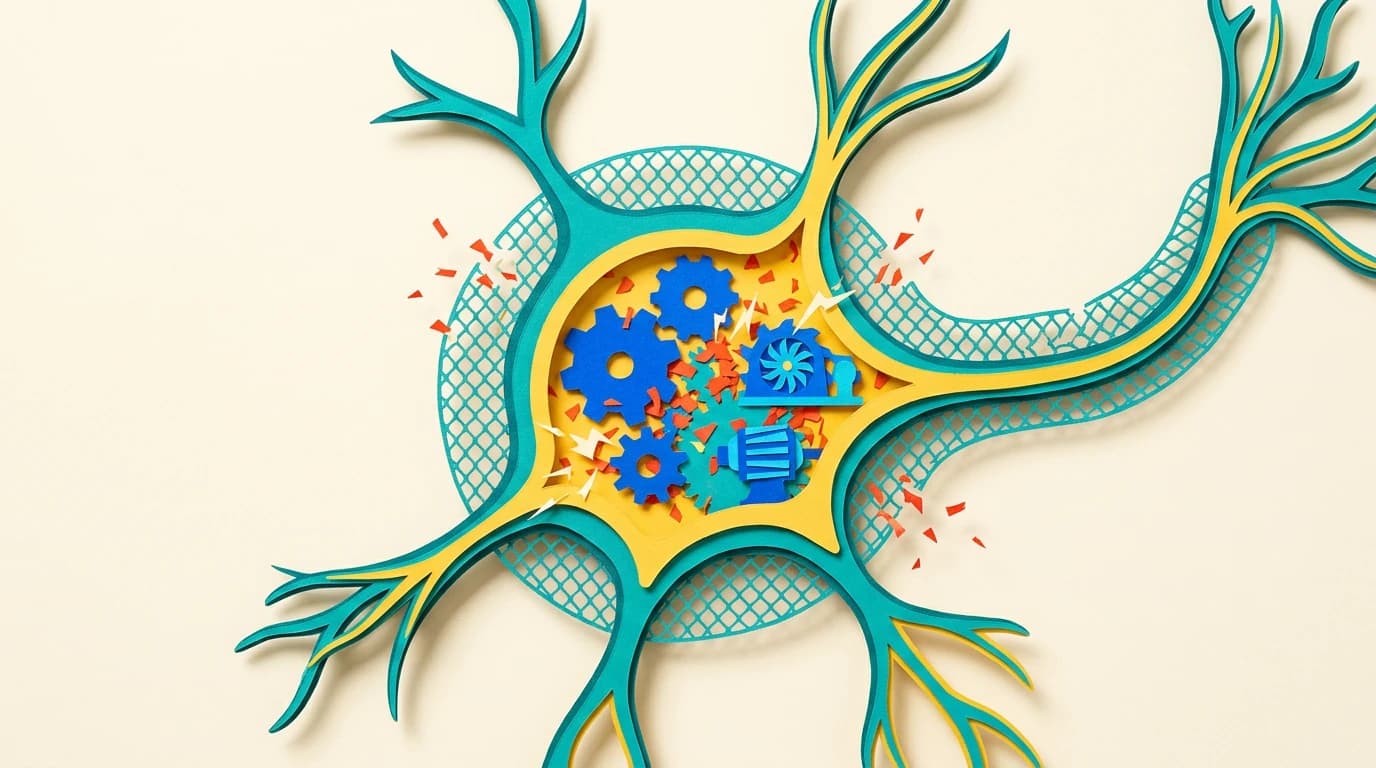
Think of nanoplastics as fine grit that slips through a guarded gate. Inside, they clog the engines of a high-tech plant. In brain cells, these plastic specks trigger oxidative stress, an imbalance of harsh oxygen byproducts. They also damage mitochondria, the tiny parts inside cells that supply fuel. At the same time, brain immune cells release web-like traps to catch the invaders. Meanwhile, the brain's fluid flushing network, known as the glymphatic system, slows down. This plumbing failure makes waste pool up instead of washing away.
Controlled self-destruct signals
Heavy stress can force cells into regulated cell death, which is an orderly way cells shut themselves down. Instead of bursting open in an unplanned way, they run set self-destruct routines. One example is pyroptosis, an inflamed death response that sets off swelling alarms. Another is ferroptosis, an iron-driven breakdown of fatty cell walls. In lab models, this cellular harm inside the hippocampus, a brain area key for recall, links to drops in learning and memory performance.
What researchers still need to test
This review matters because it maps how tiny pieces of plastic trash can breach brain defences and harm thinking skills. Still, major questions remain open across different experimental models. Seeing cellular stress or altered protein flags in a lab dish is not firm proof that a specific self-destruct routine finished running. Researchers also do not yet know how real-world mixtures of other outdoor pollutants might modify or worsen these harms.
Science words
- Blood-brain barrier
- A tight layer of cells that stops harmful substances in the blood from entering the brain.
- Nanoplastics
- Extremely small plastic specks that persist in nature and pass through body barriers.
- Oxidative stress
- An overload of harmful, reactive oxygen molecules that damage cellular components.
- Mitochondria
- Small parts inside living cells that generate the fuel needed to keep the cell running.
- Glymphatic system
- The brain's fluid-based waste-clearance network that flushes away debris and toxins.
- Regulated cell death
- A planned, orderly routine by which a damaged cell destroys itself.
Check it yourself
This story is based on a real research paper in Toxicology Mechanisms and Methods by Abdelgawwad El-Sehrawy, AbdulMajeed Mukhlif, Jawad et al. We write with AI help and check it against the paper, but the original is the final word.