How Mapping the Mouse Visual System Will Shape Your Future Career in Neuro-Engineering
Source PublicationCell
Primary AuthorsBennett, Gale, Heller et al.
"The mouse brain acts less like a camera taking constant snapshots and more like a video compression algorithm that only saves the frames that change."
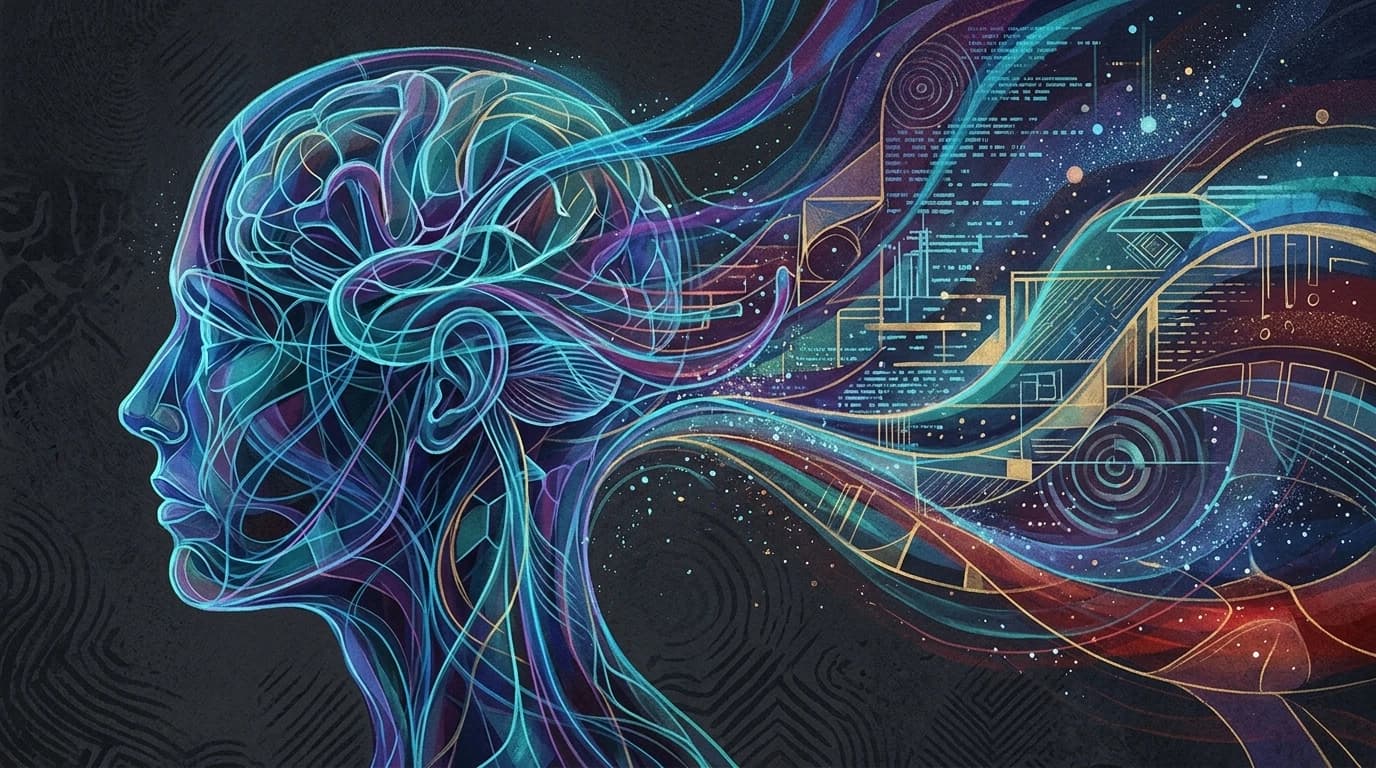
Imagine decoding the complex language of the brain to understand how we perceive the world. By the time you graduate from university, the intersection of biology and technology will be one of the most exciting frontiers in science. This future relies on mapping how biological networks process sensory information in real time.
These results were observed under controlled laboratory conditions, so real-world performance may differ.
Historically, researchers struggled to track how different brain regions coordinate behaviour. Now, in a laboratory study of 54 mice, scientists have mapped more than 75,000 individual neurons across the mouse visual system during a change-detection task. The study measured electrical activity across the cortex, thalamus, and midbrain using advanced probes.
The data suggests that mice do not compare images pixel-by-pixel. Instead, their brains use an adaptation-based strategy to notice when something changes. The researchers observed that novel images recruit larger populations of cortical neurons, whilst task engagement strongly modulates activity in the midbrain.
Decoding the Mouse Visual System for Future Careers
This database provides a valuable computational substrate for understanding how biological networks process information. If you learn to code or study biology now, you could help unlock how natural intelligence solves complex sensory problems. Future careers in this expanding field will focus on:
- Developing computational models that mimic biological adaptation and vision.
- Analysing massive neural datasets to decode sensorimotor pathways.
- Researching biological neural networks to inform future neural technologies.
To join this field, start building your skills in Python, statistics, or molecular biology today.