How Machine Learning and Blood Proteins Are Redefining Early Lung Cancer Detection
Source PublicationCell
Primary AuthorsPandya, Zagorulya, Leung et al.
"It is like a molecular weather forecasting system that detects the atmospheric pressure of a storm years before the first raindrop falls."
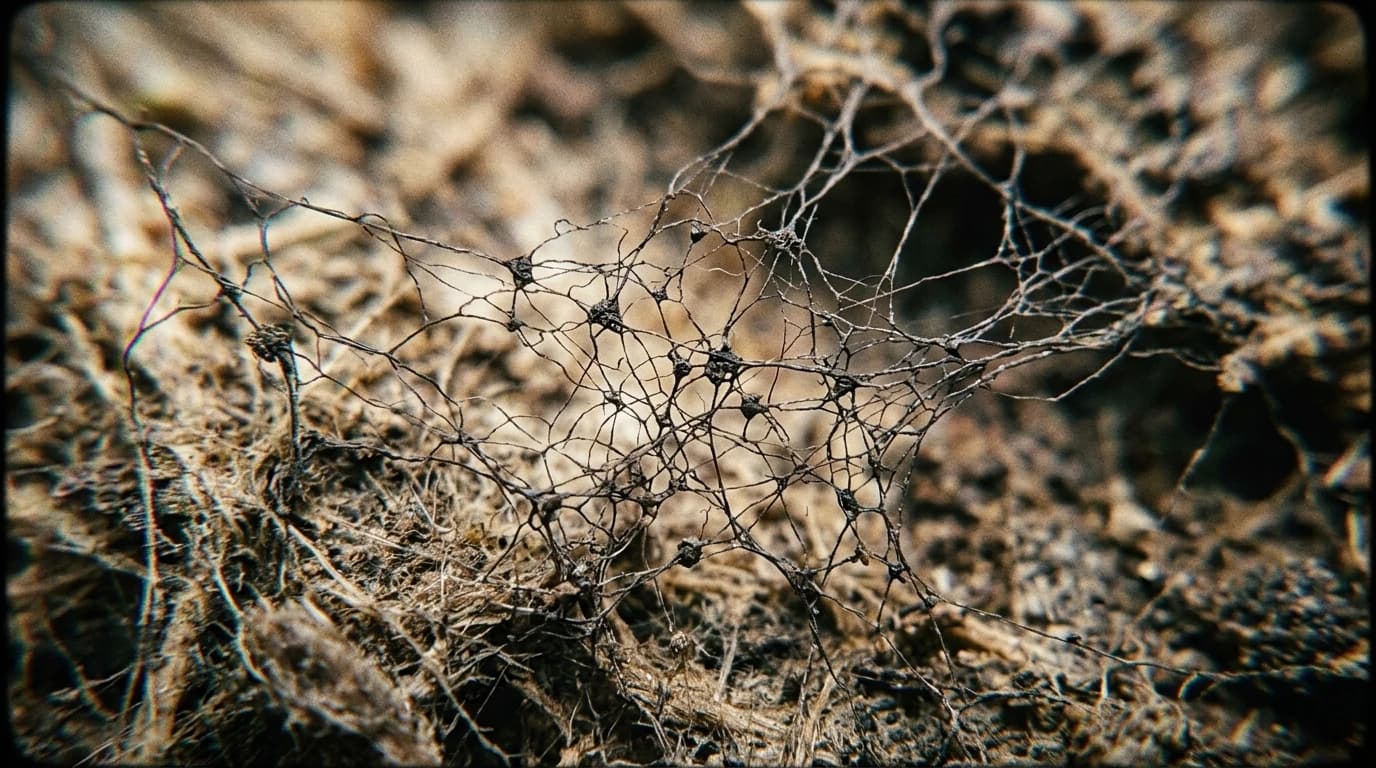
Imagine a world where a routine annual blood test in your school clinic flags a silent cellular shift five years before a tumour can even form. This future relies on molecular forecasting to stop diseases before they start.
Current medical models often detect lung disease only after physical symptoms appear. To improve survival rates, researchers are focusing on early lung cancer detection by tracking the body's earliest warning signs at a molecular level.
The Biology of Early Lung Cancer Detection
Scientists recently used machine learning to identify a 14-protein signature in blood plasma. This signature, validated across eight patient groups, predicts lung cancer risk more than five years before diagnosis. The study measured how air pollution and smoking trigger these specific proteins, which relate to transitional lung cells called KAC cells.
This discovery suggests that doctors could use targeted anti-inflammatory therapies to prevent tumour development in high-risk individuals. By the time you graduate from university, clinical trials may use these protein maps to custom-tailor preventative treatments.
To build this future, global healthcare systems will need specialists who can bridge biology and computer science. If you want to build these diagnostic tools, consider developing these key skills:
- Python and data science to train predictive models
- Molecular biology to understand cellular transitions
- Bioinformatics to analyse complex protein datasets