How Leishmania genome editing Will Organise the Fight Against Tropical Disease
Source PublicationMolecular Biology Reports
Primary AuthorsAta, Topuz Ata
"Editing the Leishmania genome is like using a precise word processor to find and correct specific typos inside a massive, chaotic instruction manual."
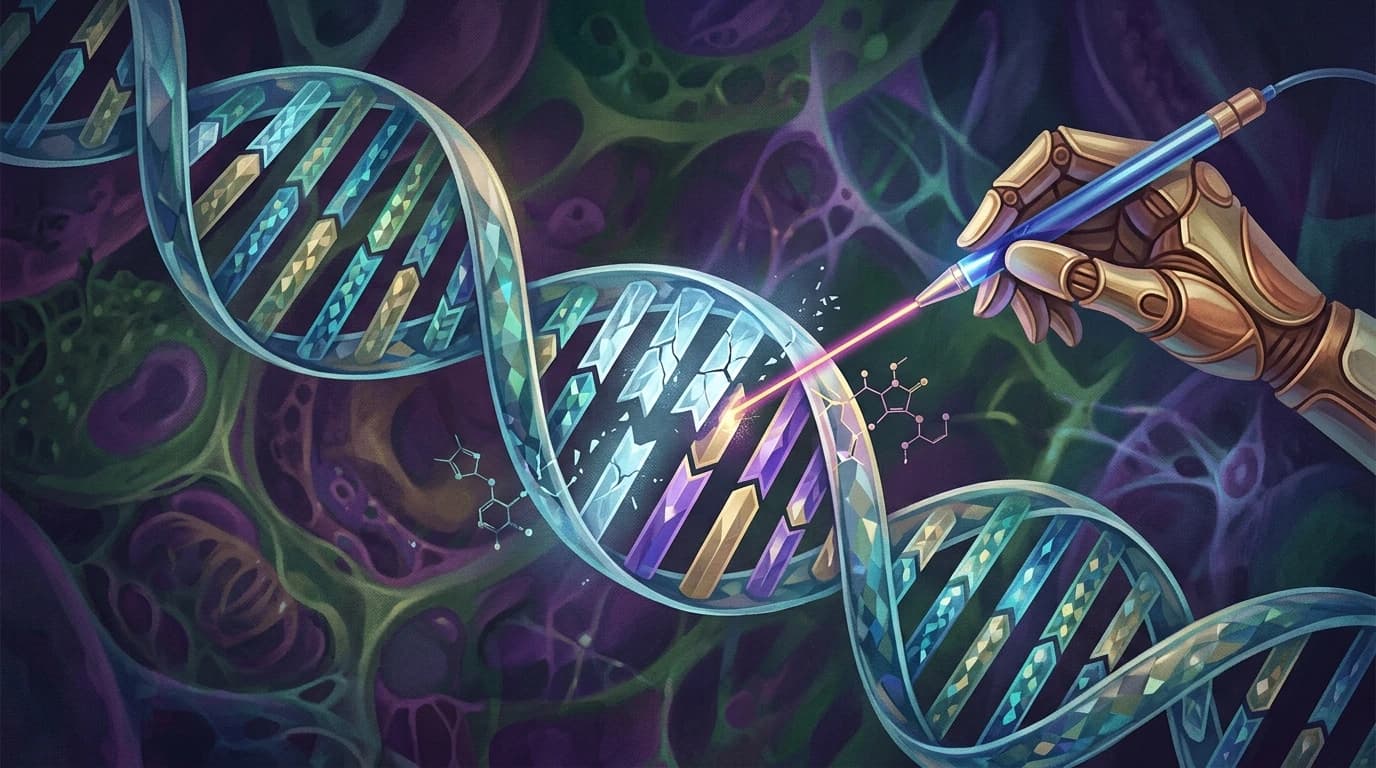
Imagine a world where tropical parasites are systematically neutralised at the genomic level. By the time you graduate from university, researchers in laboratory settings may routinely use advanced editing tools to decode and disable pathogen survival mechanisms.
These results were observed under controlled laboratory conditions, so real-world performance may differ.
Leishmaniasis, a disease spread by sand flies, affects millions of people globally. Traditional treatments are often toxic, but studying the parasite's genetics has historically been difficult due to its complex genome. Researchers are now using Leishmania genome editing to identify genetic factors responsible for parasite survival and drug resistance.
The Impact of Leishmania genome editing
A recent scientific review details how researchers are deploying next-generation CRISPR systems to edit these organisms. These tools include:
- Base editors that alter single DNA letters without breaking double strands.
- Prime editing platforms for highly precise genetic insertions.
- Experimental vector editing strategies targeting the sand flies that transmit the disease.
These methods may allow scientists to validate new drug targets much faster than before in laboratory trials. This shift highlights the growing importance of careers in functional genomics and translational research, where the next generation of molecular biologists will help turn laboratory insights into real-world treatments.