How human land use links to microplastics in wild mammals
Tracking lowland tapirs and giant anteaters across Brazil shows that wild beasts roaming near towns and rubbish sites carry more plastic inside their bodies.
Reading level
The full story with proper science words explained.
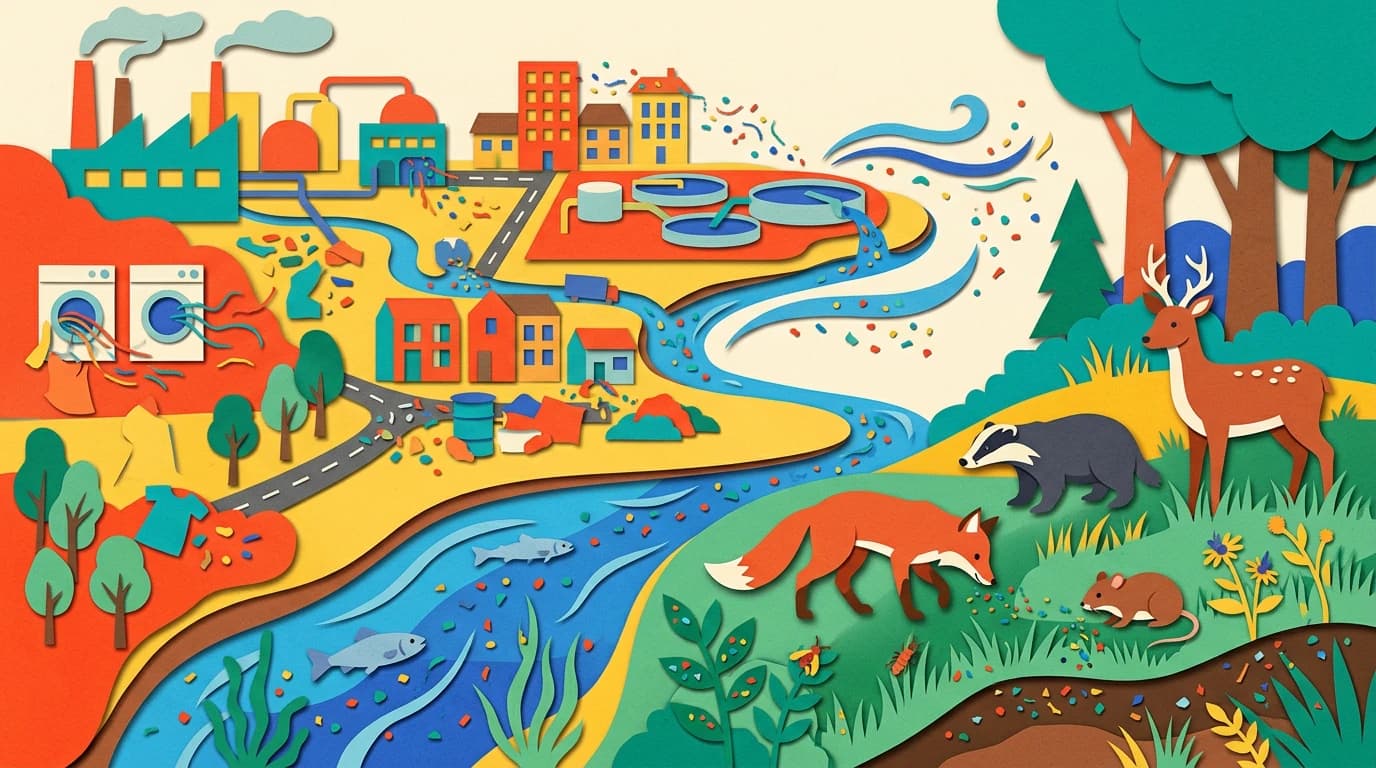
Tracking plastic through the wild
Even giant anteaters roaming deep forests can have tiny plastic bits in their blood. Scientists studying microplastics in wildlife—meaning tiny specks of synthetic plastic inside wild creatures—wanted to see how human expansion shapes this problem. They fitted wild lowland tapirs and giant anteaters across Brazil with detailed tracking collars to log their step-by-step paths.
This method matters because it links real movement to bodily health. The team drew in vivo blood samples, meaning tests taken directly from living creatures. By placing GPS paths over maps of towns and roads, they tested how a beast's range shapes its internal plastic load.
Closer to towns, higher the load
The results showed a direct link. As beasts spent more time inside a heavier human footprint—the total mark people leave on the land—their internal loads rose. Beasts living closer to towns and rubbish sites carried much higher amounts of plastic in their bodies.
Think of it like standing near a smoky campfire: the closer you sit to the flames, the more soot settles on your clothes. But this picture only goes so far. Smoke drifts visibly in the air, while plastic waste breaks down into unseen bits that spread through soil, water, and food.
Yet living near towns is not the only way beasts pick up trash. The team also found plastic inside the blood of tapirs and anteaters living in remote, wild spaces far from roads. Walking through human-altered land cannot be the only path for these bits to enter their bodies.
Questions that remain
We still do not know the exact routes plastic takes to reach creatures in clean, distant habitats. It is also not yet known how these systemic microplastic burdens—plastic built up across whole body tissues and blood systems—harm an animal's long-term health. The study focused on just two mammal species in Brazil, but it shows that better trash control could help shield nature.
Science words
- microplastics in wildlife
- Extremely small synthetic plastic fragments and fibres found inside wild animals.
- in vivo
- Measured inside or taken directly from a living organism.
- human footprint
- The total extent and intensity of human influence and land transformation in an area.
- systemic microplastic burdens
- The buildup of plastic specks distributed throughout an animal's blood and body tissues.
Check it yourself
This story is based on a real research paper in Nature by de Almeida Monteiro Melo Ferraz, Desbiez, Alves et al. We write with AI help and check it against the paper, but the original is the final word.