How Genomic Instability Spreads DNA Through Cellular Tunnels
Source PublicationCell
Primary AuthorsMaurais, Mazzagatti, Lin et al.
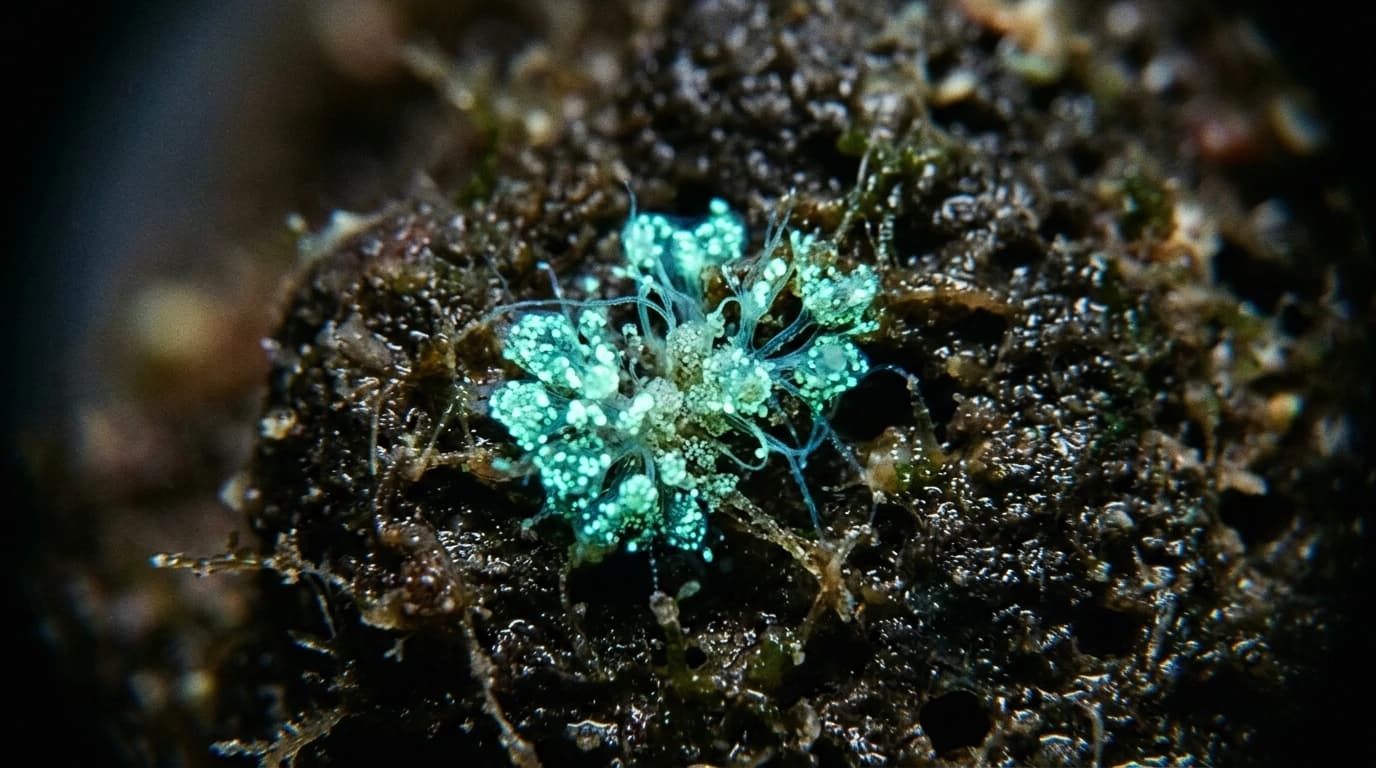
Imagine your cell's nucleus is a high-security bank vault holding your DNA. When genomic instability strikes, the vault cracks, spilling loose genetic fragments into the surrounding cellular lobby.
Usually, this misplaced DNA triggers internal alarms. However, researchers wanted to know if this cellular debris could escape and affect neighbouring cells.
The Hidden Networks of Genomic Instability
A new lab study reveals that human cells build microscopic, tube-like bridges called nanotubes to connect with their neighbours. The researchers measured DNA movement and found that cells suffering from genomic instability actively ship stray genetic fragments through these skeletal tunnels.
This transfer occurred after cells were exposed to common stressors:
- Chemotherapy drugs like spindle poisons
- Ionising radiation damage
- CRISPR-Cas9 gene editing breaks
These physical tunnels allow direct cytoplasm-to-cytoplasm transport, bypassing the protective outer membranes of both cells.
How It Alters Healthy Cells
The study showed that recipient cells do not destroy this incoming DNA. Instead, they inherit the fragments as functional genetic elements that exist outside their chromosomes, altering their own cellular traits.
This suggests that genomic instability is not just an isolated cellular crisis. The findings imply that this mechanism could help cancer tumours share drug-resistance traits rapidly, bypassing traditional genetic inheritance. Future therapies may need to target these physical tunnels to stop the spread of damaged genetic material.