How Future Biotech Careers Will Address the Health Effects of Non-Nutritive Sweeteners
Source PublicationCurrent Atherosclerosis Reports
Primary AuthorsWang, Wu, Wallen et al.
"Non-nutritive sweeteners are like ghost software in a computer; they do not add heavy data files (calories), but they still alter the background operating system (the gut microbiome) and cause glitches in the power grid (insulin response)."
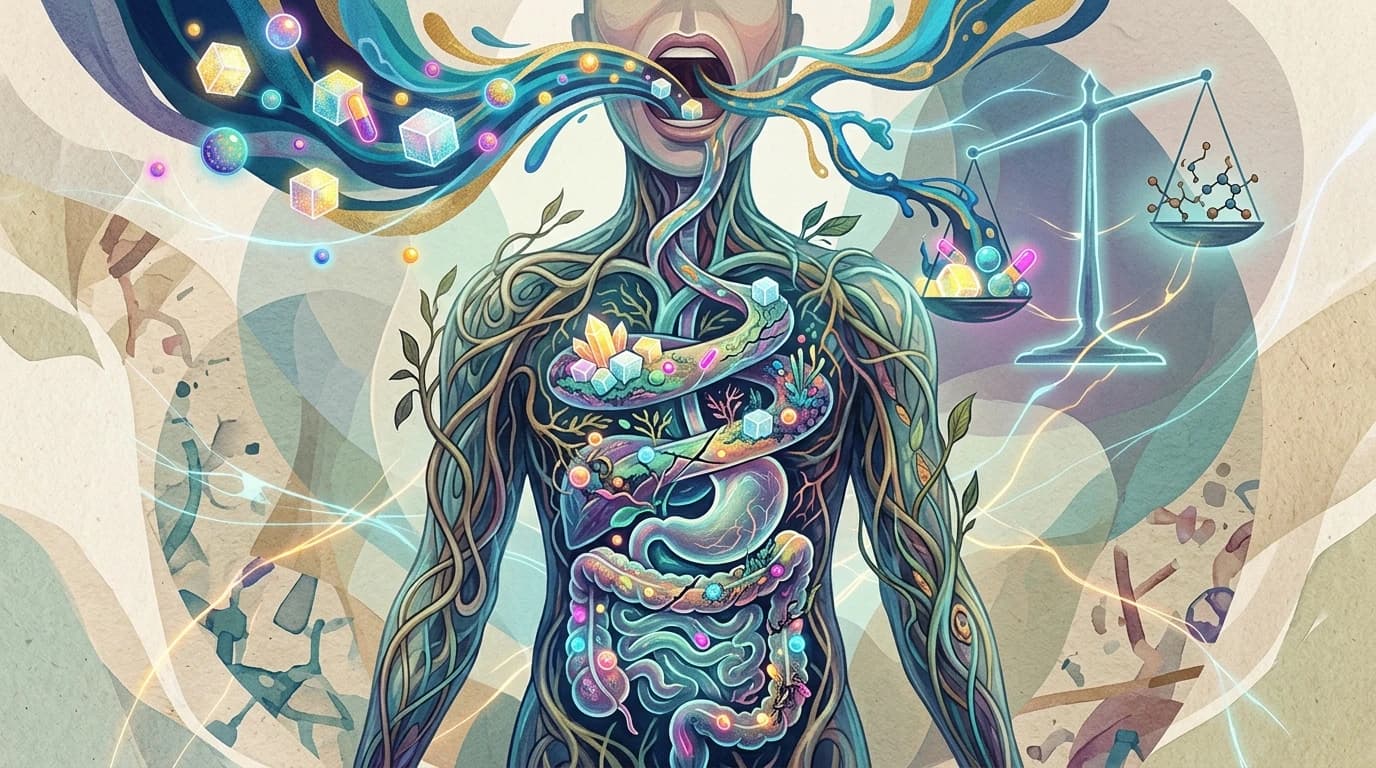
A Glimpse into Personalised Nutrition
Imagine a world where your wearable health tech monitors your gut microbiome in real-time, customising your daily diet to prevent metabolic diseases before they ever develop. This level of preventative healthcare requires a deep understanding of molecular biology.
For decades, diet fizzy drinks and sugar-free snacks have been popular dietary choices. However, researchers are now closely examining the long-term health effects of non-nutritive sweeteners to determine if they cause unintended physiological changes.
Decoding the Health Effects of Non-Nutritive Sweeteners
A new meta-analysis of clinical trials suggests that these sweeteners are not biologically inert. The data indicates they may alter the composition of the gut microbiome, which correlates with impaired glucose-insulin control, including elevated fasting insulin and HbA1c levels.
While observational studies link sweetener consumption to type 2 diabetes, these can be confounded by people at risk switching to diet options. However, the direct clinical trial evidence shows measurable metabolic shifts, suggesting a potential risk of long-term cardiometabolic disease.
Your Future in Molecular Technology
By the time you graduate college, the food and healthcare industries will need specialists to design safer food alternatives and map microbial data. This shift will create high-demand careers in specific areas:
- Bioinformatics to analyse complex genomic data from the gut microbiome.
- Computational biology to model how different sweet compounds interact with human cells.
- Food chemistry to synthesise molecules that satisfy taste without triggering insulin responses.
Acquiring skills in computer science, statistics, and molecular biology today will position you to build the health technologies of tomorrow.