How Fluid Dynamics in Weather and Climate Shape Our World
Source PublicationScientific Publication
Primary AuthorsNaqvi
"Imagine running a hot bath. If you do not stir the water, one side burns you while the other freezes you. The Earth uses winds and ocean currents as a giant hand to stir the water and air, spreading the sun's heat evenly across the globe."
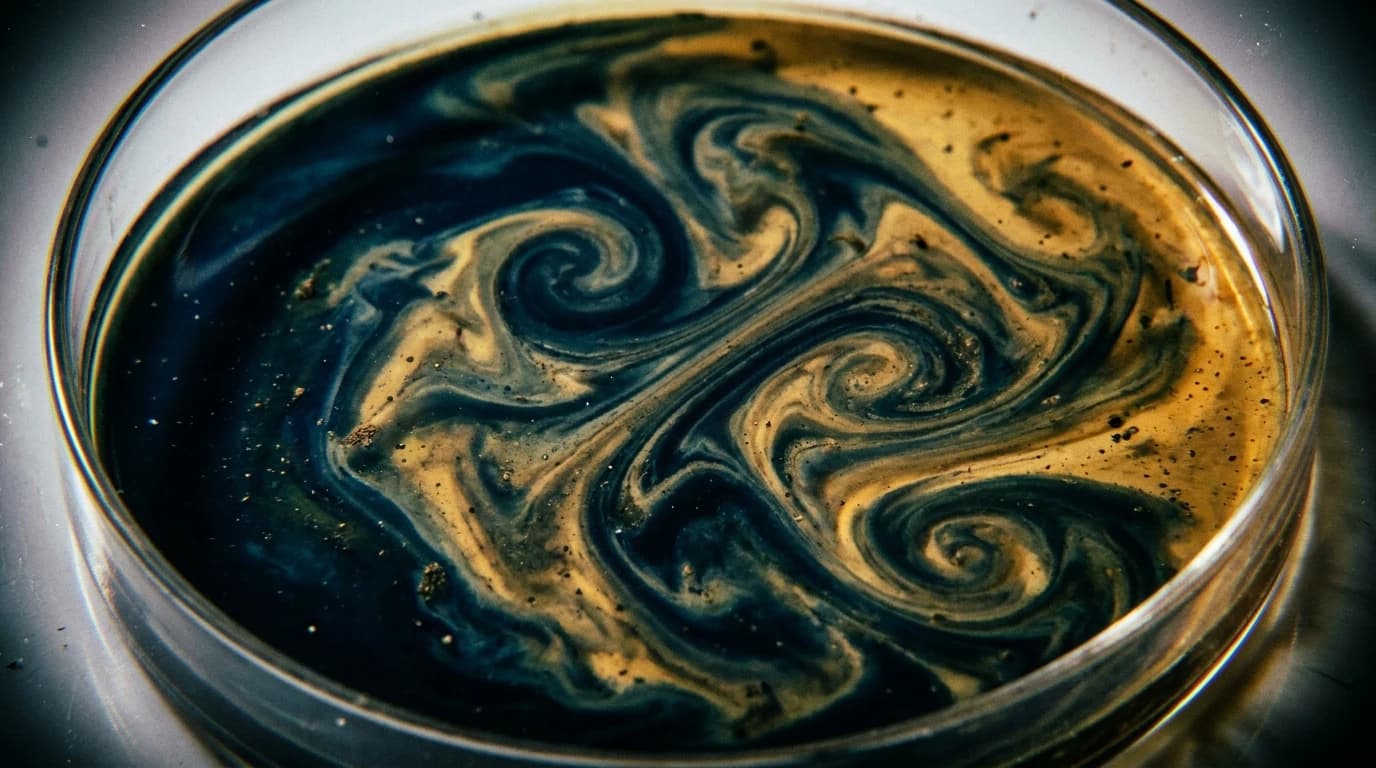
Have you ever watched the steam rise from a hot cup of cocoa and noticed how it swirls in the air? Or have you ever wondered why a massive storm spins in a perfect circle? The answer lies in how liquids and gases move around us.
When scientists talk about air and water moving, they call it fluid dynamics. Recently, researchers looked closely at fluid dynamics in weather and climate to understand how these invisible forces control our planet. They measured specific factors like air pressure, the Earth's spin, ocean temperatures, and water currents. Their goal was to see exactly how these elements interact to create our daily weather and shape our long-term climate.
The Science of Fluid Dynamics in Weather and Climate
The research team used statistical tools to analyse data on atmospheric and oceanic processes. They wanted to see the mathematical relationships between different natural forces. They found strong, positive links across the board.
First, they looked at pressure gradients. This is just a scientific way of describing the boundary between areas of high and low air pressure. The study showed a direct, measurable link between these pressure differences and wind generation. Air simply wants to move from a crowded, high-pressure area to an empty, low-pressure area.
Next, they measured the Coriolis force. Because the Earth is a spinning globe, moving air gets deflected. The study confirmed that this force directly controls how cyclones and large storms rotate. They also examined sea surface temperatures. The data showed that warmer ocean water creates atmospheric instability. This warm, moist air rises quickly, which often leads to heavy rain and storms.
But the most significant finding came from the deep blue sea. The researchers measured ocean circulation and found it has the strongest link to global heat transport. Moving ocean water is the primary way the Earth regulates its overall climate.
How It Works: The Earth's Giant Mixing Bowl
To understand these findings, imagine you are running a hot bath. If you just let the hot water pour in, one end of the tub gets boiling hot while the other stays freezing cold. You have to swish the water around with your hand to mix the heat evenly.
The Earth does the exact same thing, just on a massive scale. The sun heats up the equator much more than the North or South poles. To stop the equator from overheating and the poles from freezing solid, the Earth uses winds and ocean currents to swish the heat around. Differences in air pressure push the air like a giant fan. The spinning of the Earth gives those winds a twist, creating swirling storms. Meanwhile, the ocean acts like a massive, slow-moving conveyor belt. It carries warm tropical water up towards the freezing poles, and sends cold polar water back down to the equator.
What This Means for Our Future
This study measured the specific mathematical links between these moving fluids and weather patterns. The findings suggest that ocean circulation is the most powerful tool the Earth has for managing its temperature.
Understanding these interactions could greatly improve how we predict the weather next week. It also suggests that changes to ocean temperatures might alter global climates in the future. By studying how air and water flow, scientists hope to build much better computer models. These improved models could help us prepare for extreme weather, protect coastal towns, and manage our natural environment more effectively.