How Editing the Inside of Molecular Containers Will Reshape Chemical Engineering
Source PublicationJournal of the American Chemical Society
Primary AuthorsHan, Lam, Houk et al.
The Context: The Challenge of Molecular Containers
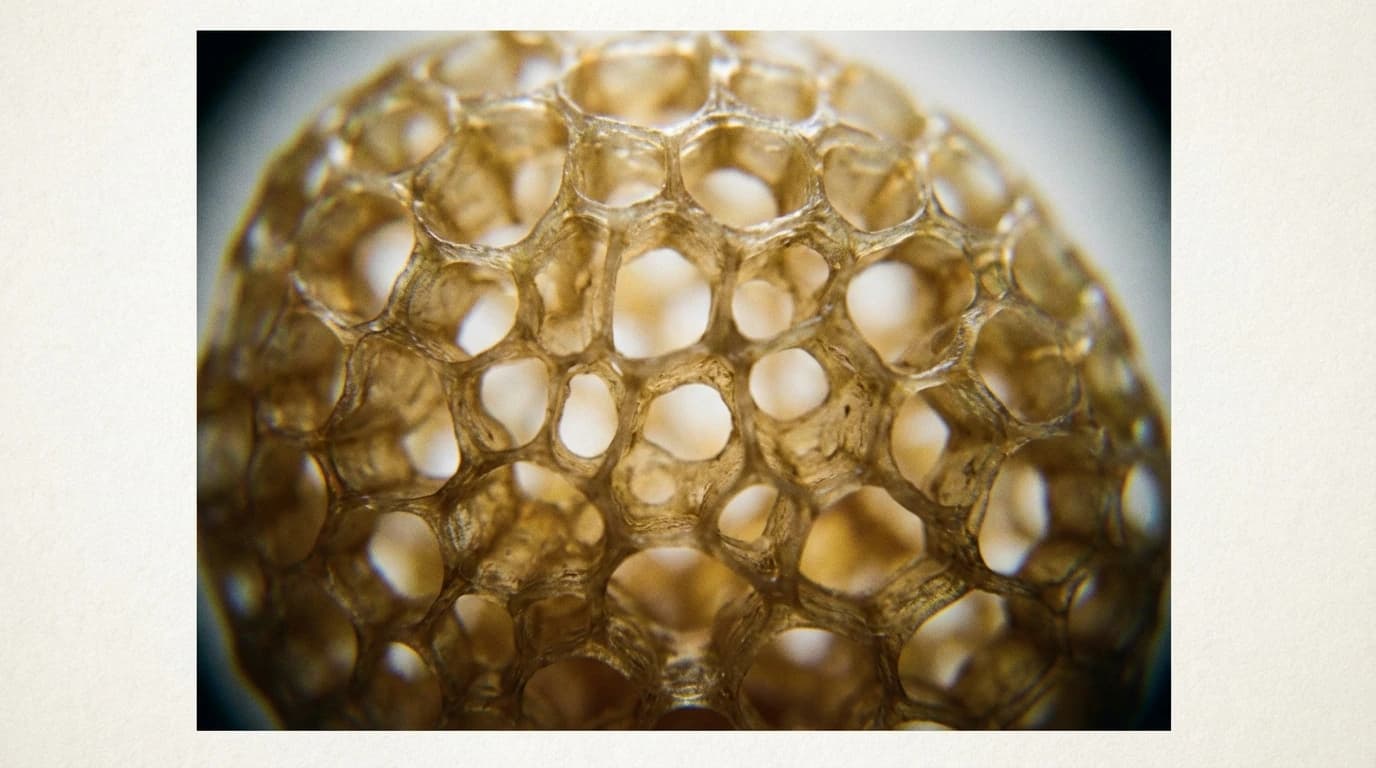
Molecular containers are essentially tiny, hollow chemical structures that can hold other molecules inside them. They act as synthetic pockets, mimicking the highly specific environments found in natural biological receptors.
These results were observed under controlled laboratory conditions, so real-world performance may differ.
However, controlling the exact interior shape and chemical properties of these vessels has been notoriously difficult. Without the ability to engineer the inside of molecular containers, our capacity to filter, transport, or catalyse specific reactions is severely restricted.
In natural biology, enzymes use highly specific internal cavities to bind molecules with perfect precision. Replicating this exact level of control in synthetic chemistry requires precise internal editing tools that, until now, did not exist.
The Discovery: Inside-Out Engineering
The research team created a new method to activate interior chemical bonds within a confined nanoscale space. They used a catalyst called quinuclidine, which temporarily binds inside the cavity of a macrocyclic structure known as α-cyclodextrin.
When subjected to single-electron oxidation, the catalyst selectively removed hydrogen atoms from specific internal bonds. This action caused a hydroxyl group to flip inward, physically altering the interior face of the container.
The study measured how this modified structure performed in gas chromatography. The researchers found that the newly altered container successfully separated chiral compounds that the natural, unmodified version could not. This occurred because the internal modification created a desymmetrised cavity with a polar recognition site.
The Impact: The Next Decade of Chemical Design
This ability to edit the interior of molecular containers changes the trajectory of synthetic chemistry. Over the next five to ten years, as this bench-scale proof of concept expands, this precision could shift how we approach molecular recognition and analytical chemistry.
By customising the exact internal geometry of these vessels, scientists may develop highly selective tools for chemical sorting. This suggests new possibilities for sectors that rely on exact chemical separation, particularly in laboratory settings where chiral separation is essential for identifying compound structures.
Future applications of this technique could include:
- More precise analytical techniques for separating complex chiral mixtures.
- Enhanced laboratory tools for isolating specific molecules with biological-level precision.
- Custom-engineered synthetic pockets designed to study highly specific chemical interactions.
While the current study measured performance specifically in gas chromatography using α-cyclodextrin, the underlying principle suggests a broader shift in chemical design. By gaining control over the internal space of these structures, researchers are moving closer to designing synthetic environments with biological precision. This level of control may eventually allow us to build synthetic systems that mimic the exactness of natural enzymes.