How DNA-free genome editing helps scientists grow better apples
Source PublicationScientific Publication
Primary AuthorsNishitani, Tsujino, Kuroki et al.
"Imagine trying to fix a spelling mistake in a massive, famous recipe book. Instead of rewriting the whole book and risking accidental changes to the flavour, scientists use a tiny, precise eraser to fix just one letter, leaving the rest of your favourite recipe exactly as it was."
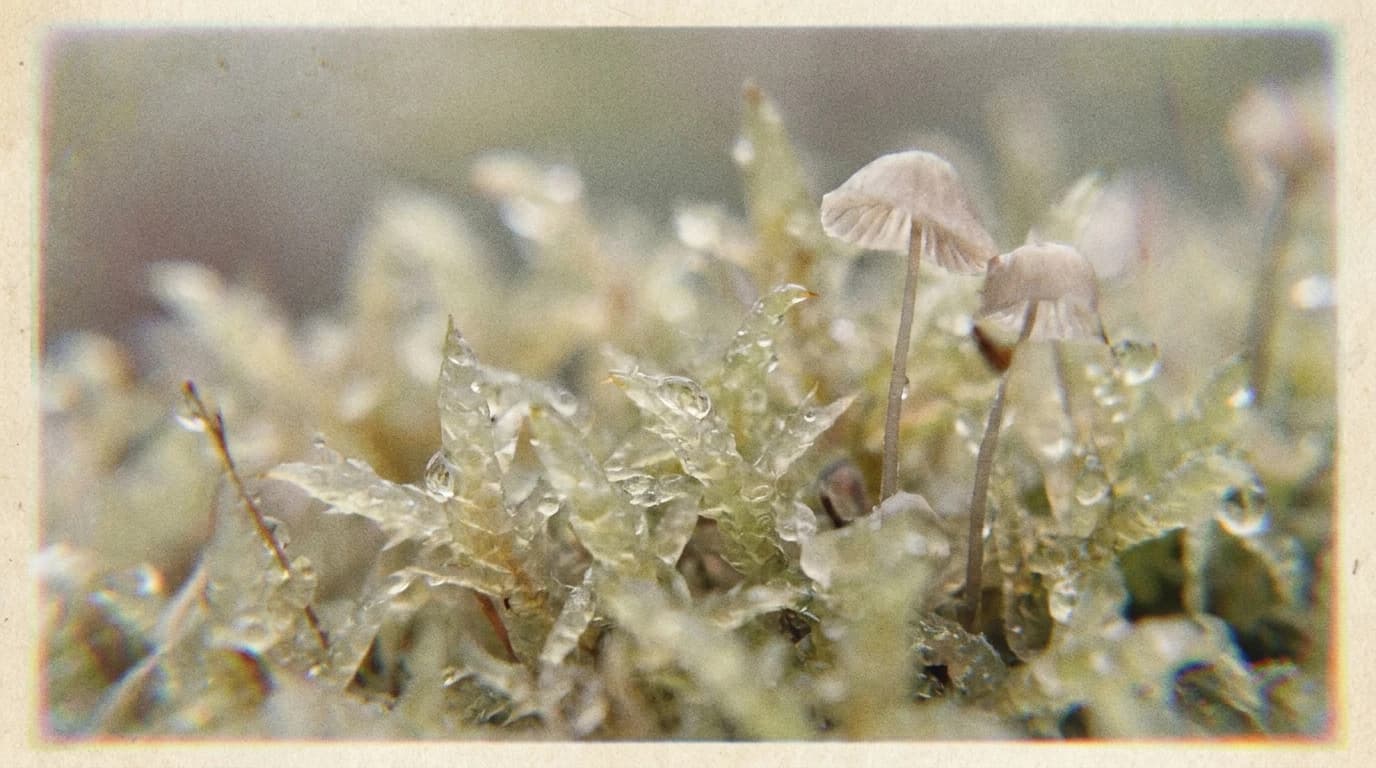
Have you ever wanted to build a better apple?
Imagine biting into a crisp, sweet 'Fuji' apple. What if you could make that exact tree resistant to disease, but keep the perfect flavour? This sounds simple, but fruit trees are surprisingly difficult to improve. If you plant an apple seed, it grows into a completely different type of apple. To keep the exact traits of a favourite apple, farmers have to take cuttings. This means they cannot just breed them to get better traits.
Why DNA-free genome editing matters
To solve this, scientists use a tool called CRISPR to make tiny changes to the plant's own code. A major goal is using DNA-free genome editing. This means they make a small edit without leaving any extra or foreign DNA behind. It is a very clean way to improve crops.
However, there is a catch. When scientists edit a plant, the plant often ends up with a mix of edited and unedited cells. This mix is called a chimera. In normal plants like wheat or corn, scientists can just breed the plants until the mix goes away. But remember, we cannot breed a 'Fuji' apple without losing the 'Fuji' flavour!
How DNA-free genome editing works
To fix this problem, researchers tried a clever new trick. They used a method called particle bombardment. They literally shoot tiny microscopic particles coated with gene-editing tools straight into the growing centre of the plant. It is a bit like a microscopic snowball fight!
The scientists targeted the shoot apical meristems. These are the special parts of the plant where new growth happens. By delivering the tools directly here, they aimed to edit the cells that eventually make the whole plant.
Growing a perfect plant
Even with this shooting method, the plants still had some mixed cells. So, the researchers added a new step. They took leaf tissue from the treated plants and forced it to grow into entirely new plants. This process is called regeneration.
By combining the tiny particle shots with leaf regeneration, the scientists managed to grow whole 'Fuji' apple plants where every single cell was edited. The mixed cells were completely gone. The study measured the genetic makeup of these new plants and confirmed they were uniformly edited.
What this suggests for the future
This success suggests that we might soon be able to protect our favourite fruit trees from pests, diseases, and a changing climate. By using this method, farmers could grow stronger trees while keeping the exact colour, crunch, and taste that we all love.