How Climate Change Arctic Lakes Are Losing Their Ancient Cool
Source PublicationProceedings of the National Academy of Sciences
Primary AuthorsRühland, Michelutti, Evans et al.
How Climate Change Arctic Lakes Are Losing Balance
Imagine a giant thermal battery that has kept its contents perfectly chilled for centuries. Canada’s massive northern waters have long resisted warming, acting as stable, icy giants. But climate change Arctic lakes are now losing this natural defence.
Rising temperatures and shrinking ice cover are rewriting the rules of these remote ecosystems. Historical stability is giving way to rapid biological shifts.
What the Sediment Cores Revealed
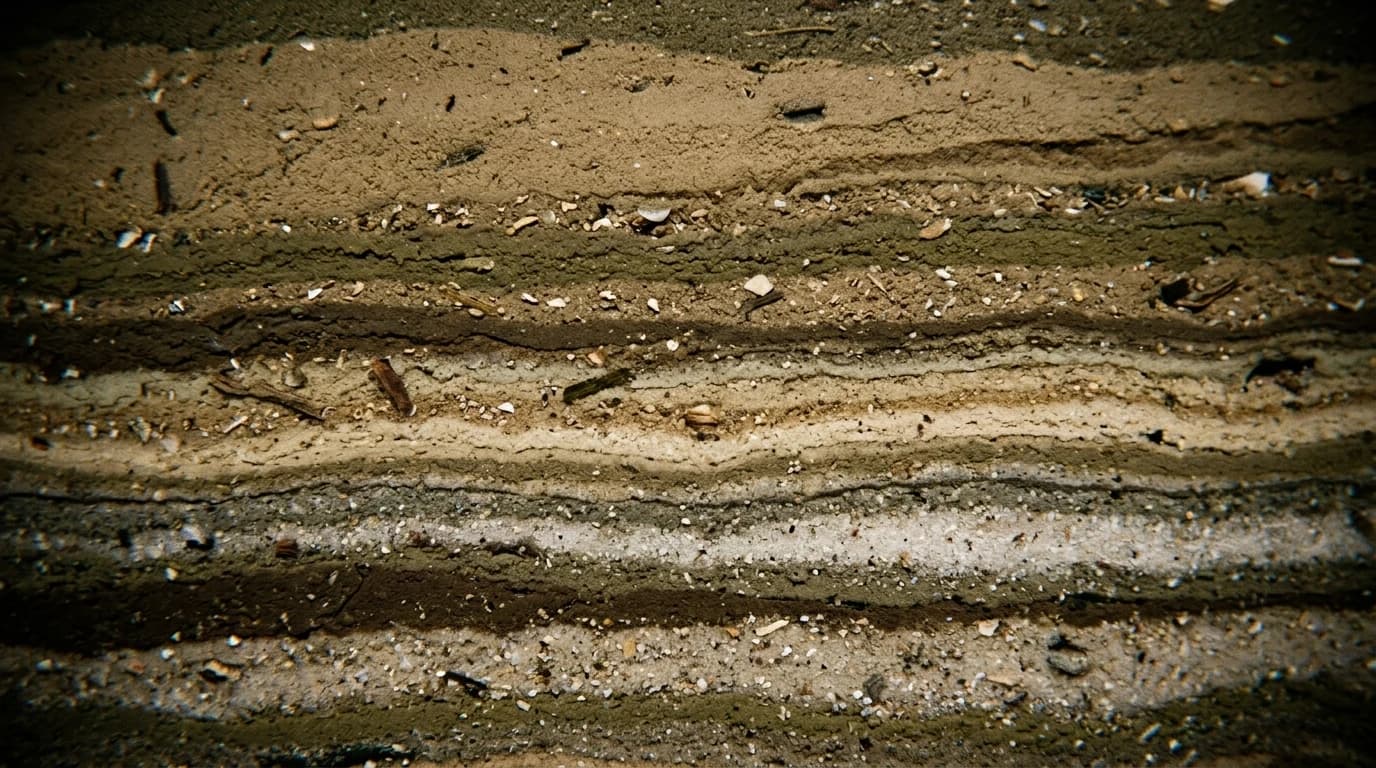
Researchers analysed dated sediment cores from Great Bear Lake, Great Slave Lake, and Lake Hazen. They measured a dramatic restructuring of algal communities starting at the turn of the 21st century. Tiny, floating diatoms have rapidly multiplied, displacing the larger, bottom-dwelling species that dominated since the 1800s.
This biological shift corresponds with measured physical changes:
- An increase in annual ice-free days.
- Higher regional air temperatures.
- A notable decline in average wind speeds.
Why This Algal Shift Matters
These physical changes favour smaller planktonic algae that thrive in warmer, calmer waters. Because these primary producers fuel the entire aquatic food web, this rapid restructuring suggests a fragile future. The findings imply that native fish populations, which northern and Indigenous communities rely on, could face severe food-web disruptions as the lakes' historical resilience erodes.