How Bacteria Use Defense-associated Reverse Transcriptases to Shred Viruses
Source PublicationScience
Primary AuthorsRong, Xiao, Zhao et al.
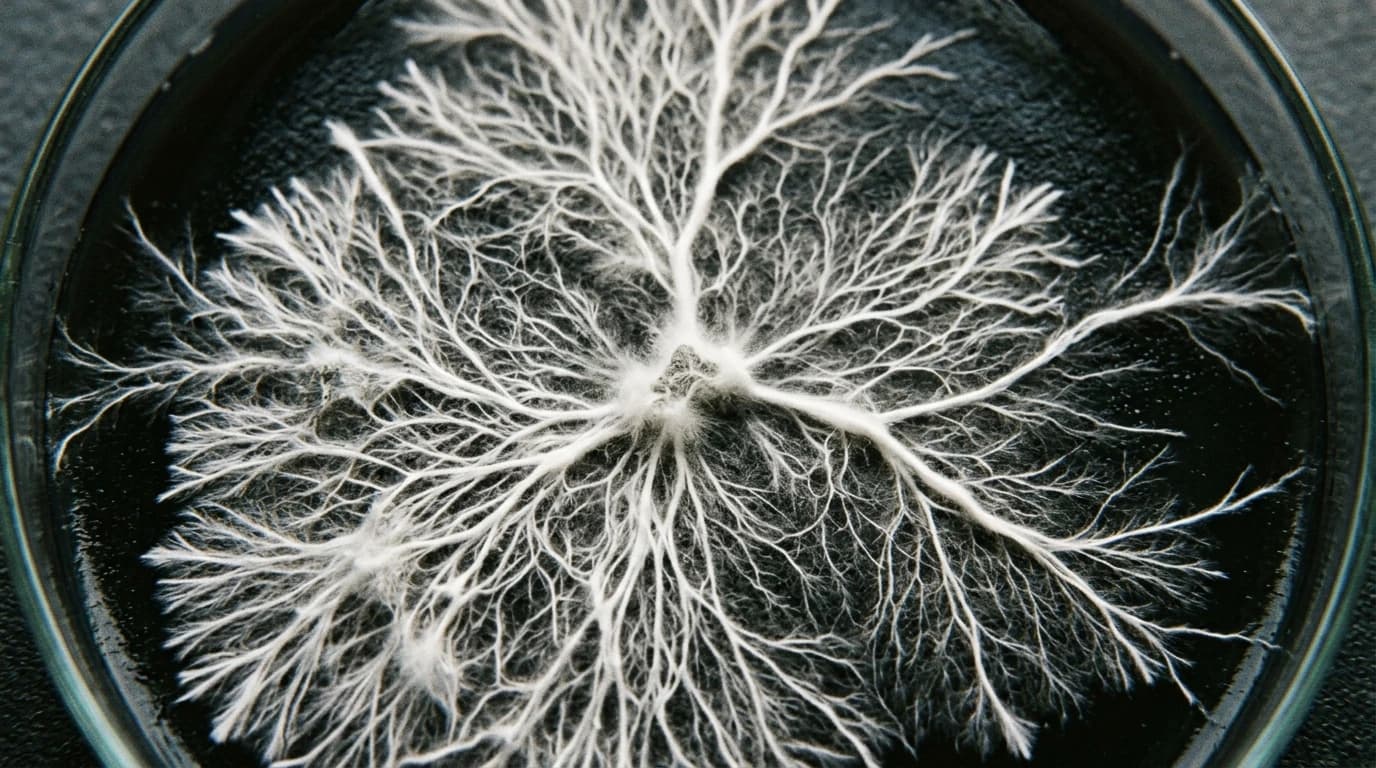
Imagine a home security system that doesn't just sound an alarm, but actually weaves its own steel trap on the spot to catch an intruder. Bacteria use a similar, highly active strategy to stop viral invaders.
These microscopic organisms are locked in a perpetual arms race with phages, the viruses that infect them. To defend themselves, microbes rely on defense-associated reverse transcriptases (DRTs). These are specialised proteins that copy RNA into DNA to organise cellular defences. Until now, scientists did not fully understand how certain DRTs operate without helper molecules.
How Defense-associated Reverse Transcriptases Trigger the Trap
A new study reveals that a specific protein, DRT4, acts as a molecular sensor, builder, and executioner all in one. By combining three different enzymatic activities into a single protein, DRT4 provides a complete defense system. The mechanism operates in three distinct phases:
- Sensing: DRT4 monitors the cell's raw DNA building blocks, which spike during a viral infection.
- Building: This spike shifts DRT4's internal balance, prompting it to synthesise a single-stranded DNA tripwire.
- Executing: Once this tripwire reaches a critical length, it activates molecular scissors that chop up viral and host RNA, halting the infection.
This dual action of building DNA to trigger RNA destruction represents a highly efficient survival strategy.
The findings suggest that these defense-associated reverse transcriptases could be adapted for new biotechnology tools. Researchers may be able to reprogramme these proteins to target specific genetic sequences, which could lead to novel DNA- and RNA-processing technologies.