How AI is rewriting the rules of structural health monitoring for ageing bridges
Source PublicationScientific Reports
Primary AuthorsHadizadeh, Tarighat, Malian
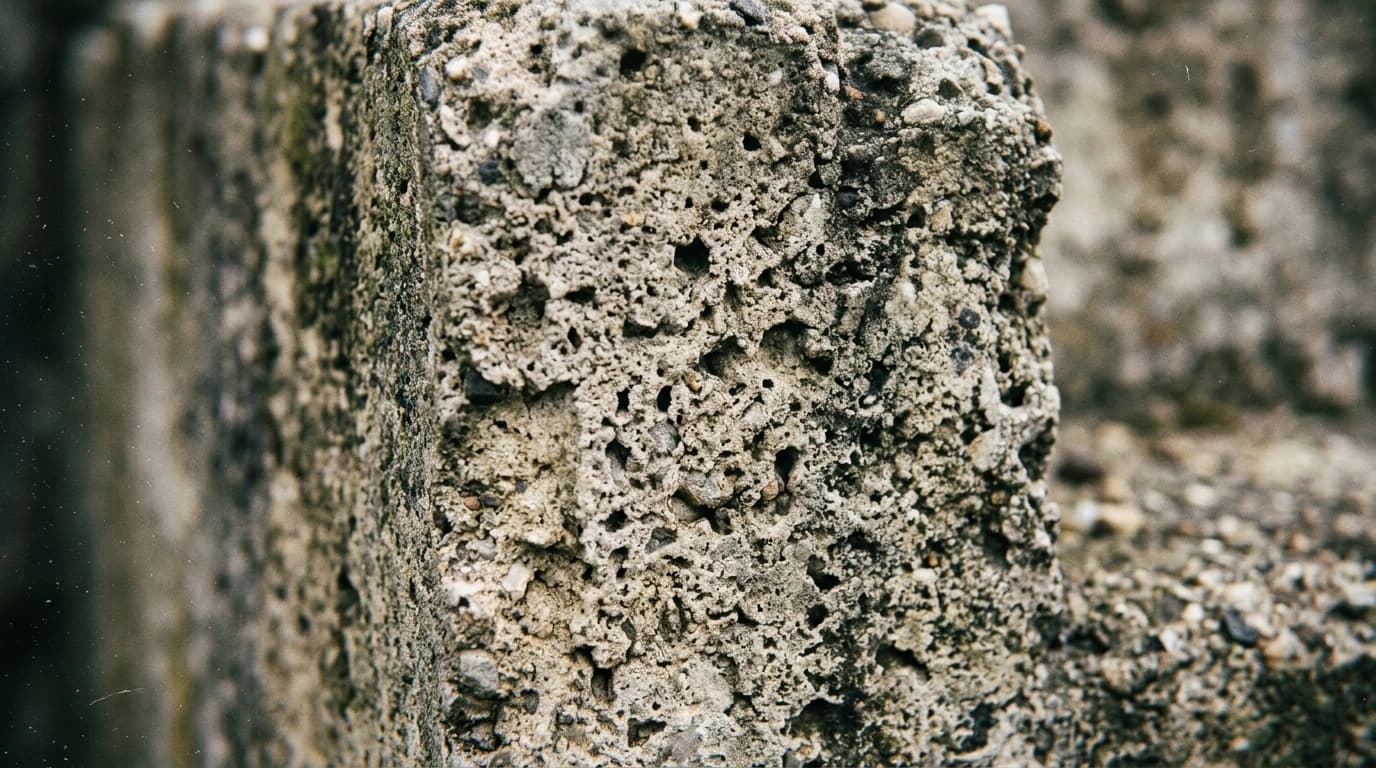
Imagine your body could automatically flag a clogged artery just by analysing the subtle pitch changes in your heartbeat as you walk. That is exactly how engineers are now listening to the pulse of our concrete infrastructure.
The challenge of structural health monitoring
Hundreds of concrete bridges worldwide have outlived their design lifespans. Manual inspections are slow and expensive, which is why automated structural health monitoring has become essential to prevent sudden failures.
The core difficulty lies in reliably identifying damage-sensitive features from complex vibration data. Conventional diagnostic tools often require operators to painstakingly tune sensitive parameters to get accurate results.
Listening to the concrete
Researchers have developed a self-tuning AI model called RLAENN. The system combines reinforcement learning with autoencoders to analyse raw accelerometer data from bridge vibrations.
In a case study validating the framework, the team analysed historical accelerometer data from the Z-24 bridge in Switzerland. The algorithm successfully identified damage-sensitive features, outperforming classic benchmark methods, including:
- Principal Component Analysis (PCA)
- Gaussian Mixture Models (GMM)
- Mahalanobis Square Distance (MSD)
The study measured a significant increase in accuracy and F1 scores. By automating the process, the AI eliminates the need to manually tune sensitive detection parameters.
This suggests that transport authorities could soon deploy continuous, automated monitoring systems. This may help engineers organise targeted repairs before micro-cracks expand into catastrophic failures.