How AI-Driven Membrane Protein Solubilization Will Design Your Future Medicines
Source PublicationScience
Primary AuthorsMihaljević, Kim, Bandawane et al.
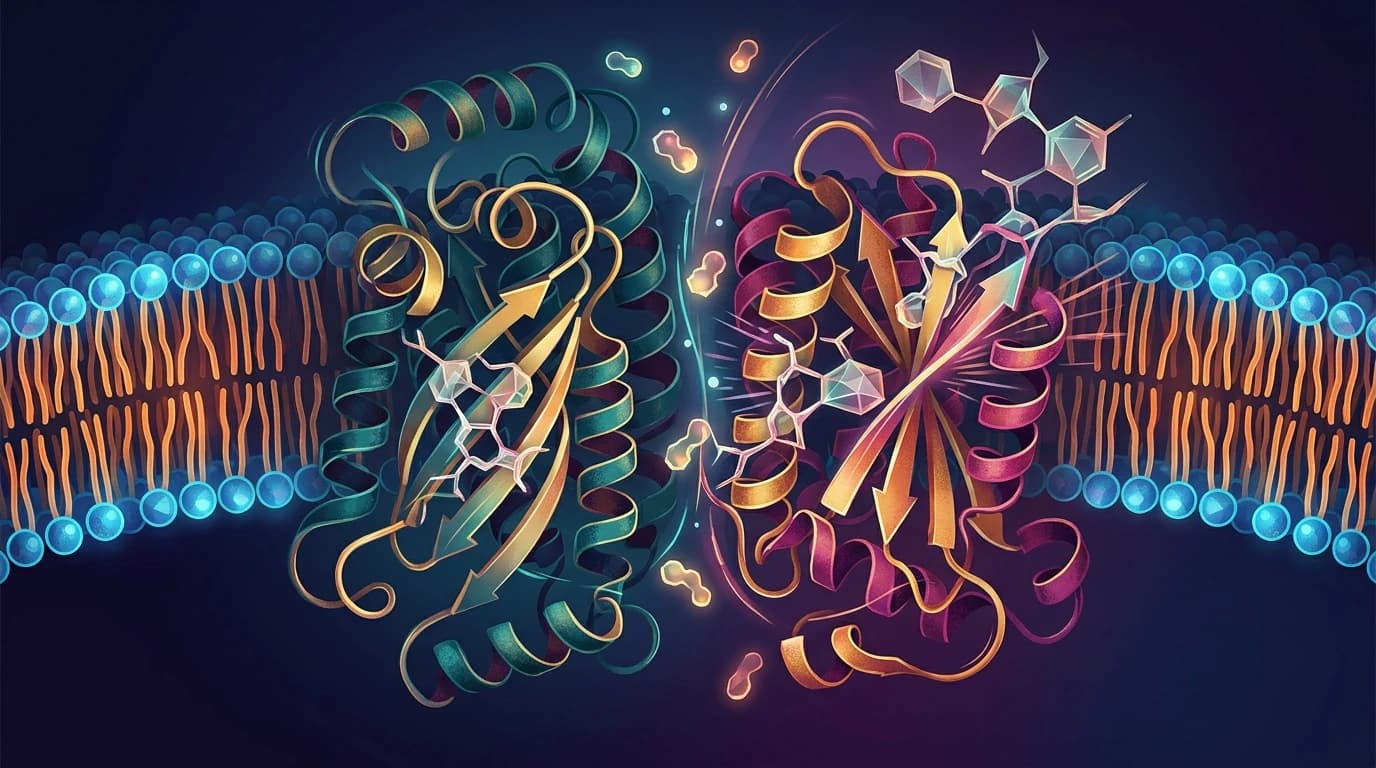
"WRAPs act like a molecular raincoat, wrapping around water-hating proteins so they can float safely in water without dissolving or losing their shape."
A New Era of Molecular Design
Imagine working in a laboratory where computer algorithms design molecular shields to neutralise deadly pathogens before they can infect human cells. By the time you graduate from university, AI-driven molecular biology will likely be the standard method for creating vaccines.
These results were observed under controlled laboratory conditions, so real-world performance may differ.
To combat viruses and bacteria, scientists must study their outer shell proteins. However, these membrane proteins are hydrophobic—they hate water—making membrane protein solubilization incredibly difficult to achieve without destroying the protein structure.
Advances in Membrane Protein Solubilization
Researchers have designed artificial proteins called WRAPs using deep learning. These WRAPs coat the water-fearing surfaces of membrane proteins, keeping them stable and soluble in water. The team successfully used this method to examine a mycobacterial porin structure and to stabilise syphilis vaccine antigens.
This method suggests a future where researchers can rapidly target previously untreatable diseases. If you want to organise the next generation of therapeutics, learning python, structural biology, or biochemistry today will prepare you for these emerging biopharma careers.