How a Well-Studied Soil Microbe Could Deliver New Antibiotics
Source PublicationNature
Primary AuthorsKaur, Travin, Berger et al.
"Searching a messy junk drawer and finding a hidden compartment at the very bottom."
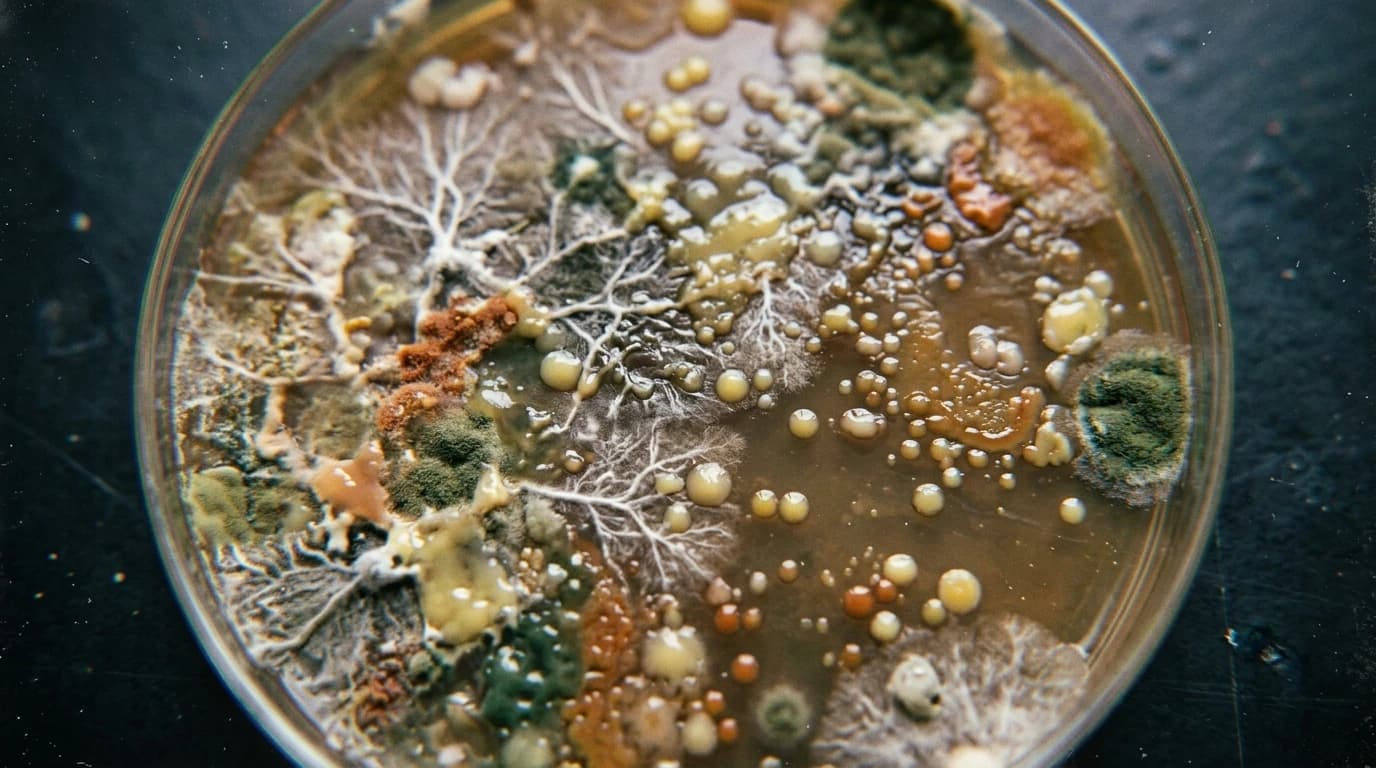
Imagine searching your kitchen junk drawer for a spare key. You rummage through the top layer, find nothing, and assume it is empty. Scientists hunting for new antibiotics have been doing the same thing, digging through the same soil bacteria and finding the same old molecules.
These results were observed under controlled laboratory conditions, so real-world performance may differ.
For decades, we relied on soil-dwelling actinomycetes to defend us. However, the pipeline dried up because we kept rediscovering the same compounds, leading many to believe these microbes were completely mined out.
Now, researchers have used a precise sorting technique to filter out the common chemicals and isolate the rare, hidden molecules. By filtering extracts from Streptomyces rimosus—the famous microbe behind oxytetracycline—they found a hidden compound called manikomycin.
How Manikomycin Delivers New Antibiotics
In laboratory tests, manikomycin successfully killed drug-resistant Enterobacteriaceae. It works by jamming the bacterial ribosome, the cellular factory that builds proteins. Specifically, it blocks the "E-site" exit door, stopping the machinery from moving forward.
The study measured several key features of this compound:
- It binds to an underexplored ribosomal target.
- It bypasses existing clinical resistance mechanisms.
- It halts protein synthesis in a sequence-specific manner.
Although these findings are currently limited to laboratory tests, they suggest that manikomycin could serve as a blueprint for a fresh class of treatments. Scientists may now be able to organise search parties to find other hidden gems in old microbial strains.