Generative AI in endodontics: How synthetic data will reshape root canal treatments
Source PublicationInternational Endodontic Journal
Primary AuthorsMohammad‐Rahimi, Jain, Naveed et al.
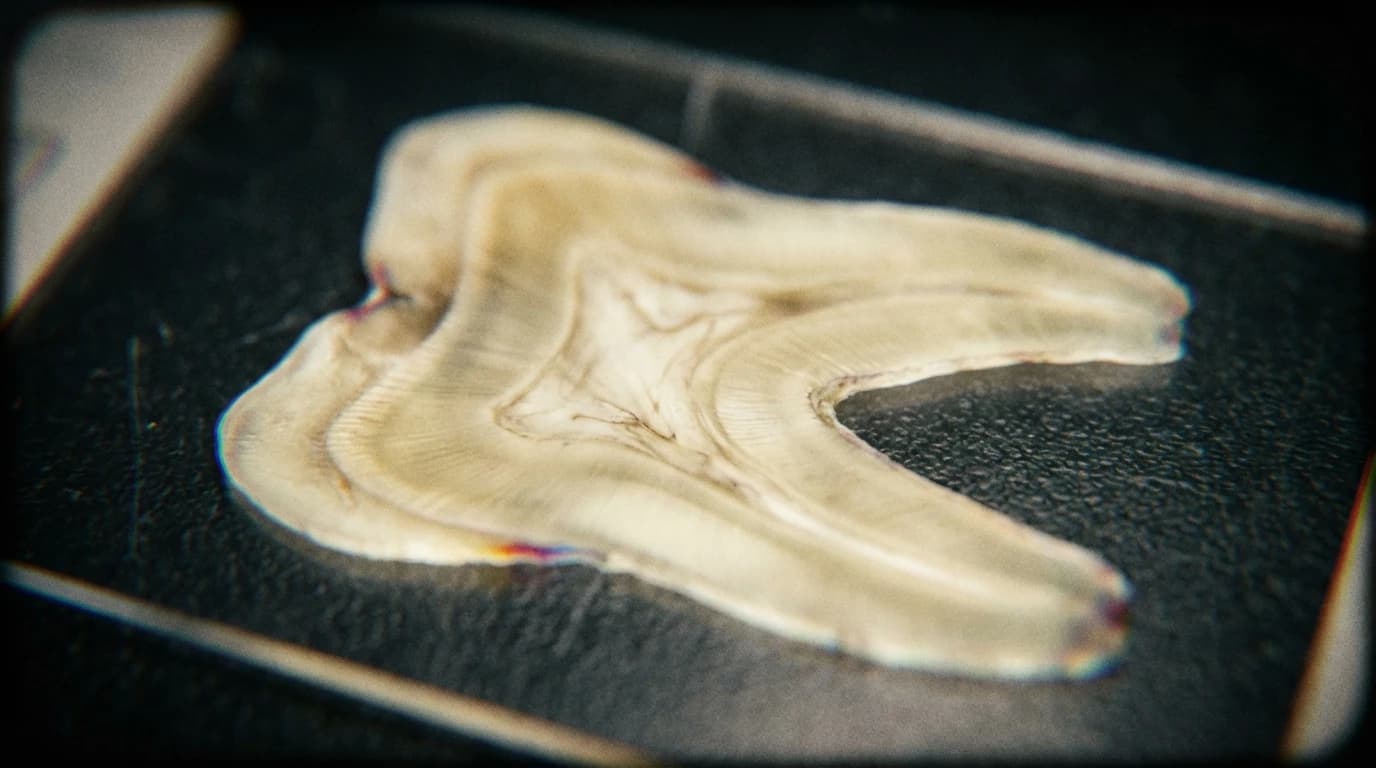
The Visual Bottleneck
Dentists currently rely on static, often noisy or low-resolution scans to navigate the microscopic root canal systems of teeth. This lack of visual clarity frequently causes missed canals and failed treatments.
A comprehensive new review suggests that generative AI in endodontics could finally break this visual bottleneck. Instead of merely identifying existing problems, new models can synthesise data to fill in the missing anatomical blanks.
Beyond Basic Detection: Generative AI in endodontics
Until recently, dental artificial intelligence focused almost entirely on discriminative tasks. Models were trained strictly to detect cavities or classify bone loss on existing X-rays.
Generative models operate differently. They learn the underlying patterns of dental anatomy to produce entirely new, highly realistic data samples. This shift moves technology from a passive diagnostic aid to an active participant in treatment planning.
Synthesising Better Scans
Researchers analysed literature up to July 2025 to evaluate how these vision models perform in dentistry. The review measured the technical feasibility of several specific imaging applications.
The study found that generative models successfully synthesise images to augment training datasets. This helps create educational materials for exceptionally rare dental pathologies that lack sufficient real-world examples.
Furthermore, the models demonstrated significant capabilities in image enhancement. The researchers noted improvements in:
- Super-resolution and denoising of standard dental scans.
- Artefact reduction from metal crowns or fillings.
- Modality conversion, such as transforming standard 2D radiographs into 3D reconstructions.
- Converting cone-beam computed tomography (CBCT) scans into representations resembling magnetic resonance imaging for better soft tissue visualisation.
The Next Decade of Dental Tech
So, what does this mean for the next five to ten years of dentistry? The immediate downstream effect could be a massive reduction in diagnostic errors. Enhanced scans make it easier to spot notoriously difficult structures, such as the second mesiobuccal canal in upper molars.
As the technology matures, it could fundamentally alter restorative workflows. Generative systems might soon drive computer-aided design for the final restoration of endodontically treated teeth. This means a single software ecosystem could guide the dentist from the initial 3D scan to the final printed crown.
Looking further ahead, these models may automate the design of customised surgical guides and predict long-term treatment outcomes. Dentists could simulate a procedure digitally before ever picking up a drill.
However, the review clearly distinguishes between technical success and clinical readiness. Most current data measures laboratory feasibility, while real-world clinical validation remains sparse.
If developers can bridge this gap, generative systems will likely become standard equipment in dental practices. This transition suggests a future where high-resolution, predictive dental care is accessible in almost any local clinic.