Fossil Find Confirms the Cambrian origin of Bryozoa
Source PublicationNature
Primary AuthorsSong, Zhang, Strotz et al.
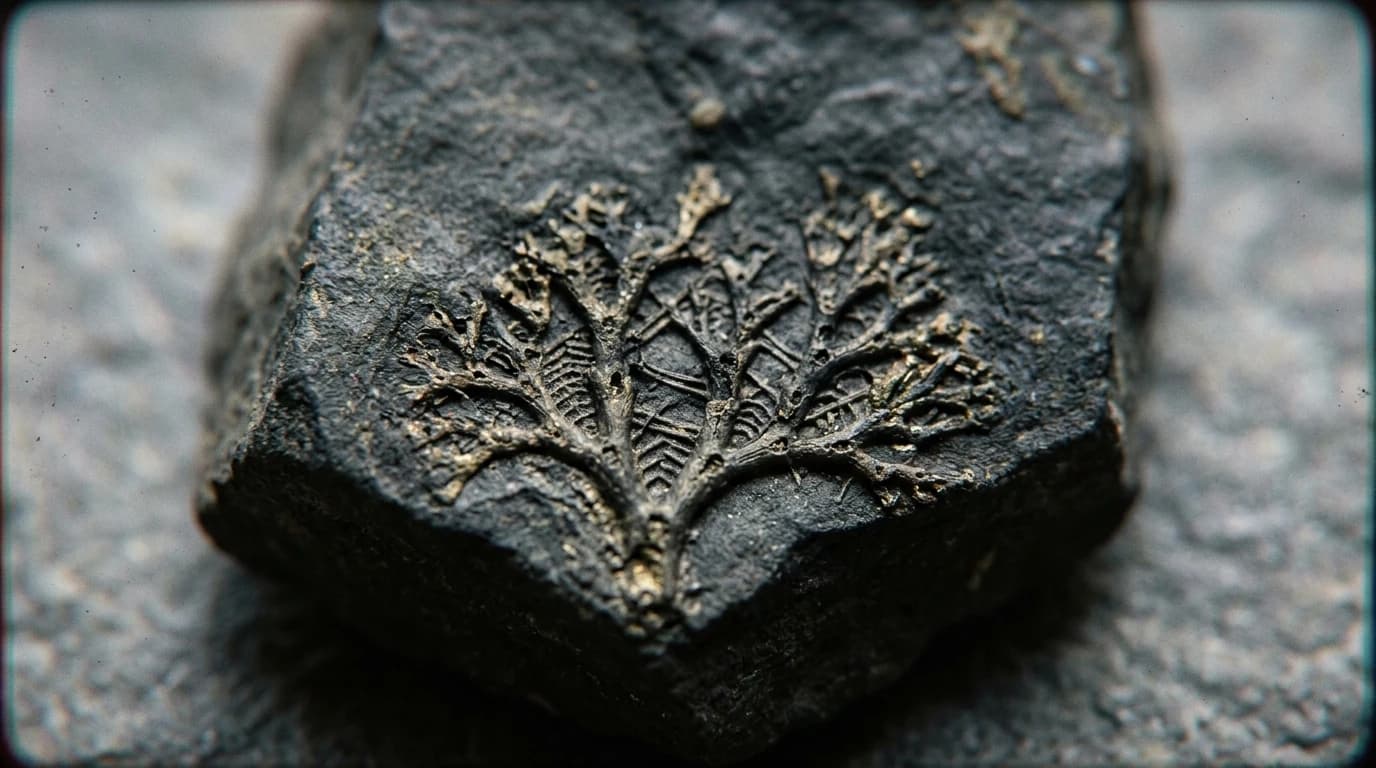
Imagine building a massive, modular apartment block, but leaving the original tenants off the registry. For decades, evolutionary biologists faced this exact puzzle with bryozoans—microscopic, colonial invertebrates that build mineralised shelters. Whilst almost every other major animal group crashed the evolutionary party during the Cambrian explosion 530 million years ago, bryozoans seemed to arrive fashionably late.
The Cambrian origin of Bryozoa Confirmed
This missing link puzzled researchers, as genetic clocks suggested they belonged to the early evolutionary rush. Now, researchers analysing exceptionally preserved fossils from the Xiannüdong Formation in China have found the smoking gun. They discovered specimens of Protomelission gatehousei and a new species, Dayingomelission hexaclitia, featuring fossilised soft tissues.
By analysing the fossilised remains, researchers identified several key colonial structures:
- Annular muscles
- Membranous sacs
- Ring septa
- Styles
A Deeper Evolutionary History
Based on these specific fossil finds from China, this suite of physical traits places the fossils firmly within the bryozoan group as crown stenolaemates. The study confirms the Cambrian origin of Bryozoa, proving they were active participants in the rapid diversification of early marine ecosystems. This early complexity suggests that the group's ancestral lineage may have originated even earlier in Earth's history than previously thought, pushing back our timeline of when animals first began organising themselves into cooperative colonies.