Floating Hazard: PVC Debris Accelerates the Spread of Superbug Genes
Source PublicationMarine Pollution Bulletin
Primary AuthorsSong, Ding, Ma et al.
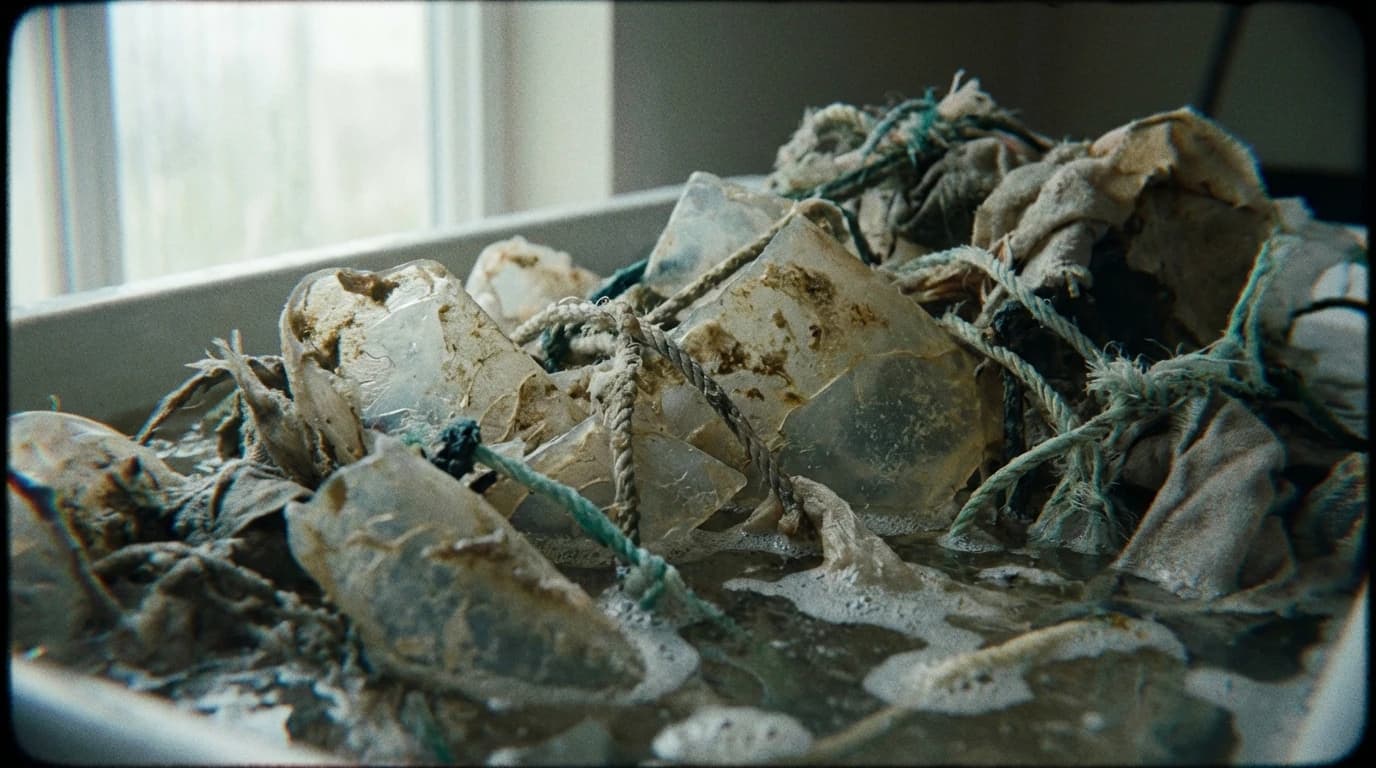
Microplastics are more than just physical pollution; they serve as breeding grounds for invisible threats in our waterways. A recent study investigating aquaculture environments has identified that specific types of plastic debris significantly boost the presence and transfer of antibiotic resistance genes (ARGs). These genes allow bacteria to survive drugs designed to kill them.
Researchers conducted in situ experiments comparing three common debris types: polyethylene (PE) from plastic bags, polyvinyl chloride (PVC) from aquaculture floating balls, and natural wood. While all debris types showed strong capabilities for enriching ARGs compared to the surrounding water, the artificial materials proved particularly problematic.
The relative abundance of these resistance genes peaked on PVC in the first week and on PE in the second, with both showing significantly higher levels than wood. Crucially, the team analysed mobile genetic elements (MGEs)—segments of DNA that allow resistance to jump between bacteria. The abundance of these elements coexisting with ARGs was strikingly higher on the plastic debris, indicating a substantial risk of horizontal gene transfer.
PVC emerged as the most concerning material. By the fourth week, it hosted the highest abundance of MGEs and human pathogenic bacteria (HPB), such as Aeromonas veronii and Pseudomonas alcaligenes. These findings suggest that the PVC floating balls commonly used in fish farming pose a distinctive ecological risk, acting as 'rafts' that concentrate and spread dangerous genetic traits.