EMS for Male Urinary Incontinence: Accelerated Recovery Versus Long-Term Parity
Source PublicationCanadian Urological Association Journal
Primary AuthorsWong, Welk
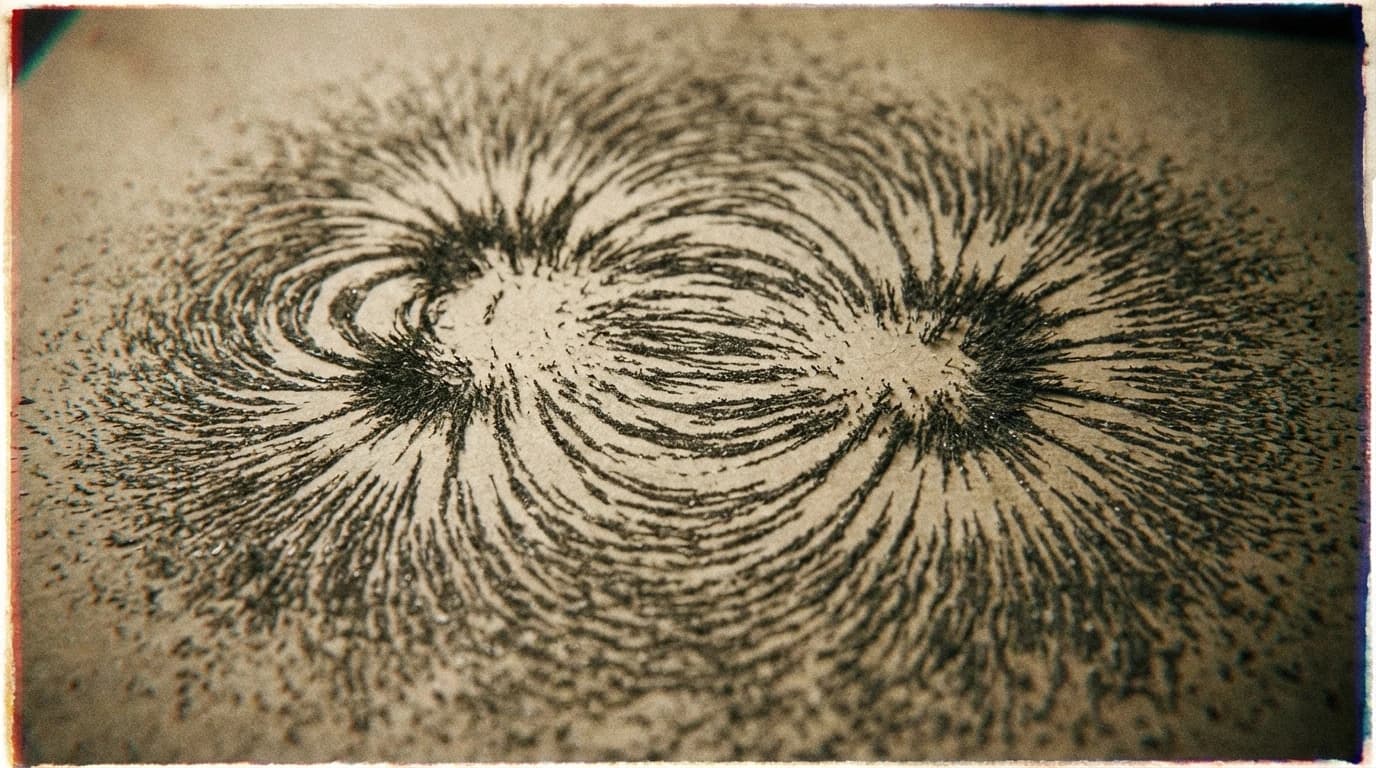
The latest systematic review posits that Extracorporeal Magnetic Stimulation (EMS) significantly accelerates the return to continence in men, particularly following prostate surgery. Historically, the management of male incontinence has been a slow, arduous slog, relying almost exclusively on the patient's ability to perform repetitive, voluntary pelvic floor contractions correctly without immediate feedback.
The Evidence for EMS for Male Urinary Incontinence
This analysis scrutinised nine studies involving 181 patients to evaluate the efficacy of EMS for male urinary incontinence. The data, pulled from databases including MEDLINE and PEDro, focuses heavily on post-prostatectomy patients. While the sample sizes in the included randomised controlled trials (RCTs) remain small—ranging from just 16 to 36 participants—the signal within the noise points towards a specific benefit: speed. Researchers observed that men receiving magnetic stimulation achieved dryness earlier than those assigned to standard care or sham treatments.
To understand the divergence in efficacy, one must examine the technical contrast between passive magnetic induction and active voluntary contraction. Traditional Pelvic Floor Muscle Therapy (PFMT) relies on the patient's neural drive to engage the levator ani muscles; success is contingent on technique, proprioception, and sustained effort. Conversely, EMS bypasses the brain-to-muscle pathway entirely. It utilises a pulsed magnetic field to induce depolarisation of the nerve roots and muscle fibres directly. This creates a supramaximal contraction that does not suffer from fatigue-induced form breakdown or the common inability of patients to isolate the correct muscle group. Where PFMT requires a learned skill, EMS imposes a physiological reaction.
The review measured tangible outcomes: one study recorded a 48 per cent reduction in pad usage over 24 hours, while others noted significant improvements in urodynamic profiles. However, the data suggests that this advantage is temporal rather than absolute. While EMS recipients achieved dryness sooner, the long-term finish line appears identical. At the 12-month mark, men performing traditional exercises caught up to those treated with magnetic stimulation, resulting in similar continence rates. All studies using validated quality-of-life measures reported significant improvements, yet the superiority of the magnet fades as time progresses.
Skepticism is warranted regarding the robustness of these findings. With only four RCTs of 'fair to good' quality and a total pool of fewer than 200 men, the statistical power is underwhelming. The evidence supports EMS as an accelerator, not necessarily a superior cure. Until larger cohorts are examined, it remains a useful adjunct for early recovery rather than a complete replacement for standard therapy.