Deep Learning Unlocks Secrets Hidden in Human Skulls
Source PublicationScientific Reports
Primary AuthorsSevinc, Mehrubeoglu, Yılmaz et al.
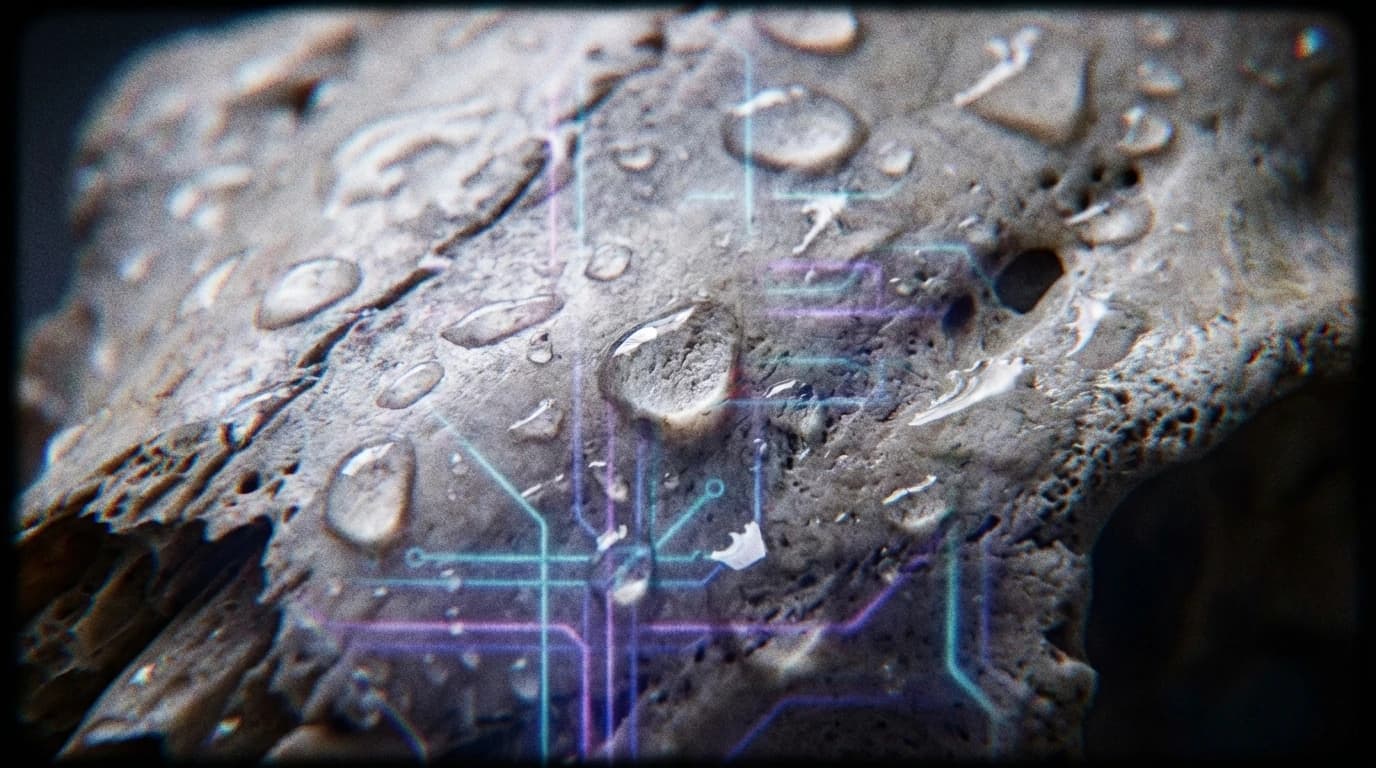
Forensic identification plays a crucial role in anthropology, relying on the careful analysis of human skulls to determine vital characteristics like sex and ancestry. Unidentified remains present a complex puzzle, but a new study suggests that deep learning—advanced artificial intelligence that powers computer vision and pattern recognition—may provide the solution. The research demonstrates how automated systems can now assist experts in these delicate classification tasks.
To test this potential, researchers utilised skull images extracted from Digital Imaging and Communications in Medicine (DICOM) files, sourced from the New Mexico Decedent Image Database (NMDID). They conducted a comprehensive evaluation of various established deep learning models, including VGG-16, ResNet50, DenseNet, MobileNet, InceptionV3, EfficientNet, and AlexNet. Additionally, the team developed a custom convolutional neural network (CNN) and a specialised Siamese Neural Network to see which architecture could best interpret the biological data.
The findings marked a significant step forward for digital forensics. The proposed Siamese Neural Network proved to be the most effective tool, achieving a high accuracy rate of 85.33% in detecting identification traits. According to the study, this performance successfully outperforms other state-of-the-art methods currently found in scientific literature. By harnessing these powerful computational tools, forensic anthropologists may soon have a more reliable ally in the effort to identify the unknown.