Decoding the Secret Map: New Data on Chinese Pangolin Spatial Ecology
Source PublicationSpringer Science and Business Media LLC
Primary AuthorsSun, Lin, Ge et al.
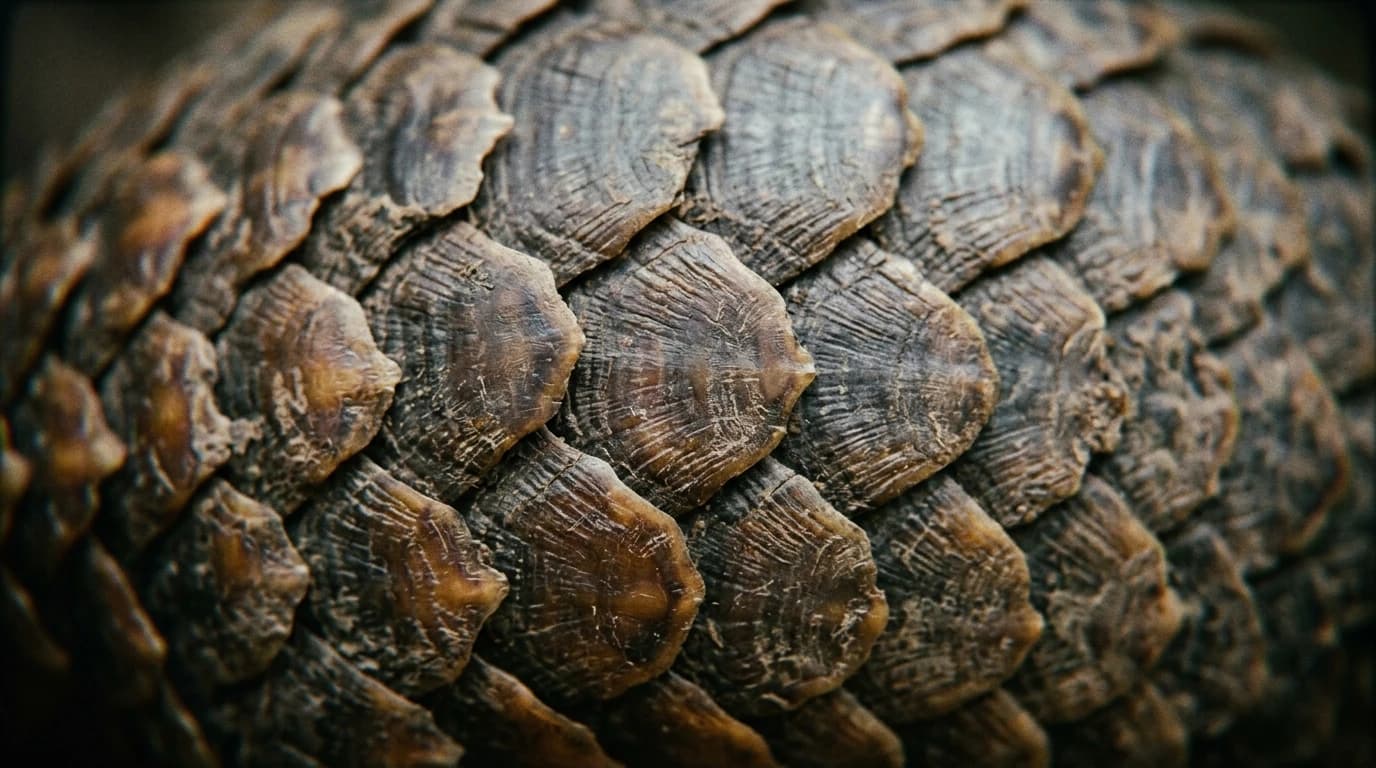
The Scale of Chinese Pangolin Spatial Ecology
Imagine trying to track a celebrity who only leaves their mansion at 3 AM and never uses the same exit twice. That is the challenge of studying the Chinese pangolin, a shy, scaly insect-eater that spends most of its life in deep burrows. Because they are so elusive, conservationists often work with incomplete data.
This early-stage research, currently a preprint awaiting peer review, suggests our previous assumptions about their home life might be off-target. By tracking 29 adults in Taiwan over seven years, scientists have built a high-resolution map of their habits.
Mapping the Chinese Pangolin Spatial Ecology
The preliminary data reveals a massive gap between the sexes. The study measured distinct movement patterns that define how these animals use their environment:
- Adult males roam across roughly 117 hectares, nearly five times the area of females.
- Females stick to much smaller patches of about 25 hectares.
- One male’s territory often overlaps with several females, suggesting a polygynous mating system.
The researchers also noted that signal shielding increased during the dry season. This indicates the animals likely spend more time deep underground to conserve energy or breed when the weather turns harsh.
Rethinking Conservation Models
These findings suggest that short-term monitoring often fails to capture the full picture. It can take over 500 days of tracking to accurately measure a male's territory, meaning brief studies likely underestimate their needs.
This suggests that camera traps might miss vital data if they do not account for seasonal shifts in activity. To organise successful reintroduction programmes, we must recognise that these animals require significant space to thrive. Future conservation strategies may need to adjust for these long-term movement cycles.