Cyanotype in Science Education: Reclaiming the Physical in a Postdigital World
Source PublicationSpringer Science and Business Media LLC
Primary AuthorsCamero-Arranz, Mohamed-Rodríguez
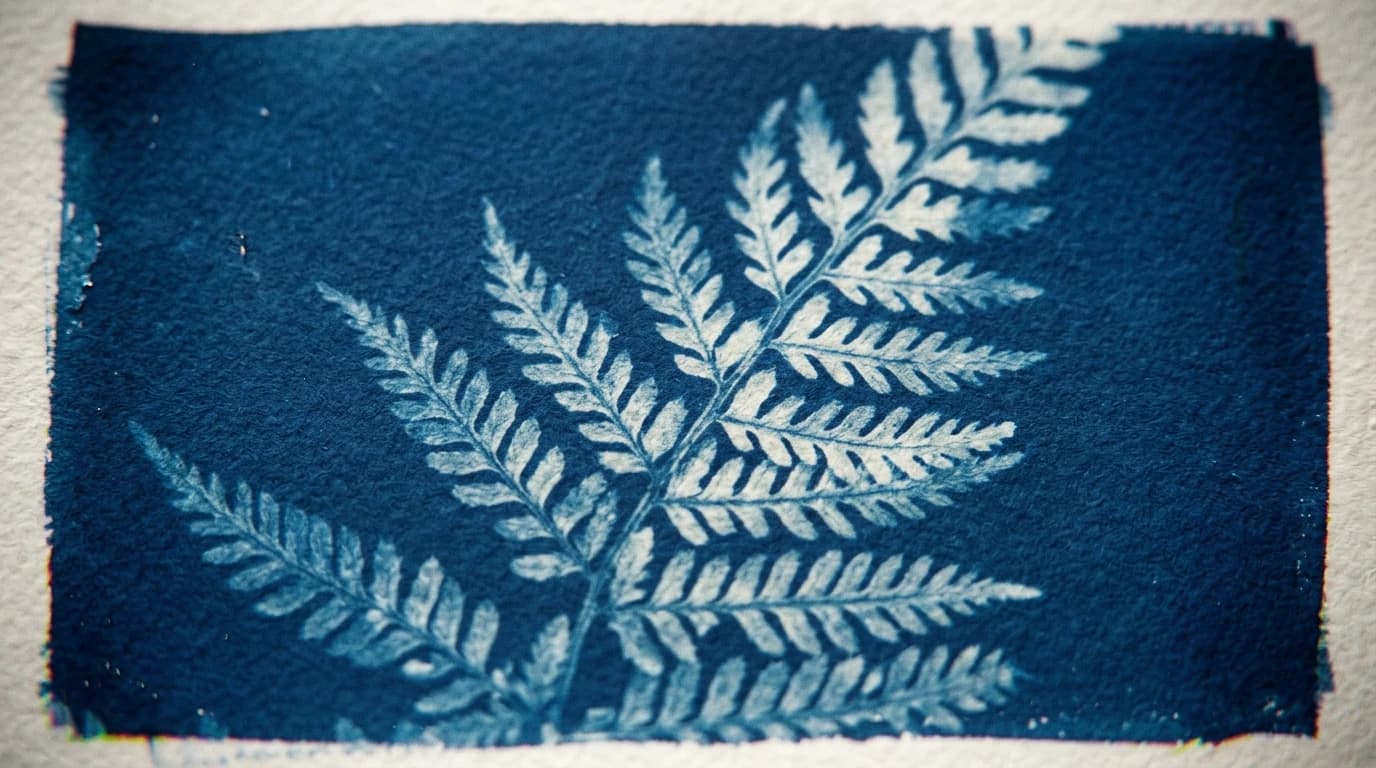
Cyanotype in Science Education: A Tactical Shift
Traditional science curricula often struggle to make abstract chemical reactions tangible, leading to student disengagement in an increasingly digital world. This early-stage investigation into postdigital ArtScience suggests that a 19th-century photographic process could be a vital tool for modern educational friction. While the study is limited to a single-case scope (n=41), the results point toward a significant shift in how students internalise molecular changes.
Note: This article is based on a preprint. The research has not yet been peer-reviewed and results should be interpreted as preliminary.
Researchers integrated cyanotype workshops into Year 9 Physics and Chemistry classes. Students interacted with UV-sensitive iron solutions and local flora to observe redox processes first-hand. The study measured an 85.4% conceptual mastery of photochemical reactions and an 82.9% spike in classroom engagement, alongside an 80.5% improvement in chemical comprehension.
The data suggests that physical, material-based inquiry improves comprehension by allowing students to see invisible energy shifts through immediate colour changes. The 95% proficiency rate in material handling indicates that this method is highly accessible for standard classrooms, providing a tactile counterpoint to screen-based learning.
Downstream Applications and Future Outlook
The trajectory of this research suggests a pathway for schools to reframe STEM subjects through 'hybrid literacies' that combine historical narratives, local ecology, and molecular physics. By moving beyond digital simulations, educators can foster a more embodied scientific identity.
- Low-cost lab alternatives for schools with limited funding for expensive equipment.
- Integration of local biodiversity and conservation into core chemistry modules.
- Sustained ecological awareness through the creation of permanent, visual botanical records.
As digital saturation increases, these tactile methods offer a compelling framework for teaching complex molecular transformations. This research suggests that the future of science literacy may depend on returning to the physical world to document the invisible, making the abstract authentically observable.